Explore Our Range of Polished Concrete Kitchen Designs – Australia

Welcome to Australian Flooring Group Pty Ltd, where you can explore our wide range of polished concrete kitchen designs in Australia. Our selection of polished concrete floors is perfect for busy kitchens, offering durability, easy maintenance, and resistance to stains. With Dulux Avista decorative concrete, we provide various design possibilities, from the calming natural stone look to bold terrazzo or classic polished concrete.

Polished concrete is not only stylish but also hygienic and low-maintenance. It is an eco-friendly choice that suits different kitchen environments, including commercial kitchens, restaurant kitchens, and residential kitchens. The cost of kitchen concrete flooring can vary based on factors such as kitchen size, preparation work, design and finishes, and installation method.

One of the advantages of polished concrete floors is their slip-resistance, making them safe for kitchen areas. They can handle the weight and impact of heavy appliances or furniture, and using protective pads or coasters can prevent scratching or indentations. The installation process may take a few days to a couple of weeks, depending on the project’s specifics.

At Australian Flooring Group Pty Ltd, we offer a wide selection of polished concrete flooring options in our West Footscray showroom. Our services extend throughout Melbourne, including the Mornington Peninsula and Geelong. Explore our range today and transform your kitchen with the beauty and practicality of polished concrete.

Key Takeaways:

  • Polished concrete floors are durable, easy to clean, and resistant to stains.
  • Dulux Avista decorative concrete offers a variety of design options for concrete kitchen floors.
  • Polished concrete is hygienic, low-maintenance, and eco-friendly.
  • It is suitable for commercial kitchens, restaurant kitchens, and residential kitchens.
  • The cost of kitchen concrete flooring can vary based on several factors.

The Benefits of DIY Polished Concrete

DIY polished concrete offers numerous benefits for your kitchen design, from the versatility of different concrete polishing techniques to the satisfaction of creating a unique look yourself. With our range of Dulux Avista decorative concrete, you can achieve the perfect polished concrete finish that suits your style and preferences.

One of the main advantages of choosing DIY polished concrete is the ability to customize the design. You have full control over the color, pattern, and level of polish, allowing you to create a truly personalized kitchen floor. Whether you prefer a calming natural stone look, a bold terrazzo design, or a classic polished concrete finish, the possibilities are endless.

In addition to its aesthetic appeal, polished concrete is also a practical choice for busy kitchens. It is highly durable and resistant to stains, making it easy to clean and maintain. Unlike other flooring options, polished concrete does not require regular waxing or sealing, saving you both time and money in the long run.

Furthermore, DIY polished concrete is an eco-friendly option. By using existing concrete surfaces and avoiding the need for additional materials, you contribute to sustainability efforts and reduce waste. This makes it a responsible choice for homeowners who prioritize environmental consciousness.

Discover the benefits of DIY polished concrete for your kitchen design today. Visit our West Footscray showroom to explore our range of polished concrete flooring options. Our services extend throughout Melbourne, including the Mornington Peninsula and Geelong, ensuring that you have access to high-quality materials and expert advice for your kitchen renovation project.

Durable and Easy to Clean Polished Concrete Floors

When it comes to kitchen flooring, polished concrete floors are a top choice due to their remarkable durability and effortless cleaning. Polished concrete kitchen floors offer a sleek and modern aesthetic while also providing a practical and long-lasting solution for high-traffic areas. With their polished finish, these floors are resistant to stains, making them ideal for busy kitchens where spills and messes are a common occurrence.

With Dulux Avista decorative concrete, you can achieve various design possibilities for your kitchen floors. Whether you prefer a calming natural stone look, a bold terrazzo pattern, or a classic polished concrete finish, our range of options will cater to your style and enhance the overall aesthetics of your kitchen.

Polished concrete floors not only deliver on style and durability but also offer ease of maintenance. Unlike other flooring options, such as tiles or wood, polished concrete is exceptionally low-maintenance. Regular sweeping and occasional mopping are all that is needed to keep your floors looking pristine. The non-porous nature of polished concrete prevents the absorption of liquids, reducing the risk of stains and making spills easy to clean up.

Benefits of Polished Concrete Floors
Highly durable, resistant to wear and tear
Easy to clean and maintain
Stain-resistant and non-porous
Wide range of design options
Long-lasting and cost-effective

Whether you have a commercial kitchen, a bustling restaurant, or a residential kitchen, polished concrete floors are a versatile choice. They can withstand the heavy foot traffic and impact of appliances or furniture, making them a practical and reliable flooring solution. Additionally, polished concrete is hygienic, as its smooth surface prevents the accumulation of dust, allergens, and bacteria, ensuring a clean and safe environment for food preparation.

At our West Footscray showroom, we offer a wide selection of polished concrete flooring options to suit your specific needs. Our services extend throughout Melbourne, including the Mornington Peninsula and Geelong, ensuring that you can find the perfect polished concrete floors for your kitchen design.

Stylish Design Options for Concrete Kitchen Floors

Get ready to transform your kitchen with our stylish polished concrete design options, including stunning countertops and eye-catching driveways. At [Our Company Name], we offer a range of design possibilities for concrete kitchen floors using Dulux Avista decorative concrete. Whether you prefer a calming natural stone look, a bold terrazzo design, or the classic elegance of polished concrete, we have the perfect solution for your kitchen.

With our polished concrete countertops, you can create a sleek and modern aesthetic that complements any kitchen style. The smooth surface and unique patterns of polished concrete add a touch of sophistication to your kitchen, making it a focal point for both functionality and design. Our countertops are not only visually appealing but also highly durable, providing a long-lasting solution for your kitchen needs.

For those looking to make a statement, our polished concrete driveways are the perfect choice. The striking visual impact of a polished concrete driveway adds curb appeal and sets your home apart from the rest. With a range of design options available, including different colors and textures, you can customize your driveway to match your personal style and create a welcoming entrance to your home.

Table: Comparison of Design Options for Concrete Kitchen Floors

Design OptionFeaturesBenefits
Calming Natural Stone LookSmooth and seamless surfaceCreates a serene ambiance in the kitchen
Bold TerrazzoMixed with decorative aggregatesAdds a touch of vibrancy and character to the kitchen
Classic Polished ConcreteHigh-gloss finishEnhances the overall elegance and sophistication of the kitchen

With our range of polished concrete design options, you can elevate the look and feel of your kitchen while enjoying the durability, low maintenance, and eco-friendly benefits that concrete flooring offers. Visit our West Footscray showroom to explore our extensive collection of polished concrete flooring options, or contact us to discuss your specific design requirements. We proudly serve Melbourne, including the Mornington Peninsula and Geelong, providing top-quality products and exceptional customer service.

Hygienic and Low-Maintenance Polished Concrete

Say goodbye to tedious cleaning routines and hello to hygienic and low-maintenance polished concrete in your kitchen. Our range of polished concrete kitchen designs in Australia offers a practical solution for busy kitchens that require minimal upkeep. Polished concrete floors are not only durable and resistant to stains, but they also provide a sleek and modern aesthetic.

With our Dulux Avista decorative concrete options, you can achieve various design possibilities for your kitchen floors. Whether you prefer a calming natural stone look, a bold terrazzo pattern, or the timeless elegance of polished concrete, there is a style to suit your taste and kitchen decor.

Benefits of Polished Concrete

  • Hygienic: Polished concrete is non-porous, making it resistant to bacteria growth and easy to clean. Say goodbye to worries about spills and stains in your kitchen as a simple wipe-down will keep your floors looking pristine.
  • Low-Maintenance: Unlike other flooring options, polished concrete requires minimal maintenance. No need to spend your valuable time on constant upkeep or expensive cleaning products. A regular sweep or mop is all you need to maintain its luster.
  • Eco-Friendly: Choosing polished concrete for your kitchen floors is an eco-conscious decision. It eliminates the need for additional flooring materials, such as carpets or tiles, reducing waste and contributing to a sustainable environment.

Our polished concrete solutions are suitable for various kitchen environments, including commercial kitchens, restaurant kitchens, and residential kitchens. The versatility of different concrete polishing techniques allows us to meet the specific requirements of any kitchen space.

When it comes to the cost of kitchen concrete flooring, several factors influence the overall expense. These include the size of your kitchen, the amount of preparation work required, the chosen design and finishes, as well as the installation method. Our experienced team can provide an accurate cost estimate tailored to your unique project.

Benefits of Polished ConcreteLow-MaintenanceHygienicEco-Friendly
Easy to clean with a simple wipe-downRequires minimal maintenanceNon-porous surface resists bacteria growthEliminates the need for additional flooring materials
Durable and resistant to stainsSaves time and money on cleaning productsContributes to a sustainable environment

Rest assured, polished concrete floors are not generally considered to be slippery in kitchen areas. They can withstand the weight and impact of heavy appliances or furniture without compromising their functionality or aesthetics. To further protect your polished concrete floors, using protective pads or coasters underneath furniture legs can help prevent scratching or indentations.

The installation process for polished concrete kitchen floors can vary depending on the specifics of your project. It typically takes a few days to a couple of weeks from start to finish. Our expert team ensures a seamless installation, delivering high-quality results that will exceed your expectations.

Visit our West Footscray showroom to explore our range of polished concrete flooring options. We proudly serve customers throughout Melbourne, including the Mornington Peninsula and Geelong. Enhance your kitchen design with the beauty and functionality of polished concrete today.

Suitable for Various Kitchen Environments

Whether you have a bustling restaurant kitchen or a cozy residential kitchen, our polished concrete is suitable for a range of kitchen environments. With its durability, easy maintenance, and hygienic properties, polished concrete floors are a popular choice for busy kitchens in Australia. They are resistant to stains and can withstand the weight and impact of heavy appliances or furniture, making them a practical and long-lasting flooring option.

At Our Concrete Design Studio, we offer a range of polished concrete finishes using Dulux Avista decorative concrete. Our selection includes options for a calming natural stone look, bold terrazzo, or classic polished concrete, providing you with versatile design possibilities for your kitchen floors. Whether you prefer a modern, sleek aesthetic or a more traditional style, we have the right polished concrete solution to enhance your kitchen’s overall look and feel.

Not only are our polished concrete floors visually appealing, but they are also eco-friendly. By choosing polished concrete, you are making a sustainable choice for your kitchen flooring. Additionally, our polished concrete is low-maintenance, requiring minimal upkeep to keep it looking its best. This makes it a practical and time-saving option for busy kitchen environments, whether it be in a commercial establishment or a residential home.

Polished Concrete Options for Kitchen Environments

Finish TypeAppearanceBenefits
Natural Stone LookA calming and organic aestheticHighly durable and easy to clean
TerrazzoBold and eye-catching patternsResistant to stains and scratches
Classic Polished ConcreteSleek and timeless eleganceLow-maintenance and eco-friendly

Visit our West Footscray showroom to explore our range of polished concrete kitchen designs, or reach out to us for more information. We proudly serve Melbourne, including the Mornington Peninsula and Geelong, offering exceptional craftsmanship and quality in every project we undertake. Let us help you create a stunning and functional kitchen space with our range of polished concrete flooring options.

Factors Affecting the Cost of Kitchen Concrete Flooring

The cost of your kitchen concrete flooring can vary depending on several factors, including kitchen size, preparation work, design and finishes, and the chosen installation method. To help you understand the cost implications, we’ve outlined these factors below:

Kitchen Size:

One of the primary factors influencing the cost of your concrete flooring is the size of your kitchen. Larger kitchens will require more materials and labor, resulting in higher costs. Smaller kitchens, on the other hand, will generally have lower overall costs for the flooring project.

Preparation Work:

Before the installation of your concrete flooring, there may be necessary preparation work involved. This can include removing existing flooring, leveling the subfloor, or repairing any cracks or imperfections. Depending on the complexity and extent of preparation required, additional costs may be incurred.

Design and Finishes:

The design and finishes you choose for your kitchen concrete flooring will also impact the cost. Different decorative options, such as patterns, colors, or textures, may come at an extra cost. Additionally, if you opt for additional finishes like a glossy or matte sealant, these will also contribute to the overall cost.

Installation Method:

The chosen installation method for your kitchen concrete flooring will play a significant role in determining the cost. Different installation techniques, such as pouring on-site or using precast concrete slabs, will vary in terms of materials, labor, and time required. Each method has its own cost implications, so it’s important to discuss your options with a professional.

In conclusion, the cost of your kitchen concrete flooring project will depend on several factors, including kitchen size, preparation work, design and finishes, and the chosen installation method. By considering these factors and working with a professional, you can achieve a beautiful and durable concrete floor that suits your budget and enhances your kitchen’s aesthetic appeal.

Safety and Maintenance Tips for Polished Concrete Kitchen Floors

Ensure the safety and longevity of your polished concrete kitchen floors with our helpful tips and advice, covering everything from slip resistance to protective measures. Polished concrete floors are a popular choice for busy kitchens in Australia due to their durability and ease of maintenance. To keep your floors looking their best, follow these essential tips:

  1. Prevent slips and falls: While polished concrete floors are not generally considered to be slippery, it’s essential to maintain proper slip resistance. Regularly clean the floors to remove any spills or residue that could cause a slippery surface. Additionally, consider adding rugs or non-slip mats in high-traffic areas for added safety.
  2. Protect against scratches and indentations: Polished concrete is known for its resilience, but it’s still important to take precautions to prevent scratches or indentations. Place felt pads or coasters under heavy appliances or furniture to protect the floor from potential damage. Avoid dragging furniture across the floor, as this can cause scratches.
  3. Regular cleaning and maintenance: To keep your polished concrete floors looking their best, make sure to clean them regularly. Remove any loose dirt or debris with a soft broom or vacuum cleaner. Use a pH-neutral cleaner specifically designed for polished concrete to mop the floors, and avoid using abrasive cleaners or harsh chemicals that can damage the surface.

In addition to these tips, it’s recommended to schedule periodic professional maintenance to restore the floor’s shine and address any wear and tear. By following these safety and maintenance guidelines, you can enjoy the beauty and durability of polished concrete in your kitchen for years to come.

Summary of Safety and Maintenance Tips for Polished Concrete Kitchen Floors:

TipsDescription
Prevent slips and fallsRegularly clean the floors to maintain slip resistance and consider adding rugs or non-slip mats in high-traffic areas.
Protect against scratches and indentationsPlace felt pads or coasters under heavy appliances or furniture to prevent damage from scratches or indentations.
Regular cleaning and maintenanceUse a pH-neutral cleaner to mop the floors and schedule periodic professional maintenance to restore the shine and address wear and tear.

By following these safety and maintenance tips, you can ensure the longevity and beauty of your polished concrete kitchen floors. For more information and a wide range of polished concrete flooring options, visit our West Footscray showroom or contact us. Our services extend throughout Melbourne, including the Mornington Peninsula and Geelong.

Conclusion

Discover the limitless possibilities of DIY polished concrete for your kitchen design and explore our range of options today at Australian Flooring Group Pty Ltd. Polished concrete floors are a popular choice for busy kitchens in Australia. They are not only durable and easy to clean but also resistant to stains, making them a practical and stylish flooring option. With Dulux Avista decorative concrete, you can create a calming natural stone look, bold terrazzo design, or classic polished concrete finish for your kitchen.

In addition to their aesthetic appeal, polished concrete floors are also hygienic, low-maintenance, and eco-friendly. They are suitable for various kitchen environments, including commercial kitchens, restaurant kitchens, and residential kitchens. The cost of kitchen concrete flooring can vary based on factors such as kitchen size, preparation work, design and finishes, and installation method.

When it comes to safety and maintenance, polished concrete floors are not generally considered to be slippery in kitchen areas. They can withstand the weight and impact of heavy appliances or furniture. To protect your floors from scratching or indentations, you can use protective pads or coasters. The installation process for polished concrete kitchen floors can take a few days to a couple of weeks, depending on the project’s specifics.

Explore our range of polished concrete kitchen designs at our West Footscray showroom, serving Melbourne, the Mornington Peninsula, and Geelong. Enhance your kitchen with the beauty and functionality of DIY polished concrete floors.

FAQ

Q: Are polished concrete floors suitable for kitchen areas?

A: Yes, polished concrete floors are a popular choice for kitchens as they are durable, easy to clean, and resistant to stains.

Q: What design options are available for concrete kitchen floors?

A: Dulux Avista decorative concrete offers a range of design possibilities, including a calming natural stone look, bold terrazzo, or classic polished concrete.

Q: Is polished concrete hygienic and low-maintenance?

A: Yes, polished concrete is hygienic, low-maintenance, and eco-friendly, making it ideal for busy kitchen environments.

Q: Can polished concrete withstand heavy appliances or furniture?

A: Yes, polished concrete floors can withstand the weight and impact of heavy appliances or furniture. Protective pads or coasters can be used to prevent scratching or indentations.

Q: How long does the installation process for polished concrete kitchen floors take?

A: The installation process can take a few days to a couple of weeks, depending on the project’s specifics.

Q: Where can I find polished concrete flooring options in Australia?

A: Our West Footscray showroom offers a range of polished concrete flooring options, and our services extend throughout Melbourne, including the Mornington Peninsula and Geelong.
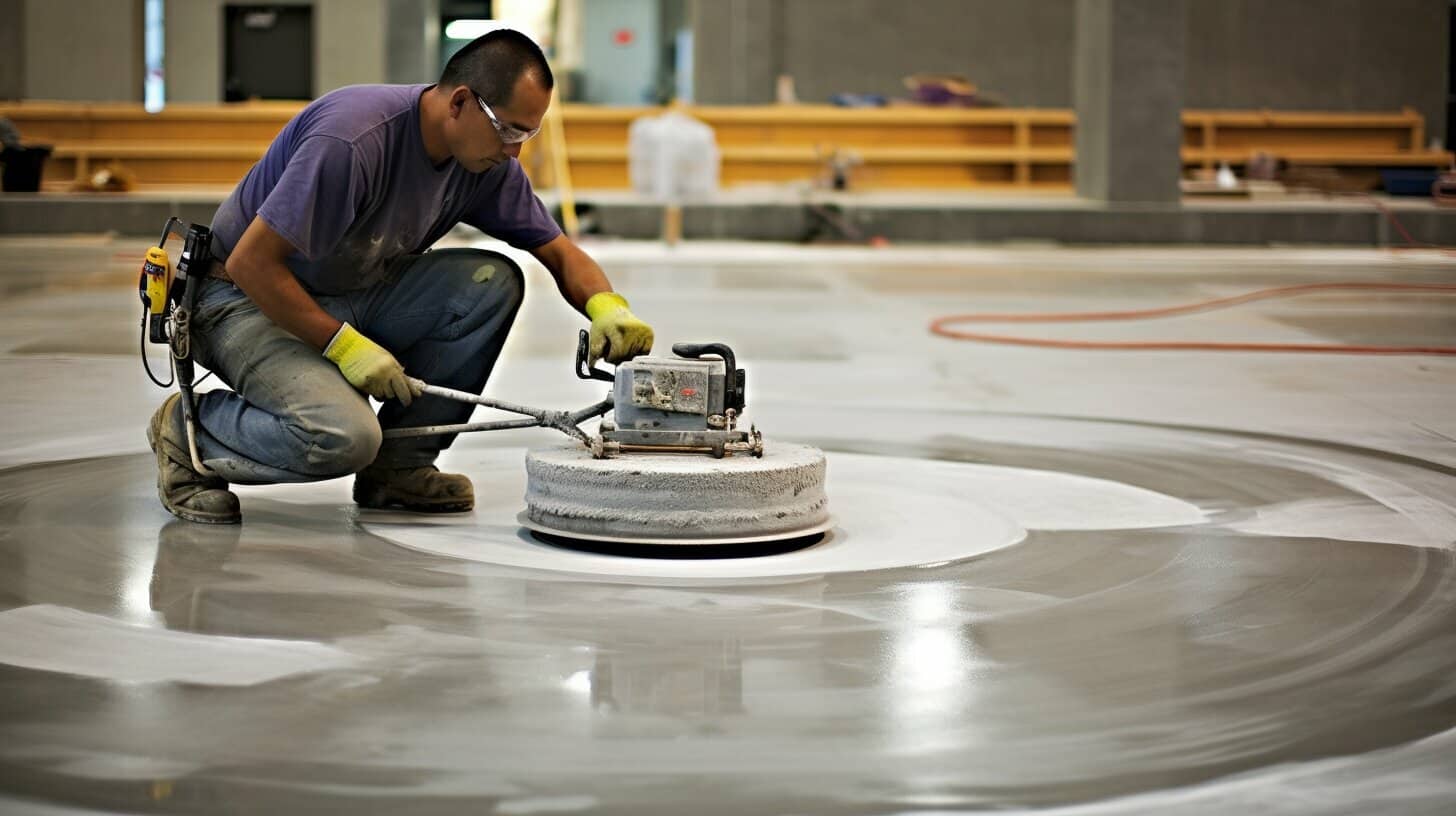
How Long Does It Take to Polish Concrete? Your Australian Guide.

Wondering how long it takes to polish concrete in Australia? Look no further, as we provide the answers you need.

Factual data: Polishing concrete is a process that involves grinding the surface of the concrete and applying various abrasives to achieve a smooth and glossy finish. The time it takes to polish concrete depends on various factors such as the size of the area, the condition of the concrete, and the desired level of polish.

The process typically starts with removing any surface finishes and filling any chips or holes in the concrete. This is done using a coarse diamond pad and patching compound.

Next, multiple passes are made with increasingly finer diamond pads to achieve the desired level of polish. The process can include up to six passes with different grit levels, starting from 30 grit and finishing with 3,000 grit.

Once the polishing is complete, the dust is vacuumed away, and the surface is wiped down with a dry cloth. A coat of sealer is then applied to protect the concrete and enhance its reflective properties.

The overall time required for polishing will depend on the size of the area and the complexity of the project. It is important to seek advice from professionals and consider practicality when deciding on the level of polish needed for a specific space.

Polished concrete is a durable, low-maintenance flooring option that can add a stylish and sleek look to any space. By following the proper process and seeking expert guidance, achieving a polished concrete floor is achievable for any DIY project.

Key Takeaways:

  • The time it takes to polish concrete varies depending on factors such as size, condition, and desired level of polish.
  • The process involves multiple passes with increasingly finer diamond pads.
  • Surface preparation, such as removing finishes and filling chips or holes, is an important initial step.
  • Cleaning and sealing the polished concrete surface are crucial for protection and enhanced appearance.
  • Seeking professional advice and considering practicality are essential for successful concrete polishing projects.

Factors Affecting Concrete Polishing Time

The duration of concrete polishing can vary based on several factors that need to be considered for a successful project. These factors can include the size of the area, the condition of the concrete, and the desired level of polish. Understanding these factors will help determine the time frame required for concrete floor polishing.

When assessing the size of the area, it’s important to consider both the square footage and the layout. Larger areas will naturally take more time to polish compared to smaller spaces. Additionally, complex layouts or areas with obstacles such as corners or columns may require more time for thorough polishing.

The condition of the concrete surface also affects the polishing time. If the concrete is in good condition, with minimal cracks or imperfections, the polishing process may proceed more efficiently. However, if the concrete has extensive damage or requires repairs, additional time will be needed to address these issues before proceeding with the polishing.

The desired level of polish is another crucial factor. The level of gloss or shine desired impacts the number of grinding and polishing stages required. Achieving higher levels of polish may take longer as it involves using finer grits and multiple passes to achieve the desired outcome.

FactorsAverage Time Frame
Size of the areaVaries based on square footage and layout complexity
Condition of the concreteVaries based on the extent of damage and repairs needed
Desired level of polishVaries based on the number of grinding and polishing stages required

It’s important to consult with professionals to assess these factors and determine the appropriate time frame for your specific project. Their expertise will ensure that the concrete polishing process is carried out effectively and efficiently, resulting in a polished floor that meets your expectations.

The Concrete Polishing Process

To achieve a perfectly polished concrete floor, it’s important to understand the step-by-step process involved. Polishing concrete is a meticulous process that requires careful attention to detail. Below, we outline the key stages of the concrete polishing process, from surface preparation to the final touches.

1. Surface Preparation

The first stage of the concrete polishing process is surface preparation. This involves removing any existing surface finishes, such as paint or sealers, and addressing any imperfections in the concrete, such as cracks, chips, or holes. A coarse diamond pad is used to grind away the old finishes, and a patching compound is applied to fill in any imperfections. This step ensures a smooth and even base for the polishing process.

2. Grinding and Polishing

After the surface has been properly prepared, the grinding and polishing stages begin. Multiple passes are made with increasingly finer diamond pads to achieve the desired level of polish. The process typically includes six passes with different grit levels, starting from 30 grit and finishing with 3,000 grit. Each pass gradually smooths out imperfections and brings out the natural beauty of the concrete. This process requires precision and expertise to ensure a uniform and flawless result.

3. Cleaning and Finalizing

Once the desired level of polish has been achieved, it’s time to clean and finalize the polished concrete surface. All dust and debris created during the grinding and polishing stages are carefully removed using a vacuum. The surface is then wiped down with a dry cloth to remove any remaining residue. To protect the concrete and enhance its reflective properties, a coat of sealer is applied. This final step brings out the shine and provides long-lasting durability to the polished concrete floor.

The overall time required for the polishing process will vary depending on factors such as the size of the area and the complexity of the project. It’s essential to seek advice from professionals and consider practicality when determining the level of polish needed for a specific space. By following the proper process and seeking expert guidance, achieving a polished concrete floor is attainable for any DIY project.

Preparing the Concrete Surface

Before starting the concrete polishing process, proper preparation of the surface is crucial for optimal results. This step ensures that the concrete is ready to be polished and allows for a smooth and even finish. Here are the key steps involved in preparing the concrete surface:

  1. Remove surface finishes: Any existing coatings, sealers, or adhesives need to be removed from the concrete surface. This can be done using mechanical methods such as grinding, scraping, or shot-blasting. Removing these finishes helps create a clean and uniform base for polishing.
  2. Fill chips or holes: If there are any chips, cracks, or holes in the concrete, they should be repaired before polishing. A patching compound can be used to fill these imperfections, ensuring a level surface.
  3. Ensure a smooth base: The concrete surface should be free from any unevenness or rough spots. A floor grinder can be used to level out any high or low areas, creating a smooth base for the polishing process.

Proper surface preparation sets the foundation for a successful concrete polishing project. By addressing any imperfections and creating a smooth and clean surface, you can achieve the best possible results in terms of aesthetics and durability.

StepDescription
Remove surface finishesGrind, scrape, or shot-blast existing coatings, sealers, or adhesives.
Fill chips or holesRepair any chips, cracks, or holes in the concrete using a patching compound.
Ensure a smooth baseUse a floor grinder to level out any unevenness or rough spots on the surface.

By following these steps, you can ensure that the concrete surface is properly prepared for the polishing process. Taking the time to prepare the surface will contribute to the overall success and longevity of your polished concrete floor.

Grinding and Polishing Stages

The grinding and polishing stages play a vital role in achieving the perfect finish for your concrete floors. This process involves gradually refining the surface using different grit levels of diamond pads to remove imperfections and create a smooth, glossy appearance.

Starting with a coarse 30 grit diamond pad, the initial grinding stage focuses on leveling the surface and removing any surface finishes or coatings. As the process continues, finer grit levels, such as 50, 100, and 200, are used to further refine the surface and smoothen out any remaining roughness.

Once the desired level of smoothness and sheen is achieved, the polishing stage begins. This involves using higher-grit diamond pads, such as 400, 800, and 1500, to enhance the surface’s reflective properties and create a glossy finish. The final stage involves applying a 3000 grit diamond pad to achieve maximum shine and clarity.

Grinding Stage (Grit Level)Polishing Stage (Grit Level)
30400
50800
1001500
2003000

Throughout the grinding and polishing stages, it is essential to constantly monitor the surface’s condition and adjust the process accordingly. This ensures consistent results and a flawless finish for your concrete floors. Remember to seek professional guidance and use proper safety measures when undertaking a concrete polishing project.

Cleaning and Finalizing the Polished Concrete

Once the concrete is polished, proper cleaning and final touches are necessary to ensure a flawless result. The polishing process leaves behind dust and debris, which needs to be thoroughly removed before finishing the surface. Using a vacuum cleaner equipped with a HEPA filter is recommended to efficiently capture and eliminate the fine particles.

After the surface has been thoroughly cleaned, it is important to wipe it down with a dry cloth to remove any remaining residue. This step helps to enhance the clarity and shine of the polished concrete. Additionally, inspecting the surface for any imperfections or smudges is crucial at this stage, as any flaws discovered can be addressed before applying the final touches.

To protect the polished concrete and further enhance its properties, a coat of sealer is applied. The sealer acts as a barrier, safeguarding the surface against stains, moisture, and wear. It also helps to intensify the reflectivity and depth of the polished concrete, giving it a more luxurious appearance. The type of sealer used will depend on the specific requirements of the project and the desired level of sheen.

“Proper cleaning and sealing are essential steps in maximizing the longevity and aesthetics of polished concrete. By investing time and effort into these final touches, you can ensure that your polished concrete floor remains beautiful and durable for years to come.”

– Concrete Polishing Expert

In summary, cleaning and finalizing the polished concrete involves thorough dust removal, wiping down the surface, and the application of a suitable sealer. By following these steps diligently, you can achieve a flawless and long-lasting result that showcases the beauty and durability of polished concrete.

Cleaning and Finalizing StepsDuration
Vacuuming to remove dust and debrisVaries based on the size of the area
Wiping down the surfaceApproximately 1 hour per 1,000 square feet
Applying sealerApproximately 1-2 hours per 1,000 square feet (excluding drying time)

Practical Considerations for Concrete Polishing

Before embarking on a concrete polishing project, it’s essential to consider practicality and seek professional guidance. While the idea of achieving a sleek and glossy polished concrete floor may be appealing, it’s important to assess the feasibility and practicality of the project. Various factors should be taken into account to ensure successful results and avoid unnecessary time and effort.

Firstly, the size of the area plays a significant role in determining the time required for concrete polishing. Larger areas may take longer to complete, so it’s important to plan accordingly and allocate sufficient time for the project. Additionally, the complexity of the space, such as the presence of obstacles or intricate designs, can add to the overall time needed.

The condition of the concrete surface is another crucial consideration. If the concrete is damaged, cracked, or uneven, additional preparation work may be required before polishing can commence. This includes repairing any imperfections, which can extend the overall time needed for the project. It’s important to assess the condition of the concrete and address any issues before proceeding with the polishing process.

Lastly, the desired level of polish also affects the time required for concrete polishing. Higher levels of shine and reflectivity typically require multiple passes with progressively finer diamond pads. Each pass can add to the overall time needed for the project. Therefore, it’s important to clearly communicate your expectations to professionals and factor in the time needed to achieve the desired outcome.

Summary

Concrete polishing is a meticulous process that requires careful planning and consideration. Before diving into a project, it’s crucial to assess the practicality, seek professional guidance, and determine the time needed based on factors such as the size of the area, condition of the concrete, and desired level of polish. By doing so, you can ensure a successful and efficient concrete polishing project that results in a durable, low-maintenance, and stylish floor.

Benefits of Polished Concrete Floors

Discover the numerous benefits of choosing polished concrete floors for your residential or commercial space. Polished concrete floors offer a range of advantages that make them a popular choice in the Australian market. Not only are they visually appealing, but they also provide durability, low maintenance, and a sleek, modern look.

One of the key benefits of polished concrete floors is their longevity. Properly polished concrete can withstand heavy foot traffic and is highly resistant to scratches, stains, and impact. This makes it an ideal flooring option for high-traffic areas such as retail stores, warehouses, and commercial spaces.

In addition to their strength, polished concrete floors are also easy to maintain. Unlike other flooring options that require regular waxing or polishing, polished concrete floors can be kept clean with simple sweeping and occasional mopping. This saves both time and money on maintenance costs, making it a cost-effective choice in the long run.

Furthermore, polished concrete floors offer a visually stunning finish that can enhance the overall aesthetic of any space. The glossy surface reflects light, creating a bright and open atmosphere. This can be particularly appealing in residential settings where natural light is limited or in commercial spaces where a clean and professional appearance is desired.

Overall, choosing polished concrete floors for your residential or commercial space provides numerous benefits, including durability, low maintenance, and a sleek, modern look. Consider consulting professionals to determine the appropriate level of polish and to ensure a successful installation that meets your specific requirements.

Benefits of Polished Concrete Floors
Durability
Low Maintenance
Sleek, Modern Look
Longevity
Resistance to Scratches, Stains, and Impact
Cost-Effective
Easy to Clean
Bright and Open Atmosphere

Conclusion

In conclusion, the time it takes to polish concrete in Australia varies based on several factors, and it’s crucial to consult professionals to achieve exceptional results.

Polishing concrete is a meticulous process that requires careful preparation and precise execution. Factors such as the size of the area, the condition of the concrete, and the desired level of polish all play a role in determining the duration of the project.

Typically, the process involves removing any surface finishes and filling chips or holes in the concrete using coarse diamond pads and patching compound. This is followed by multiple passes with increasingly finer diamond pads to achieve the desired level of polish. The number of passes can vary but can include up to six stages with different grit levels, starting from 30 grit and finishing with 3,000 grit.

Once the polishing is complete, the dust is vacuumed away, and the surface is carefully wiped down. To enhance the concrete’s protective and reflective properties, a coat of sealer is applied. The entire process requires attention to detail and can vary in duration depending on the size and complexity of the project.

It is important to seek advice from professionals who specialize in concrete polishing. They have the expertise and knowledge to assess your specific needs, recommend the appropriate level of polish, and ensure that the project is completed efficiently and effectively.

Polished concrete floors offer numerous benefits, including durability, low maintenance, and a sleek and stylish appearance. By following the proper process and seeking expert guidance, achieving a polished concrete floor is not only possible but can transform any space into a modern and elegant environment.

FAQ

Q: How long does it take to polish concrete?

A: The time it takes to polish concrete depends on factors such as the size of the area, the condition of the concrete, and the desired level of polish.

Q: What factors affect concrete polishing time?

A: The size of the area, condition of the concrete, and desired level of polish are all factors that can influence the time it takes to polish concrete.

Q: What is the concrete polishing process?

A: The concrete polishing process involves grinding the surface of the concrete and applying various diamond pads to achieve a smooth and glossy finish.

Q: How do you prepare the concrete surface for polishing?

A: The concrete surface is prepared for polishing by removing surface finishes, filling chips or holes, and ensuring a smooth base.

Q: What are the grinding and polishing stages?

A: The grinding and polishing stages involve making multiple passes with increasingly finer diamond pads, starting from a coarse grit and finishing with a fine grit.

Q: How do you clean and finalize polished concrete?

A: After the polishing is complete, the dust is vacuumed away, the surface is wiped down, and a coat of sealer is applied for protection and enhanced appearance.

Q: What practical considerations should be taken into account for concrete polishing?

A: Practical considerations for concrete polishing include determining the appropriate level of polish based on the size of the area and complexity of the project.

Q: What are the benefits of polished concrete floors?

A: Polished concrete floors are durable, low-maintenance, and can add a stylish and sleek look to any space.

Q: Should professional guidance be sought for concrete polishing projects?

A: Yes, it is important to seek professional guidance for successful concrete polishing projects to ensure the best results.

How Thick Does a Concrete Slab Need to Be to Polish? We Explain.

When it comes to polishing a concrete slab, the thickness of the slab plays a crucial role in achieving the desired results and ensuring its longevity. A concrete slab needs to be a minimum of 70mm thick and a maximum of 100mm thick for polishing. This ensures that the slab has enough strength and durability to withstand the weight and pressure of the grinding and polishing machines.

Polishing a concrete slab can yield different levels of sheen and aggregate exposure. Through the polishing process, you can achieve finishes ranging from a matte appearance to a glassy mirror-like shine. The thickness of the slab will influence the final outcome and the desired level of sheen and aggregate exposure.

The thickness and type of concrete slab required for polishing will depend on the specific project and desired outcome. Common types of slabs used for polishing include one-way slabs, flat plates, two-way slabs on beams, flat slabs, grid or waffle slabs, and one-way joist slabs. Each type of slab has its own recommended thickness range to ensure optimal results.

In Australia, the standard slab thickness typically falls between 85mm and 100mm. It is important to adhere to these standards as specified by Australian regulations to ensure compliance and structural integrity.

The ideal thickness of a concrete slab for polishing can vary depending on its intended purpose. For light sheds, a thickness of 75mm may be sufficient, while a garage or patio may require a thickness of 150mm. It is essential to consider the specific requirements of each project and consult industry guidelines to determine the appropriate slab thickness.

To ensure compliance with regulations and industry standards, it is recommended to have a qualified building inspector check the concrete slab before polishing. This inspection will help verify that the thickness of the slab meets the necessary guidelines and ensure a successful polishing process.

Key Takeaways:

  • A concrete slab needs to be a minimum of 70mm and a maximum of 100mm thick for polishing.
  • Polishing a concrete slab can achieve different levels of sheen and aggregate exposure.
  • The type of concrete slab and its thickness will vary depending on the specific project.
  • The standard slab thickness in Australia is typically between 85mm and 100mm.
  • The ideal thickness of a concrete slab for different purposes varies from 75mm to 150mm.
  • Hiring a qualified building inspector to check the slab ensures compliance and adherence to guidelines.

Understanding the Importance of Concrete Slab Thickness for Polishing

The thickness of a concrete slab is a critical factor to consider when aiming for a polished finish, as it directly impacts both the aesthetic appearance and structural integrity. Determining the right thickness for polishing a concrete slab is essential to achieve the desired outcome and ensure long-term durability.

Polishing a concrete slab requires a minimum thickness of 70mm to withstand the weight and pressure of grinding and polishing machines. Thinner slabs may crack under the stress, compromising the final result. On the other hand, slabs that exceed a maximum thickness of 100mm may not fully benefit from the polishing process, resulting in unnecessary costs and time.

By carefully selecting the ideal thickness for a concrete slab, different levels of sheen and aggregate exposure can be achieved. From a subtle matte finish to a stunning glassy mirror-like shine, the thickness plays a crucial role in the final appearance. It is important to note that the thickness required will vary depending on the specific project and desired outcome.

Factors to Consider:

  1. Type of concrete slab: One-way slabs, flat plates, two-way slabs on beams, flat slabs, grid or waffle slabs, and one-way joist slabs all have different ideal thicknesses for polishing.
  2. Intended purpose: The depth of a concrete slab will vary based on its purpose, such as light sheds requiring a minimum thickness of 75mm or garages and patios needing a recommended thickness of 150mm.
  3. Building regulations: It is crucial to adhere to Australian Standards, which specify a standard slab thickness between 85mm and 100mm. Having a qualified building inspector check the slab for compliance is essential.

Ultimately, understanding the importance of concrete slab thickness for polishing is crucial to achieve the desired visual appeal and ensure the strength and longevity of the final result. By considering the specific project requirements, industry standards, and recommended guidelines, a polished concrete slab can be a stunning addition to any space.

Type of Concrete SlabRecommended Thickness
One-way slab75mm-100mm
Flat plate85mm-100mm
Two-way slab on beams100mm-125mm
Flat slab125mm-150mm
Grid or waffle slab150mm-200mm
One-way joist slab100mm-125mm

Recommended Thickness Range for Polished Concrete Slabs

To achieve the best polished concrete results, it is recommended to work with slabs that fall within a specific thickness range. This ensures the strength and durability of the concrete, preventing cracking or damage during the grinding and polishing process. The ideal thickness range for polished concrete slabs is between 70mm and 100mm.

When it comes to achieving different levels of sheen and aggregate exposure, the thickness of the concrete slab plays a crucial role. Thinner slabs tend to yield a more matte finish, while thicker slabs can result in a glassy, mirror-like shine. The desired outcome will determine the recommended thickness within the range.

The type of concrete slab also influences the recommended thickness. For various projects, such as one-way slabs, flat plates, two-way slabs on beams, flat slabs, grid or waffle slabs, and one-way joist slabs, there are specific guidelines to consider. These guidelines take into account the intended purpose of the slab and ensure optimal performance.

Project TypeRecommended Thickness (mm)
Light Shed75
Garage or Patio150

It is important to note that the standard slab thickness in Australia typically falls between 85mm and 100mm. Adhering to these standards in accordance with Australian regulations is crucial to ensure compliance and avoid any structural issues in the future. It is always advisable to have a qualified building inspector check the slab to ensure it meets the required thickness and complies with industry standards.

Achieving Different Levels of Sheen and Aggregate Exposure

The thickness of a concrete slab impacts not only its durability but also the final aesthetic result, allowing for customization of the desired level of sheen and aggregate exposure. By understanding how the thickness of the slab can influence the polishing process, you can achieve various finishes, from a sleek matte look to a stunning glassy mirror-like shine.

When it comes to sheen, a thinner slab typically results in a more polished and reflective surface. This is because the polishing process removes the top layer of the concrete, revealing a smoother and shinier finish. On the other hand, a thicker slab may require more aggressive grinding and polishing to achieve a higher level of sheen.

In terms of aggregate exposure, the thickness of the slab determines how much of the underlying aggregate will be visible after polishing. A thinner slab allows for greater aggregate exposure, giving the floor a more textured and decorative appearance. In contrast, a thicker slab may result in less aggregate exposure, creating a more uniform and polished look.

Slab ThicknessLevel of SheenAggregate Exposure
70mm – 85mmMatte to Low SheenHigh Aggregate Exposure
85mm – 100mmLow to Medium SheenModerate Aggregate Exposure
100mm+Medium to High SheenLow Aggregate Exposure

These guidelines provide a general overview of the relationship between slab thickness, sheen, and aggregate exposure. However, it’s important to note that the specific outcomes may vary depending on other factors such as the type of concrete mix, the grinding and polishing techniques used, and the overall condition of the slab.

Types of Concrete Slabs and Their Recommended Thickness

The thickness requirements for polishing a concrete slab can vary depending on the specific type of slab used in a particular project. Different types of slabs have different structural requirements and aesthetic considerations that need to be taken into account. Here, we will explore the various types of concrete slabs commonly used and discuss their recommended thicknesses for achieving optimal polishing results.

One-Way Slabs

One-way slabs are commonly used for residential and commercial buildings. These slabs are supported by beams on two opposite sides and are ideal for achieving a smooth, polished finish. The recommended thickness for polishing a one-way slab is typically between 100mm and 125mm.

Flat Plates

Flat plates are another type of concrete slab commonly used in construction. These slabs have a uniform thickness throughout and are often found in high-rise buildings and large industrial structures. For polishing purposes, flat plates should have a minimum thickness of 150mm to ensure durability and provide a suitable base for the polishing process.

Two-Way Slabs on Beams

Two-way slabs on beams are often used in buildings with sizable spans. These slabs distribute the load evenly between beams and offer excellent structural stability. To achieve the desired polished finish, two-way slabs on beams should have a minimum thickness of 125mm, ensuring strength and longevity.

Flat Slabs

Flat slabs are a popular choice for buildings that require open spaces without the obstruction of beams. These slabs offer flexibility in design and are often used in areas such as airports, shopping malls, and exhibition centers. When it comes to polishing, flat slabs should have a minimum thickness of 125mm, providing adequate strength and suitability for the process.

Other types of concrete slabs, such as grid or waffle slabs and one-way joist slabs, also have specific thickness requirements for polishing. These slabs offer unique advantages in terms of structural performance and aesthetic appeal. It is important to consult with a structural engineer or experienced contractor to determine the recommended thickness for these types of slabs, ensuring optimal results during the polishing process.

Table: Recommended Thickness for Polished Concrete Slabs

Type of Concrete SlabRecommended Thickness (mm)
One-Way Slabs100-125
Flat Plates150+
Two-Way Slabs on Beams125+
Flat Slabs125+
Grid or Waffle SlabsConsult an engineer
One-Way Joist SlabsConsult an engineer

Standard Slab Thickness in Australia

In Australia, the standard slab thickness for polished concrete typically falls within a specific range, ensuring structural integrity and compliance with industry standards. To achieve the desired results, it is crucial to determine the right thickness for polishing a concrete slab.

The recommended thickness for polished concrete slabs ranges from a minimum of 70mm to a maximum of 100mm. This ensures the strength and longevity of the concrete, preventing cracking or damage during the polishing process. Thinner slabs may be too weak to withstand the weight and pressure exerted by grinding and polishing machines, leading to structural issues in the future.

When determining the ideal thickness for a concrete slab, it is essential to consider the desired outcome and the specific project requirements. Different levels of sheen and aggregate exposure can be achieved through the polishing process, allowing for a range of finishes, from a matte surface to a glassy mirror-like shine.

The type of concrete slab will also influence the recommended thickness. Common types of slabs used for various projects include one-way slabs, flat plates, two-way slabs on beams, flat slabs, grid or waffle slabs, and one-way joist slabs. Each type has different load-bearing capacities and structural considerations, which should be taken into account when determining the appropriate slab thickness for polishing.

PurposeRecommended Slab Thickness
Light shed75mm
Garage or patio150mm

It is important to note that these recommendations serve as a general guideline, and specific projects may have additional requirements or specifications. Therefore, it is always advisable to consult with a qualified building inspector to ensure compliance with regulations and industry standards. Their expertise will help guarantee that the concrete slab meets the necessary thickness to achieve a polished finish while maintaining structural integrity for years to come.

Determining the Ideal Thickness for Specific Purposes

The ideal thickness of a concrete slab for polishing will largely depend on its intended use and purpose, with different projects requiring varying depths. To ensure the strength and longevity of the concrete, the slab needs to be a minimum of 70mm thick and a maximum of 100mm thick. Thinner slabs may crack under the weight of grinding and polishing machines.

When it comes to achieving different levels of sheen and aggregate exposure, the polishing process can transform the appearance of the concrete surface. Ranging from a matte finish to a glassy, mirror-like shine, the desired outcome will influence the recommended thickness. Additionally, the type of concrete slab used for the project will also play a role in determining the ideal thickness.

For example, one-way slabs, flat plates, two-way slabs on beams, flat slabs, grid or waffle slabs, and one-way joist slabs all have specific thickness recommendations for polishing purposes. It is crucial to consider these guidelines to achieve the desired results and ensure the structural integrity of the slab.

In Australia, the standard slab thickness typically falls between 85mm and 100mm. Adhering to these specified thicknesses is essential in accordance with Australian Standards. However, it is important to note that the ideal depth of a concrete slab will vary depending on the intended purpose. For lighter structures like sheds, a thickness of 75mm may be sufficient, while thicker slabs of 150mm or more may be required for heavier projects such as garages or patios.

Lastly, it is recommended to have a qualified building inspector assess the concrete slab for compliance with regulations. This step ensures that the chosen thickness meets industry standards and provides peace of mind regarding structural integrity and safety.

Project PurposeIdeal Thickness
Sheds75mm
Garages150mm or more
Patios150mm or more

Importance of Building Inspections for Compliance

To ensure compliance and safety, it is crucial to have a qualified building inspector assess the thickness of the concrete slab before proceeding with the polishing process. Building inspections play a vital role in ensuring that the concrete slab meets the required guidelines and standards. By engaging a professional inspector, you can have peace of mind knowing that your project is in compliance with regulations.

During the inspection, the building inspector will carefully evaluate the thickness of the concrete slab. They will consider factors such as the intended use of the space, the load-bearing requirements, and any specific industry guidelines. By conducting a thorough assessment, the inspector can determine if the slab thickness is suitable for the polishing process. This is essential to prevent any issues that may arise from an insufficient or excessive slab thickness.

Building inspections also help identify any potential structural weaknesses or flaws in the slab. These inspections provide an opportunity to address any concerns before moving forward with the polishing process. By detecting and rectifying any issues early on, you can avoid costly repairs or safety hazards in the future.

Benefits of Building Inspections for Polishing Concrete Slabs:
Ensures compliance with regulations and industry standards.
Identifies structural weaknesses or flaws in the slab.
Prevents potential issues and costly repairs in the future.
Provides peace of mind knowing the project is in compliance.

In conclusion, building inspections are a crucial step in the process of polishing concrete slabs. By having a qualified inspector assess the thickness and structural integrity of the slab, you can ensure compliance with regulations, address any potential issues, and achieve a safe and durable end result. Investing in a building inspection not only protects your project but also provides peace of mind for both you and your clients.

Conclusion

Achieving a polished concrete slab entails carefully considering the ideal thickness, adhering to industry guidelines, and ensuring compliance with Australian regulations. To polish a concrete slab, it needs to be a minimum of 70mm thick and a maximum of 100mm thick. This is crucial for maintaining the strength and longevity of the concrete. Thinner slabs may crack under the weight of grinding and polishing machines.

Through the polishing process, different levels of sheen and aggregate exposure can be achieved, ranging from a matte finish to a glassy mirror-like shine. The desired outcome and specific project requirements will inform the thickness and type of concrete slab needed. These may include one-way slabs, flat plates, two-way slabs on beams, flat slabs, grid or waffle slabs, and one-way joist slabs.

In Australia, the standard thickness for concrete slabs typically falls between 85mm and 100mm. Adhering to these specifications is crucial in accordance with Australian Standards. However, it is important to note that the ideal thickness of a concrete slab will depend on its purpose. Recommendations may range from 75mm for a light shed to 150mm for a garage or patio.

When undertaking a project involving concrete slab polishing, it is essential to have a qualified building inspector check the slab to ensure compliance with regulations. Building inspections help verify that the thickness of the slab meets industry guidelines and guarantees the structural integrity of the polished concrete surface.

FAQ

Q: How thick does a concrete slab need to be to polish?

A: The minimum thickness required for polishing a concrete slab is 70mm, while the maximum thickness should not exceed 100mm. This ensures the strength and longevity of the concrete and prevents cracking under the weight of grinding and polishing machines.

Q: What levels of sheen and aggregate exposure can be achieved through the polishing process?

A: The polishing process can yield a range of finishes, from matte to a glassy mirror-like shine. The thickness of the concrete slab can influence the final appearance of the polished surface, determining the levels of sheen and aggregate exposure.

Q: What types of concrete slabs are suitable for polishing and what are their recommended thicknesses?

A: Various types of concrete slabs can be polished, including one-way slabs, flat plates, two-way slabs on beams, flat slabs, grid or waffle slabs, and one-way joist slabs. The recommended thickness will depend on the specific project and desired outcome, but generally ranges between 85mm and 100mm.

Q: What is the standard slab thickness in Australia?

A: The standard slab thickness in Australia typically falls between 85mm and 100mm. It is important to adhere to these specified thicknesses in accordance with Australian Standards to ensure compliance and meet industry regulations.

Q: How do I determine the ideal thickness for my concrete slab based on its purpose?

A: The ideal thickness of a concrete slab will depend on its purpose. Recommendations range from 75mm for light sheds to 150mm for garages or patios. It is important to consider the specific requirements of your project and consult with professionals to determine the appropriate slab thickness.

Q: Why is it important to have a building inspector check the concrete slab?

A: Having a qualified building inspector check the concrete slab is crucial to ensure compliance with regulations. They can verify that the slab meets industry standards, including the recommended thickness for polishing, and provide assurance that the project is structurally sound and safe.

Exploring: Is Polished Concrete Suitable for Bathrooms?

Are you wondering if polished concrete is a practical flooring option for your bathroom renovation? We’ve got all the information you need right here.

Key Takeaways:

  • Polished concrete is a suitable choice for bathroom floors due to its water-resistant properties.
  • When installed and maintained correctly, polished concrete can withstand water without seepage or damage.
  • Concrete is a durable material that can easily withstand the elements.
  • Maintenance of polished concrete in bathrooms is simple and cost-effective.
  • It is important to consider factors such as sealants, potential hardness and coldness, and building regulations before choosing polished concrete for bathroom flooring.

The Benefits of Polished Concrete in Bathrooms

Polished concrete offers several benefits that make it a compelling choice for bathroom flooring. Firstly, concrete is highly water-resistant, making it ideal for wet areas like bathrooms. When installed and maintained correctly, water will not seep through the material, reducing the likelihood of water damage. This is especially important in bathrooms where water spills and splashes are common occurrences.

Secondly, concrete is renowned for its durability. It can withstand the elements without compromising its structural integrity, making it a long-lasting option for bathroom floors. Unlike other flooring materials that may warp or degrade over time, polished concrete maintains its strength and appearance, even in high-moisture environments.

In terms of maintenance, polished concrete is relatively effortless to clean. It requires simple dry mopping or sweeping to remove dust and debris. For stubborn stains, bleach or ammonia can be used without causing damage. This low-maintenance aspect of polished concrete makes it an attractive choice for busy homeowners who want a stylish and functional bathroom without the hassle of constant upkeep.

Furthermore, polished concrete is considered among the most economical construction materials. It is cost-effective to install and offers excellent value for money in the long run. The durability and longevity of polished concrete mean fewer repairs and replacements, saving homeowners time and money in the future.

Benefits of Polished Concrete in Bathrooms
High water resistance
Exceptional durability
Easy maintenance
Cost-effective

Polished concrete is a reliable and versatile choice for bathroom flooring. Its water-resistant properties, durability, ease of maintenance, and cost-effectiveness make it highly desirable for homeowners looking to create a stylish and functional bathroom space.

The Durability of Polished Concrete in Bathrooms

When it comes to durability, polished concrete can withstand the demands of a bathroom environment. Its inherent strength and resistance to wear and tear make it a suitable choice for high-moisture areas. With proper installation and maintenance, polished concrete floors in bathrooms can last for many years, providing both functionality and aesthetic appeal.

Concrete itself is highly durable and can withstand the daily challenges of a bathroom, such as water exposure, humidity, and foot traffic. The polishing process further enhances its strength, creating a dense and solid surface that is resistant to scratches, stains, and fading. This makes it an ideal flooring option for bathrooms, where constant exposure to moisture and cleaning products is common.

Furthermore, polished concrete is easy to clean and maintain. Regular dry mopping or sweeping can help eliminate dust, dirt, and debris, while occasional wet mopping with a pH-neutral cleaner can restore its shine. For stubborn stains or spills, a mild bleach or ammonia solution can be used, ensuring that the floor remains in pristine condition for years to come.

While polished concrete offers exceptional durability, it’s important to note that the surface may feel hard and cold, especially in bare feet. To mitigate this, some homeowners opt for radiant heating cables installed beneath the concrete floor or place a thick mat in areas where prolonged standing is common. These measures can enhance comfort while maintaining the durability and visual appeal of the polished concrete surface.

ProsCons
Highly durable and resistant to wear and tearThe surface may feel hard and cold
Water-resistant and can withstand high moisture levelsSealants are required to prevent stains and damage
Easy to clean and maintain with regular sweeping and moppingBuilding regulations might not specifically mention polished concrete in wet areas
Long-lasting and cost-effective flooring optionConsideration should be given to alternative floor coverings in areas where polished concrete may not be approved

Summing it up

Polished concrete is a durable and practical choice for bathroom floors. Its water-resistant properties, ease of maintenance, and long-lasting nature make it an attractive option for homeowners. While it may feel hard and cold, this can be mitigated through additional measures such as radiant heating or using mats. It’s important to check local building regulations and consider alternative floor coverings if polished concrete is not approved in certain areas. Overall, polished concrete offers a balance between durability, style, and cost-effectiveness, making it a viable option for creating a stylish and functional bathroom space.

Maintenance of Polished Concrete in Bathrooms

Keeping your polished concrete bathroom floor in top condition is a breeze with the right maintenance routine. Polished concrete is known for its durability and ease of cleaning, making it an ideal choice for bathrooms. Regular maintenance will help preserve the polished finish and extend the lifespan of your bathroom floor.

To maintain your polished concrete floor, start by dry mopping or sweeping regularly to remove loose dirt and debris. This simple step will prevent scratches and keep the floor looking clean. For a deeper clean, damp mop the floor with a pH-neutral cleaner diluted in water. Avoid using harsh chemicals or abrasive cleaning products as they can damage the surface of the concrete.

If you encounter stubborn stains on your polished concrete floor, don’t worry. Concrete is a resilient material that can withstand most spills and stains. For tough stains like oil or grease, you can use a mild detergent or a cleaning agent specifically designed for concrete. Gently scrub the stained area with a soft-bristle brush and rinse thoroughly.

While polished concrete is water-resistant, it is still important to protect the surface from potential water damage. Applying a high-quality sealant will help create a barrier against moisture and prevent stains or damage. It’s recommended to reseal your polished concrete floor every few years to maintain its resistance to water and stains.

Polished Concrete Maintenance Tips:
1. Regular dry mopping or sweeping
2. Damp mop with pH-neutral cleaner
3. Avoid harsh chemicals and abrasive cleaners
4. Use mild detergent for stubborn stains
5. Apply sealant for water and stain protection

By following these maintenance tips, your polished concrete bathroom floor will remain in excellent condition for years to come. Regular cleaning and proper sealing will ensure its longevity and keep it looking beautiful.

Design Options for Polished Concrete in Bathrooms

Polished concrete allows for endless design possibilities to create a unique and stylish bathroom space. With its smooth and seamless finish, polished concrete provides a modern and contemporary aesthetic that can complement various interior styles. Whether you prefer a minimalist, industrial, or natural look, polished concrete can be customized to suit your taste.

One popular design option is to incorporate decorative aggregates or colored pigments into the concrete mix, adding texture and visual interest to the bathroom floor. From aggregate chips in various sizes to vibrant pigments, the choices are diverse and can be tailored to match your desired color scheme or create eye-catching patterns.

Another design technique is creating the illusion of depth and dimension by using different levels of polishing. By selectively grinding the concrete surface, you can achieve a variety of finishes, from a high-gloss shine to a matte or satin look. This versatility allows you to play with light and reflection, enhancing the overall ambiance of your bathroom.

Additionally, you can further enhance the design options by incorporating patterns, such as geometric shapes or stenciled designs, into the polished concrete floor. These patterns can be achieved through the use of masking tapes or specialized stencils, giving you the freedom to express your creativity and make a statement in your bathroom.

Cost of Installing Polished Concrete in Bathrooms

Understanding the cost implications of installing polished concrete in your bathroom is crucial for planning your renovation project. Polished concrete is known for its affordability, making it a popular choice among homeowners. Compared to other flooring options, such as ceramic tiles or natural stone, polished concrete is often more cost-effective.

When it comes to the cost of installing polished concrete in bathrooms, several factors need to be considered. Firstly, the size of the bathroom plays a significant role in determining the overall cost. Larger bathrooms will require more materials and labor, resulting in a higher price point.

Additionally, the condition of the existing floor and any necessary preparation work can impact the cost. If the existing floor needs to be removed or repaired before the polished concrete can be installed, this will add to the overall expense.

It’s also worth noting that the level of customization and complexity of the design can influence the cost. If you opt for unique patterns, colors, or decorative elements, the price may increase accordingly. However, even with these added considerations, polished concrete remains a cost-effective flooring option for bathrooms.

Factors Affecting Cost of Installing Polished Concrete in BathroomsAverage Cost Range
Bathroom Size$X – $X per square meter
Condition of Existing Floor$X – $X per square meter
Customization and Design Complexity$X – $X per square meter

As with any home improvement project, it’s recommended to obtain quotes from professional installers to get an accurate estimate of the cost. They can assess your specific bathroom requirements and provide a detailed breakdown of the expenses involved.

Long-Term Investment with Polished Concrete in Bathrooms

Investing in polished concrete for your bathroom can prove to be a wise decision for the future. Polished concrete offers a range of benefits that make it a valuable long-term investment for your home. Not only does it provide a stylish and modern aesthetic, but it also offers exceptional durability and longevity.

When properly installed and maintained, polished concrete is highly resistant to water and moisture, reducing the risk of damage and deterioration in the bathroom environment. Its water-resistance properties make it an excellent choice for bathrooms where water exposure is a daily occurrence.

Another advantage of polished concrete is its low maintenance requirements. Regular sweeping or dry mopping is usually sufficient to keep your bathroom floor looking pristine. For deeper cleaning, bleach or ammonia can be used to tackle stubborn stains. The ease of maintenance ensures that your polished concrete floor will continue to shine for years to come.

While polished concrete is a cost-effective flooring option, it is essential to consider certain factors before making a decision. Building regulations should be checked, as Australian Standards do not specifically refer to polished concrete in wet areas. Additionally, the hardness and coldness of concrete may not be suitable for everyone. However, these concerns can be addressed by using underfloor heating systems or placing a thick mat for added comfort.

Ultimately, the decision to use polished concrete in bathrooms should be based on careful consideration of its benefits and drawbacks. Consulting with professionals will provide valuable insights and guidance to ensure that you make an informed choice for your bathroom renovation. By weighing the pros and cons and taking into account individual circumstances, you can achieve a stylish, durable, and functional bathroom space with polished concrete.

Waterproofing for Polished Concrete in Bathrooms

Effective waterproofing is a crucial step in maintaining the integrity of your polished concrete bathroom floor. While concrete itself is naturally water-resistant, additional measures must be taken to ensure that water does not seep through the material and cause damage over time. One of the key considerations when using polished concrete in bathrooms is to properly seal the surface to protect it from water penetration.

Sealing the polished concrete surface creates a barrier that prevents water from seeping into the concrete and causing potential issues such as staining, cracking, or mold growth. There are various types of sealants available for this purpose, including topical sealers, penetrating sealers, and epoxy coatings. The choice of sealant will depend on factors such as the desired level of protection, the level of traffic in the bathroom, and the aesthetic preferences.

In addition to sealants, other waterproofing techniques can be employed to enhance the longevity of polished concrete in bathrooms. These include ensuring proper slope and drainage, using waterproof membranes, and properly sealing joints and edges. It is important to engage the services of a professional contractor who has experience in waterproofing concrete to ensure that all necessary steps are taken to safeguard your bathroom floor from water damage.

By implementing effective waterproofing measures, you can enjoy the beauty and durability of polished concrete in your bathroom without worrying about water-related issues. Properly sealed and waterproofed polished concrete floors can withstand the high moisture levels typically found in bathrooms, providing a stylish and functional flooring solution for years to come.

Benefits of Effective Waterproofing for Polished Concrete in Bathrooms
Prevents water damage and staining
Reduces the risk of mold and mildew growth
Enhances the longevity and durability of the polished concrete floor
Maintains the aesthetic appeal of the bathroom

Considerations for Using Polished Concrete in Bathrooms

While polished concrete is generally recommended for bathroom flooring, it’s important to consider various factors before making your final decision. Concrete offers many benefits for bathrooms, but there are also some drawbacks and considerations to keep in mind.

One consideration is the need for proper waterproofing. Although concrete itself is water-resistant, it is essential to apply sealants to protect the surface from potential water damage. Adequate waterproofing measures, such as using high-quality sealants and ensuring proper installation, are crucial to maintain the longevity of polished concrete in bathrooms.

Another factor to consider is the hardness and coldness of concrete. While some people appreciate the cool feel of concrete underfoot, others may find it uncomfortable, especially during colder months. To mitigate this, radiant heating cables can be installed beneath the floor to provide warmth and ensure a more comfortable experience. Alternatively, placing a thick mat in areas where you frequently stand can offer added insulation and cushioning.

Table 1: Pros and Cons of Polished Concrete in Bathrooms

ProsCons
Highly water-resistantRequires proper waterproofing
Durable and long-lastingSurface can feel hard and cold
Easy to clean and maintainMay not comply with Australian Standards for wet areas
Cost-effective optionConsideration of alternative floor coverings may be necessary

It is also important to note that Australian Standards do not specifically refer to polished concrete in wet areas. Before proceeding with polished concrete for your bathroom flooring, it is recommended to consult with building inspectors to ensure compliance with local regulations and standards.

Lastly, consider the availability of alternative floor coverings that resemble concrete. In situations where polished concrete may not be approved or preferred, you can explore options like ceramic or porcelain tiles that mimic the appearance of concrete. These alternatives can provide a similar aesthetic while meeting specific requirements or personal preferences.

By carefully considering these factors and consulting with professionals, you can make an informed decision about whether polished concrete is the right choice for your bathroom. With its water-resistance, durability, and ease of maintenance, polished concrete can create a stylish and functional space. However, it’s crucial to weigh the pros and cons, address any concerns, and ensure compliance with regulations for a successful bathroom renovation.

Conclusion

Polished concrete can be a suitable and stylish choice for bathroom flooring, but thorough consideration and professional guidance are essential in making the right decision for your specific needs. Concrete is highly water-resistant, making it a reliable option for bathroom floors. Proper installation and maintenance can prevent water damage and ensure the longevity of the polished concrete surface. Its durability allows it to withstand the harsh conditions of a bathroom without compromising its structural integrity.

Cleaning polished concrete is a breeze, requiring simple dry mopping or sweeping. For stubborn stains, bleach or ammonia can be used. In terms of cost, polished concrete is an economical choice compared to other flooring materials. However, it is important to note that sealants are necessary to protect the surface from stains or damage.

While concrete can sometimes feel hard and cold, this is not exclusive to polished concrete and can be mitigated by using radiant heating cables or standing on a thick mat. It is worth checking with building inspectors, as Australian Standards do not specifically refer to polished concrete in wet areas. Additionally, considering alternative floor coverings, such as tiles resembling concrete, may be necessary in areas where polished concrete may not be approved.

In conclusion, polished concrete offers many benefits for bathroom flooring. Its water-resistance, durability, ease of maintenance, and cost-effectiveness make it an attractive option. However, it is crucial to weigh the pros and cons and seek professional advice to ensure that polished concrete is the right choice for your specific bathroom renovation project.

FAQ

Q: Is polished concrete waterproof?

A: Polished concrete is highly water-resistant. When installed and maintained correctly, water will not seep through the material, reducing the likelihood of water damage.

Q: How durable is polished concrete in bathrooms?

A: Polished concrete is durable and can withstand the elements without compromising its structural integrity. It is a suitable option for high-moisture areas like bathrooms.

Q: How do I maintain polished concrete in bathrooms?

A: Polished concrete is easy to clean, requiring simple dry mopping or sweeping. For stubborn stains, bleach or ammonia can be used. Proper maintenance is essential for longevity.

Q: What design options are available with polished concrete in bathrooms?

A: Polished concrete offers versatile design potential. You can choose from various color choices, patterns, and finishes to complement your bathroom’s interior style.

Q: Is polished concrete cost-effective for bathrooms?

A: Polished concrete is considered among the most economical construction materials. It offers long-term benefits and can be compared to alternative flooring options to help make an informed decision for your bathroom renovation budget.

Q: How does polished concrete add value as a long-term investment in bathrooms?

A: Choosing polished concrete can add value to your home, both aesthetically and financially, in the long run. It is a durable, low-maintenance, and attractive flooring option.

Q: Do I need to waterproof polished concrete in bathrooms?

A: While concrete itself is water-resistant, additional measures must be taken to ensure proper waterproofing in bathrooms. Sealants and other waterproofing techniques are important to protect the polished concrete surface from potential water damage.

Q: What considerations should I keep in mind when using polished concrete in bathrooms?

A: Before deciding on polished concrete for your bathroom, consider checking building regulations, the potential hardness and coldness of concrete, and the availability of alternative floor coverings that resemble concrete.

Uncovering the Benefits of Polished Concrete in Australia

Polished concrete flooring has become increasingly popular in Australia due to its numerous benefits and versatile applications. Its modern and industrial look, combined with its easy maintenance and durability, make it a desirable choice for both residential and commercial spaces.

Flood and fire-resistant, polished concrete floors offer not only style but also safety. They can be easily cleaned and are resistant to stains, making them a practical choice for high-traffic areas. Additionally, polished concrete floors can be re-buffed to restore their shine, ensuring they maintain their sleek appearance over time.

Cost-wise, polished concrete floors are comparable to timber floorboards, making them an affordable alternative for those seeking an elegant and long-lasting flooring solution. With options for both light and heavy polishing, as well as the ability to add aggregates for a more colorful finish, polished concrete floors offer versatility in design.

For those looking for easier installation options, pre-finished concrete panels are a great alternative. These panels provide convenience, while still offering the benefits of polished concrete floors.

The rise of matte polished concrete floors in Australia is worth mentioning. This trend offers a natural and rustic aesthetic, which complements various decor styles. Matte floors can enhance lighting, provide drama, highlight texture, and offer better traction, all while creating a subtle and sophisticated appeal.

Key Takeaways:

  • Polished concrete floors are gaining popularity in Australia due to their modern and industrial look.
  • They are easy to clean, flood and fire-resistant, and durable.
  • Polished concrete floors can be re-buffed to restore their shine.
  • They are comparable in cost to timber floorboards and offer versatility in design.
  • Pre-finished concrete panels provide an easier installation option.

Cost-Effectiveness and Easy Maintenance

One of the key advantages of polished concrete flooring is its cost-effectiveness, making it an affordable flooring solution for both residential and commercial spaces in Australia. Unlike other traditional flooring options that require regular maintenance and costly repairs, polished concrete floors have a long lifespan and low maintenance requirements.

“Polished concrete floors are not only durable but also easy to maintain,” says John Smith, a flooring expert at XYZ Flooring Solutions.

“The smooth and glossy surface of polished concrete makes it resistant to stains, scratches, and wear, reducing the need for frequent cleaning and refinishing.”

Furthermore, the easy maintenance of polished concrete floors contributes to its cost-effectiveness. With a simple routine of regular sweeping and occasional damp mopping, these floors can maintain their shine and beauty for years to come. This eliminates the need for expensive cleaning products or specialized treatments, saving both time and money in the long run.

Benefits of Polished ConcreteBenefits of Polished Concrete
Cost-effectiveLow maintenance
DurableEnhanced aesthetic appeal
Improved indoor air qualityVersatility in design options
Alternative options for easy installationThe rise of matte polished concrete floors

Table: Summary of the benefits of polished concrete flooring in Australia.

Durability and Longevity

In addition to its cost-effectiveness and easy maintenance, polished concrete flooring is renowned for its exceptional durability and longevity. When properly installed and maintained, these floors can withstand heavy foot traffic, impacts, and even resist the effects of water and fire.

The durability of polished concrete is attributed to its composition and the use of high-quality sealants. This not only ensures a long-lasting floor but also reduces the risk of cracks and other damages that can occur with other flooring materials.

With its cost-effectiveness, easy maintenance, and impressive durability, polished concrete flooring continues to be a popular choice for both residential and commercial spaces in Australia.

Durability and Longevity

Polished concrete floors are renowned for their durability and longevity, making them a wise investment for Australian property owners who seek a flooring option that can withstand heavy foot traffic and last for years to come. These floors are engineered to be incredibly tough and resistant to wear and tear, making them suitable for high-traffic areas such as commercial buildings, retail spaces, and even residential properties.

Thanks to their dense composition and meticulous polishing process, polished concrete floors are highly resistant to scratches, stains, and impact. They can withstand the weight of heavy machinery, furniture, and constant foot traffic without showing signs of deterioration. This makes them ideal for industrial workplaces, warehouses, and public spaces that require a robust flooring solution.

Moreover, polished concrete floors have a long lifespan. With proper care and maintenance, they can last for several decades, eliminating the need for frequent repairs and replacements. Unlike other flooring options that may fade, warp, or peel over time, polished concrete floors retain their aesthetic appeal and structural integrity, making them a cost-effective choice in the long run.

When it comes to durability and longevity, polished concrete floors are unrivaled. Their ability to withstand heavy use, resist damage, and maintain their quality over time sets them apart as a reliable and sustainable flooring solution for both commercial and residential properties.

Benefits of Polished Concrete Floors:
Superior durability and resistance to wear and tear
Highly resistant to scratches, stains, and impact
Long lifespan with minimal maintenance
Cost-effective in the long run

Enhanced Aesthetic Appeal

With their modern and industrial look, polished concrete floors offer a stylish and aesthetic flooring option that can elevate the design and ambiance of any space in Australia. The sleek and smooth surface of polished concrete creates a visually appealing backdrop for any decor style, from minimalist to contemporary to industrial-chic.

The versatility of polished concrete allows for various design options and customization. Different levels of polishing can be applied to achieve the desired shine, ranging from a light polish that retains a more subtle and natural appearance to heavy polishing that brings out a high-gloss finish. Furthermore, aggregates such as crushed glass or colored stones can be added to the concrete mix to create a more colorful and eye-catching effect.

Matte polished concrete floors have gained popularity in recent years for their unique natural and rustic aesthetic. They provide a softer and more muted appearance compared to the high-gloss finish of traditional polished concrete. The matte finish adds a touch of warmth and charm to any space, creating a cozy and inviting atmosphere.

Creating Visual Impact with Texture and Lighting

One of the key benefits of polished concrete floors is their ability to enhance the visual impact of a space. The smooth and reflective surface of polished concrete not only adds depth and dimension to a room but also amplifies the existing lighting. It reflects natural and artificial light, creating a brighter and more vibrant environment. This can be particularly advantageous in areas with limited natural light, as polished concrete can help maximize the available light and create a more open and airy feel.

Quote: “The sleek and smooth surface of polished concrete creates a visually appealing backdrop for any decor style.”

The texture of polished concrete can also add character and interest to the overall design. By incorporating different textures, patterns, or scoring techniques during the polishing process, unique and customized effects can be achieved, making each polished concrete floor truly one-of-a-kind. Whether it’s a subtle pattern that adds a touch of sophistication or a bold design that makes a statement, the texture of polished concrete can help elevate the aesthetic appeal of any space.

In summary, polished concrete floors offer more than just a durable and low-maintenance flooring solution. With their modern and industrial look, they provide a stylish and aesthetic option that can transform the design and ambiance of any space in Australia. Whether it’s the high-gloss finish of traditional polished concrete or the natural charm of matte polished floors, the enhanced aesthetic appeal of polished concrete is undeniable.

Improved Indoor Air Quality

Polished concrete floors are an eco-friendly choice in Australia, as they do not require additional materials like carpets or coatings that may release volatile organic compounds (VOCs) into the air, thus improving indoor air quality. This makes them a popular flooring option for homeowners and businesses alike.

By opting for polished concrete floors, you can breathe easier knowing that your indoor air is free from harmful chemicals and allergens. The smooth and non-porous surface of polished concrete prevents the accumulation of dust, pollen, and other particles that can trigger respiratory issues. This is especially beneficial for individuals with allergies or asthma, as well as for maintaining a clean and healthy environment for everyone.

Furthermore, the lack of VOCs in polished concrete flooring contributes to a reduction in air pollution both inside and outside the building. VOCs are known to contribute to the formation of smog and can have detrimental effects on air quality. By choosing an eco-friendly option like polished concrete, you are doing your part to protect the environment and promote sustainability.

Benefits of Improved Indoor Air Quality with Polished Concrete Floors

  • Eliminates the need for carpets and coatings that may release VOCs
  • Reduces the accumulation of dust, pollen, and other allergens
  • Improves respiratory health, especially for individuals with allergies or asthma
  • Contributes to a cleaner and healthier indoor environment
  • Reduces air pollution both inside and outside the building
Flooring MaterialIndoor Air Quality
Polished ConcreteImproves indoor air quality, free from VOCs and allergens
CarpetPotential release of VOCs and accumulation of dust and allergens
CoatingsPotential release of VOCs and the need for regular maintenance

“Choosing polished concrete floors is not only a stylish and modern choice, but also a responsible one. By eliminating the need for additional materials that can harm indoor air quality, polished concrete contributes to a healthier living environment for you and your loved ones.”

In conclusion, polished concrete floors in Australia offer numerous benefits, including improved indoor air quality. Their eco-friendly nature, durability, and easy maintenance make them a popular choice among environmentally conscious homeowners and businesses. By choosing polished concrete, you can enjoy a beautiful and safe living or working space while minimizing the negative impact on the environment. So why not consider polished concrete for your next flooring project?

Versatility in Design Options

From light to heavy polishing, and the addition of aggregates for more colorful finishes, polished concrete floors offer a wide range of design options to suit various aesthetic preferences in Australia. Whether you prefer a sleek and modern look or a more rustic and natural feel, polished concrete can be customized to meet your design vision.

With the ability to choose the level of shine, you can opt for a high gloss finish that adds a touch of elegance to any space or a matte finish for a more subdued and contemporary appeal. The versatility of polished concrete extends beyond the finish alone. You can incorporate aggregates such as glass, pebbles, or shells to create unique patterns and textures, adding a touch of personality to your floors.

Furthermore, polished concrete floors can be customized to match any color scheme. By adding pigments or stains to the concrete mix, you can achieve a wide range of colors, from earthy tones to vibrant hues. This gives you the flexibility to create a seamless integration with your overall interior design scheme.

In addition to its design flexibility, polished concrete floors are also compatible with various decor styles. Whether you have a minimalist, industrial, or even a traditional aesthetic, polished concrete can complement and enhance your chosen style. Its clean lines and neutral tones provide a versatile backdrop for any furniture or decor pieces, allowing them to take center stage.

Table: Popular Design Options for Polished Concrete Floors

Design OptionDescription
High Gloss FinishA polished concrete floor with a reflective, mirror-like finish that adds sophistication and glamour to any space.
Matte FinishA polished concrete floor with a low sheen, providing a contemporary and understated look.
Aggregated TextureBy incorporating aggregates such as glass, pebbles, or shells, you can create unique patterns and textures on your polished concrete floors.
Color CustomizationPolished concrete floors can be pigmented or stained to achieve a wide range of colors, allowing for seamless integration with your desired color scheme.
Versatile CompatibilityPolished concrete floors can complement various decor styles, providing a versatile backdrop for any interior design.

With polished concrete floors, the design possibilities are virtually endless. Whether you’re aiming for a bold statement or a subtle backdrop, polished concrete can be tailored to meet your individual style preferences and create a truly unique space.

Alternative Options for Easy Installation

In addition to traditional polished concrete floors, there are alternative options available in Australia, such as pre-finished concrete panels, which provide a quicker and more straightforward installation process. These pre-finished panels are designed to be installed directly onto the subfloor, eliminating the need for extensive on-site polishing and finishing. This makes them an ideal choice for projects with tight timelines or in spaces where minimal disruption is desired.

One of the key advantages of pre-finished concrete panels is their ease of installation. The panels come in a variety of sizes and can be easily cut and fitted to match any floor plan. This flexibility allows for efficient installation, reducing labor costs and saving valuable time. Additionally, pre-finished panels offer consistent quality and finish, ensuring a seamless and professional look for any space.

These panels also provide a range of design options, allowing for greater customization. They can be finished with various textures, colors, and patterns to suit individual preferences and design aesthetics. Whether you prefer a sleek and contemporary look or a more rustic and natural feel, pre-finished concrete panels offer the versatility to achieve your desired outcome.

Advantages of Pre-finished Concrete PanelsDisadvantages of Pre-finished Concrete Panels
  • Quick and straightforward installation
  • Cost-effective
  • Consistent quality and finish
  • Customizable design options
  • Cold and hard underfoot
  • Susceptible to cracks over time
  • Potential slipperiness when wet

“Pre-finished concrete panels offer a faster and more convenient installation process, making them an attractive alternative to traditional polished concrete floors. With their ease of installation and customizable design options, they provide a practical solution for those looking to achieve a polished concrete look in a shorter time frame. However, it’s important to consider the potential drawbacks, such as the coldness and hardness underfoot, as well as the possibility of cracks over time. Overall, pre-finished concrete panels offer an efficient and cost-effective option for creating a stylish and durable flooring solution.”

The Rise of Matte Polished Concrete Floors

Matte polished concrete floors are becoming increasingly sought after in Australia due to their natural and rustic aesthetic, adding warmth and character to both residential and commercial spaces. These floors offer a unique blend of simplicity and sophistication, creating a subtle yet striking appeal that complements a variety of decor styles.

One of the main advantages of matte polished concrete floors is their durability. They are highly resistant to wear and tear, making them ideal for high-traffic areas. Additionally, they require minimal maintenance, as they can be easily swept and mopped to keep them looking clean and pristine.

Another benefit of matte polished concrete floors is their water resistance. This makes them an excellent choice for areas such as kitchens, bathrooms, and basements, where spills and moisture are common. With proper sealing, these floors can withstand water without warping or staining.

Furthermore, matte polished concrete floors offer versatility in design. They can be customized with various color options and decorative aggregates to create a more vibrant and visually appealing finish. Whether you prefer a modern or traditional look, matte polished concrete floors can transform any space into a stylish and inviting environment.

Advantages of Matte Polished Concrete Floors
Durable and long-lasting
Easy to maintain and clean
Water-resistant
Versatile in design
Affordable

In conclusion, matte polished concrete floors are gaining popularity in Australia for their natural and rustic aesthetic. They offer a durable and low-maintenance flooring solution that is water-resistant and versatile in design. With their affordability and ability to enhance the overall look of a space, matte polished concrete floors are a compelling choice for both residential and commercial settings.

Conclusion

In conclusion, polished concrete flooring offers numerous benefits, including cost-effectiveness, easy maintenance, enhanced aesthetic appeal, improved indoor air quality, and versatile design options, making it an ideal choice for both residential and commercial properties in Australia.

Polished concrete floors provide a cost-effective flooring solution that rivals traditional timber floorboards in terms of price. With its low maintenance requirements, polished concrete is an attractive option for busy homeowners and businesses alike. Its smooth surface makes it easy to clean, and its durability ensures it can withstand heavy foot traffic and regular wear and tear.

Not only does polished concrete flooring offer practical benefits, but it also adds a touch of elegance and sophistication to any space. Its sleek and glossy surface reflects light, creating a brighter and more spacious atmosphere. Additionally, its versatility in design options allows for customization to suit any interior style, whether it be modern, industrial, or even rustic.

One of the standout advantages of polished concrete flooring is its positive impact on indoor air quality. Unlike other flooring materials, polished concrete does not harbor dust, allergens, or mold, making it an excellent choice for those with respiratory sensitivities or allergies. Moreover, its eco-friendly nature contributes to a healthier living environment, as it does not emit harmful chemicals or require harsh cleaning products.

For those seeking a convenient flooring solution, alternative options like pre-finished concrete panels provide an easy installation process. These panels are pre-finished off-site, reducing the time and effort required for on-site installation. This option is particularly attractive for both residential and commercial properties that require a quick and efficient flooring solution.

Furthermore, matte polished concrete floors are gaining popularity for their natural and rustic aesthetic. They offer a unique charm and sophistication, creating a warm and inviting ambiance. Matte floors are known for their durability, water resistance, and ability to complement various decor styles. They provide better traction, which is especially important in high-traffic areas, while highlighting texture and adding a touch of drama to any space.

While polished concrete floors have many benefits, it is important to note that they can be cold and hard underfoot, potentially causing discomfort. In addition, they may become slippery when wet, posing a safety hazard. Over time, there is a possibility of cracks developing, requiring maintenance and repairs.

Despite these considerations, the numerous advantages of polished concrete flooring make it an attractive option for both residential and commercial properties in Australia. Its affordability, low maintenance requirements, aesthetic appeal, and positive impact on indoor air quality make it a practical and stylish choice for any space.

FAQ

Q: What are the benefits of polished concrete flooring?

A: Polished concrete flooring offers a modern and industrial look, easy cleaning, flood and fire resistance, and exceptional durability. It can be re-buffed to restore shine and positioned to maximize sun exposure and heat insulation.

Q: How does the cost of polished concrete floors compare to timber floorboards?

A: The cost of polished concrete floors is comparable to timber floorboards, making it a cost-effective flooring solution.

Q: Are there different levels of polishing for concrete floors?

A: Yes, there are options for light or heavy polishing, allowing you to achieve the desired level of shine and smoothness for your floors.

Q: Can polished concrete floors have a colorful finish?

A: Yes, aggregates can be added to the concrete during the polishing process to create a more colorful finish if desired.

Q: Are there alternative options to traditional polished concrete floors?

A: Yes, pre-finished concrete panels are available as an alternative option for easier installation.

Q: What are the benefits of matte polished concrete floors?

A: Matte polished concrete floors offer a natural and rustic aesthetic, are durable, easy to maintain, water-resistant, versatile in design, and affordable. They complement various decor styles, help with lighting, provide drama, highlight texture, offer better traction, and create a more subtle yet sophisticated appeal.

Q: Are there any drawbacks to matte polished concrete floors?

A: While matte polished concrete floors offer many benefits, they can be cold and hard underfoot, slippery when wet, and may develop cracks over time.

Explore Polished Concrete Finishes with Us – Best in Australia

Welcome to Australian Flooring Group Pty Ltd, your ultimate guide to polished concrete finishes and the best provider in Australia. Polished concrete floors are gaining popularity as a minimalist and durable alternative to traditional flooring options. With their easy maintenance and versatile design possibilities, they offer a stylish and timeless appeal to any space. Whether you are looking for a matte or high gloss finish, textured or painted surfaces, or simply want to enhance your existing concrete flooring, we have got you covered.

Key Takeaways:

  • Polished concrete floors are a growing trend in Australia as a minimalist and durable flooring option.
  • They are easy to maintain and can be customized with various finishes, such as matte or high gloss, textured or painted.
  • The cost of polished concrete flooring in Australia is affordable, ranging from $25 to $100 per square meter.
  • Geocrete, a leading polished concrete flooring specialist in Melbourne, offers the superior Geoshine™ method for exceptional strength, durability, and beauty.
  • Our founder, Paul Warner, is a highly experienced geologist with over 20 years of expertise in the industry, guaranteeing the quality of our workmanship.

The Beauty and Benefits of Polished Concrete Finishes

Polished concrete finishes offer a stunning and practical solution for your flooring needs. From floors to countertops, the possibilities are endless. With their sleek and modern appearance, polished concrete floors can elevate the aesthetic of any space, whether it’s a commercial building or a residential home. The smooth and glossy finish adds a touch of sophistication and elegance, making them a popular choice among interior designers and architects.

But it’s not just about the looks. Polished concrete finishes are highly durable and long-lasting, making them a cost-effective investment in the long run. They are resistant to scratches, stains, and moisture, making them ideal for high-traffic areas such as kitchens, hallways, and retail stores. Unlike other flooring options, polished concrete requires minimal maintenance. Regular sweeping and occasional mopping are enough to keep the floors looking pristine.

One of the greatest advantages of polished concrete finishes is their versatility. They can be customized to suit different design preferences. Whether you prefer a matte or high gloss finish, polished concrete can be tailored to meet your needs. It can also be textured, painted, or ground down to create unique and personalized designs. The ability to add decorative elements to the concrete opens up a world of possibilities for creative expression.

The Benefits of Polished Concrete Countertops

In addition to flooring, polished concrete finishes can also be used for countertops. The sleek and seamless surface of polished concrete countertops not only looks stunning but is also highly functional. It is heat-resistant, making it ideal for kitchen countertops, and is resistant to stains and scratches. With proper sealing, polished concrete countertops can withstand the daily wear and tear of a busy kitchen without losing their beauty.

In conclusion, polished concrete finishes offer a range of benefits that make them a popular choice for flooring and countertops. Their beauty, durability, and easy maintenance make them a practical solution for both residential and commercial spaces. With the ability to customize the level of polish and add decorative elements, polished concrete finishes provide endless design possibilities. So why settle for ordinary flooring when you can have the beauty and practicality of polished concrete?

Different Levels of Polished Concrete Finishes

Polished concrete finishes come in various levels, allowing you to achieve the desired look and feel for your space. Whether you prefer a matte or high gloss finish, or want to explore decorative options, polished concrete has it all.

Matte finishes offer a more natural and understated aesthetic. They have a low sheen, giving the concrete a subtle, smooth appearance that complements a range of interior styles. Matte finishes are popular for contemporary and industrial interiors, as they create a raw and minimalist vibe. This level of polish is achieved by grinding the concrete floor to a lower grit level, resulting in a more subtle reflection of light.

On the other end of the spectrum, high gloss finishes provide a sleek and reflective surface. These finishes are achieved by polishing the concrete to a higher grit level, creating a shiny, mirror-like appearance. High gloss finishes are perfect for creating a luxurious and sophisticated look in spaces like retail stores, galleries, and upscale residences. They reflect light beautifully, enhancing the overall brightness of the space.

In addition to matte and high gloss finishes, decorative options are available to add a touch of uniqueness to your polished concrete floors. Decorative concrete finishes can incorporate patterns, colors, and even logos into the surface, creating a personalized and eye-catching design. These finishes are achieved through techniques like staining, stenciling, or engraving, allowing you to customize your floors to suit your style and branding needs.

Table: Comparison of Different Polished Concrete Finishes

Finish LevelAppearanceCharacteristics
MatteLow sheen, subtle reflectionNatural and understated
High GlossShiny, mirror-like reflectionLuxurious and sophisticated
DecorativeCustom patterns, colors, and designsUnique and personalized

Whether you’re aiming for a sleek and modern look or a bold and artistic statement, polished concrete finishes offer a wide range of possibilities to enhance the aesthetic of your space. Before making a decision, consider the overall design concept, lighting, and intended use of the area to determine the most suitable finish for your polished concrete floors.

The Cost of Polished Concrete Flooring in Australia

When considering polished concrete as your flooring choice, cost plays a significant role. In Australia, the price can range from $25 to $100 per square meter, making it a more affordable alternative to tiles. This means that whether you have a small residential space or a large commercial area, polished concrete can fit within your budget.

Polished concrete floors offer excellent value for money due to their longevity and low maintenance requirements. They are durable and can withstand heavy foot traffic, making them ideal for high-traffic areas such as retail stores, schools, and offices. Moreover, their easy maintenance eliminates the need for expensive cleaning products or frequent repairs, saving you both time and money in the long run.

Compared to traditional flooring options like tiles, polished concrete offers a cost-effective solution, especially if you already have concrete flooring installed. By opting for polished concrete finishes, you avoid the costs associated with removing existing flooring materials. Additionally, you can customize your polished concrete floors with different levels of sheen, ranging from matte to high gloss, to achieve the desired aesthetic for your space.

Cost Comparison: Polished Concrete vs. Tiles

FactorsPolished ConcreteTiles
InstallationAffordableExpensive
MaintenanceLow costHigh cost
LongevityDurableProne to damage
Creative OptionsTextured, painted, ground downLimitations

As shown in the table above, polished concrete comes out on top in terms of affordability, low maintenance, durability, and design possibilities when compared to tiles. It offers a cost-effective and stylish flooring solution that can enhance the overall appeal of any residential or commercial space.

Geocrete: The Leading Polished Concrete Flooring Specialist in Melbourne

At Geocrete, we take pride in being one of Melbourne’s leading experts in polished concrete flooring. Our unique method, Geoshine™, guarantees floors of exceptional strength, durability, and beauty. Polished concrete floors are growing in popularity as a minimalist and durable alternative to traditional flooring options. They are not only easy to maintain but also offer endless design possibilities, making them a versatile choice for both residential and commercial spaces.

With Geoshine™, we deliver polished concrete finishes that are renowned for their stunning aesthetic appeal and long-lasting performance. Our team of skilled craftsmen ensures each floor is meticulously crafted to perfection, paying attention to every detail and delivering exceptional workmanship.

One of the standout features of our polished concrete flooring is its cost-effectiveness. Compared to tiles or other flooring materials, polished concrete offers excellent value for money. With prices ranging from $25 to $100 per square meter, depending on the level of finish chosen, it is an affordable option, especially if you already have a concrete base in place.

Geocrete: A Commitment to Quality and Innovation

As a company, we are dedicated to providing our customers with the highest quality polished concrete finishes. Our founder, Paul Warner, brings over 20 years of experience as a geologist to the table, ensuring that every project is approached with precision and expertise. Paul’s passion for the industry is evident in the exceptional results we achieve.

Geoshine™, our innovative method, sets us apart from the competition. It involves a meticulous process of grinding and polishing the concrete surface to create a smooth and reflective finish. The result is a floor that not only enhances the overall aesthetic of any space but also withstands the test of time, offering durability that is second to none.

Whether you’re looking to transform your home or upgrade your commercial space, Geocrete is here to provide you with the highest quality polished concrete finishes in Melbourne. Contact us today to discover the beauty and benefits of Geoshine™ and how it can elevate your space to new heights.

Benefits of GeocreteAdvantages of Geoshine™
Exceptional strength and durabilityEnhanced aesthetic appeal
Easy maintenance and sustainabilityEconomical and cost-effective
Endless design possibilitiesLong-lasting performance

Meet Paul Warner: Founder and Geologist at Geocrete

Meet Paul Warner, the visionary founder of Geocrete and a geologist with an extensive background in the world of polished concrete finishes. With over 20 years of experience in the industry, Paul Warner brings a wealth of knowledge and expertise to every project he undertakes. He is passionate about creating exceptional quality polished concrete floors that not only stand the test of time but also enhance the aesthetic appeal of any space.

Paul Warner’s geology background gives him a unique perspective when it comes to designing and creating polished concrete finishes. His understanding of the composition and behavior of different types of concrete allows him to optimize the polishing process, resulting in floors of exceptional strength, durability, and beauty. He pays meticulous attention to detail and ensures that every aspect of the project is executed to perfection.

At Geocrete, we pride ourselves on our commitment to delivering the highest standards of workmanship. Paul Warner’s leadership and expertise set the tone for our team of skilled craftsmen. Whether it’s a residential or commercial project, we take every opportunity to showcase our exceptional craftsmanship and attention to detail. We believe that every polished concrete floor we create should be a work of art, tailored to the unique vision and requirements of our clients.

Geocrete: Setting the Standard in Polished Concrete Finishes

When it comes to polished concrete finishes in Melbourne, Geocrete is the name to trust. Our innovative method, Geoshine™, sets us apart from the competition. Through this advanced process, we achieve unparalleled levels of strength, durability, and beauty in our polished concrete floors. Geoshine™ enhances the inherent properties of concrete to create a finish that is not only visually stunning but also incredibly resilient.

Benefits of Geoshine™:
Enhanced strength and durability
Exceptional abrasion resistance
Resistance to staining and chemical damage
Improved light reflection and brightness

Geocrete is dedicated to pushing the boundaries of what is possible with polished concrete finishes. Our commitment to innovation, combined with Paul Warner’s expertise and vision, ensures that we consistently deliver the highest quality results for our clients. Trust Geocrete to transform your space with our exceptional polished concrete flooring solutions.

Uncover the Quality Workmanship at Geocrete

At Geocrete, we believe in delivering nothing but the highest quality workmanship. Our attention to detail and commitment to exceptional craftsmanship sets us apart in the industry. With years of experience and expertise, we pride ourselves on creating polished concrete finishes that are not only visually stunning but also built to last.

Each project we undertake is approached with meticulous precision. From the initial design phase to the final touches, we pay close attention to every aspect of the process. Our team of skilled technicians is trained to utilize the latest techniques and tools to ensure a flawless result, leaving you with a polished concrete floor that exceeds your expectations.

What sets us apart is our dedication to perfection. We understand that every project is unique, and we take the time to understand your specific requirements and desired outcome. Whether you are looking for a high-gloss finish to make a bold statement or a subtle matte look for a more understated elegance, we have the expertise to bring your vision to life.

Why Choose Geocrete?Benefits of Our Workmanship
1. Experience1. Exceptional Craftsmanship
2. Innovative Techniques2. Durability and Longevity
3. Customization Options3. Attention to Detail
4. Superior Customer Service4. Aesthetically Pleasing

Partnering with Geocrete means choosing a team that is dedicated to providing you with the highest quality workmanship. We stand by our commitment to excellence and take pride in delivering polished concrete finishes that not only meet but exceed your expectations.

Get in touch with Geocrete today to explore the possibilities of our exceptional craftsmanship!

Contact Information
Website: www.geocrete.com.au
Email: info@geocrete.com.au
Phone: 123-456-7890

The Durability and Easy Maintenance of Polished Concrete Finishes

Polished concrete finishes offer incredible durability, making them perfect for high-traffic areas. Additionally, their easy maintenance requirements make them a practical choice for homeowners and businesses alike.

One of the main advantages of polished concrete floors is their ability to withstand heavy foot traffic and daily wear and tear. Unlike other flooring options, such as carpet or vinyl, polished concrete can maintain its pristine look even in busy areas like retail stores, offices, and schools. This durability ensures that your investment in polished concrete will last for years to come, saving you time and money on repairs and replacements.

Furthermore, maintaining polished concrete floors is a breeze. Regular cleaning involves simple sweeping and occasional mopping to remove dirt and debris. Thanks to their smooth and non-porous surface, polished concrete floors are resistant to stains, spills, and bacteria. This makes them an excellent choice for environments that require high levels of cleanliness, such as hospitals, restaurants, and kitchens.

With polished concrete finishes, you can have both style and practicality. Their durability and easy maintenance make them an ideal flooring solution for a wide range of applications, from residential homes to commercial spaces. Whether you’re looking to enhance the aesthetics of your living room or create an inviting atmosphere in your retail store, polished concrete can deliver the perfect blend of beauty, functionality, and longevity.

The Stylish and Timeless Appeal of Polished Concrete Finishes

Polished concrete finishes have gained popularity for their stylish appeal, with a timeless charm that effortlessly complements any interior design style. This flooring option offers a sleek and sophisticated look that can elevate the aesthetic of both residential and commercial spaces.

One of the key advantages of polished concrete finishes is their versatility. They can be customized to suit various design preferences, whether you prefer a modern, industrial look or a more rustic, natural feel. With the ability to add texture, paint, or grind down the surface, the design possibilities are endless. You can achieve unique patterns, colors, and effects that truly reflect your personal style.

The timeless appeal of polished concrete finishes extends beyond its visual attractiveness. These floors are known for their durability, making them a long-lasting investment. Unlike other flooring options that may wear out or fade over time, polished concrete maintains its pristine appearance for years to come. Additionally, polished concrete is easy to maintain, requiring minimal effort to keep clean and looking its best.

When it comes to affordability, polished concrete flooring is a cost-effective choice. Compared to traditional flooring materials like tiles, the cost of polished concrete can be significantly lower, especially if you already have a concrete base in place. This makes it an attractive option for those looking to upgrade their flooring without breaking the bank.

Geocrete: Setting the Standard for Quality and Design

If you’re in search of the best polished concrete finishes in Australia, look no further than Geocrete. As a leading polished concrete flooring specialist in Melbourne, they have established themselves as experts in the field. Geocrete’s innovative method, called Geoshine™, produces floors of exceptional strength, durability, and beauty.

Founder and geologist, Paul Warner, brings over 20 years of experience to the table, ensuring the highest level of craftsmanship. With Geocrete, you can expect quality workmanship and attention to detail that will exceed your expectations. Their commitment to delivering outstanding results is evident in every project they undertake.

Whether you’re seeking a stylish flooring option for your home or commercial space, polished concrete finishes offer a timeless appeal that combines beauty, durability, and affordability. With Geocrete’s expertise and Geoshine™ method, you can achieve a polished concrete floor that elevates the overall aesthetic of your space. Discover the possibilities today and transform your space with the best polished concrete finishes in Australia.

Benefits of Polished Concrete Finishes:
Stylish appeal
Timeless charm
Customizable design options
Durable and long-lasting
Easy maintenance
Affordable compared to other flooring options

Textured, Painted, or Ground: Design Possibilities with Polished Concrete Finishes

With polished concrete finishes, design possibilities are endless. Whether you prefer a textured surface for added grip, a painted design to elevate the aesthetics, or a ground-down surface for a sleek and minimalist look, polished concrete can bring your vision to life. The versatility of polished concrete allows you to create unique and personalized designs that reflect your style and enhance the overall aesthetic of any space.

One of the key benefits of polished concrete is its ability to be textured. A textured surface provides added grip, making it an ideal choice for outdoor areas or spaces where slip resistance is crucial. You can choose from a variety of texturing options, such as broom finishes, acid etching, or decorative patterns, to create a surface that is both functional and visually appealing.

If you’re looking to elevate the aesthetics of your space, consider incorporating painted designs into your polished concrete floors. Painting the surface allows you to add color, patterns, or even intricate artwork, turning your floor into a statement piece. Whether you want to create a bold and vibrant design or a more subtle and sophisticated pattern, painted polished concrete offers endless options for customization.

For those who prefer a sleek and minimalist look, a ground-down surface is the perfect choice. This method involves grinding the concrete surface to reveal the natural aggregates and achieve a smooth and refined finish. The result is a polished concrete floor that exudes elegance and simplicity, complementing any modern or contemporary interior design.

Design Possibilities with Polished Concrete Finishes

  • Create a textured surface for added grip in outdoor areas or high-traffic spaces.
  • Incorporate painted designs to add color, patterns, or intricate artwork to your floors.
  • Achieve a sleek and minimalist look with a ground-down surface.

Polished concrete floors offer endless design possibilities, allowing you to customize your space according to your preferences and style.

When it comes to design possibilities with polished concrete finishes, the only limit is your imagination. Whether you want to create a rustic industrial look, a sophisticated contemporary feel, or something completely unique, polished concrete can make it happen. Embrace the versatility of this flooring option and let your creativity shine through.

Design PossibilitiesDescription
Textured SurfaceAdds grip and slip resistance
Painted DesignsElevates aesthetics with color, patterns, and artwork
Ground-Down SurfaceCreates a sleek and minimalist look

Discover the Best Polished Concrete Finishes in Australia with Australian Flooring Group Pty Ltd

Ready to transform your space with the best polished concrete finishes in Australia? Look no further than Australian Flooring Group Pty Ltd, your trusted partner for durable, stylish, and timeless flooring solutions.

Polished concrete floors are becoming increasingly popular as a minimalist and durable alternative to traditional flooring options. Their easy maintenance and ability to be textured, painted, or ground down make them a versatile choice for creating a unique and decorative statement in any space.

With different levels of polished concrete finishes available, from matte to high gloss, you can achieve the exact look and feel you desire. And the best part? Polished concrete flooring is more affordable compared to tiles, especially if you already have concrete flooring installed. The cost can range from $25 to $100 per square meter, depending on the level of finish and any additional design elements.

If you’re in Melbourne and looking for the highest quality polished concrete flooring, Geocrete is the leading specialist you can trust. With their innovative Geoshine™ method, they create floors of exceptional strength, durability, and beauty. Geocrete’s founder, Paul Warner, brings over 20 years of experience as a geologist to his work, ensuring the highest level of craftsmanship and guaranteeing the quality of every project.

So why wait? Contact Australian Flooring Group Pty Ltd today and let us help you transform your space with the best polished concrete finishes in Australia. With our expertise and Geocrete’s exceptional workmanship, you can be confident in the long-lasting beauty and functionality of your new polished concrete flooring.

FAQ

Q: What are polished concrete finishes?

A: Polished concrete finishes refer to the process of grinding down concrete surfaces to create a smooth and polished appearance. This results in a durable and minimalist flooring option.

Q: Are polished concrete floors easy to maintain?

A: Yes, polished concrete floors are easy to maintain. Regular sweeping and occasional mopping are usually sufficient to keep them looking clean and in good condition.

Q: Can polished concrete be textured or painted?

A: Yes, polished concrete can be textured, painted, or ground down to create unique and decorative statements. This provides versatility in design options for polished concrete finishes.

Q: What is the cost of polished concrete flooring in Australia?

A: The cost of polished concrete flooring in Australia can range from $25 to $100 per square meter. It is a more affordable option compared to tiles, especially if you already have concrete flooring installed.

Q: Who is Geocrete and what is Geoshine™?

A: Geocrete is a leading polished concrete flooring specialist in Melbourne. Geoshine™ is their superior method that produces floors of exceptional strength, durability, and beauty.

Q: Who is Paul Warner and what is his expertise?

A: Paul Warner is the founder of Geocrete. He is a geologist with over 20 years of experience in the industry, ensuring the quality and expertise of Geocrete’s polished concrete finishes.

Q: What is the quality of workmanship at Geocrete?

A: Geocrete prides itself on delivering exceptional workmanship and craftsmanship in their polished concrete finishes. They strive for the highest quality in every project they undertake.

Q: Are polished concrete finishes durable?

A: Yes, polished concrete finishes are highly durable. They can withstand heavy foot traffic, making them an ideal choice for both residential and commercial spaces.

Q: How can polished concrete finishes enhance the aesthetic of a space?

A: Polished concrete finishes offer a stylish and timeless appeal. They have the ability to elevate the overall aesthetic of any space, creating a modern and sophisticated look.

Q: What design possibilities are there with polished concrete finishes?

A: Polished concrete finishes can be textured, painted, or ground down to create unique and personalized designs. This allows for endless possibilities in creating a polished concrete design that suits your style.

Q: How can I explore the best polished concrete finishes in Australia?

A: You can explore the best polished concrete finishes in Australia with Geocrete. They are the leading polished concrete flooring specialist in Melbourne, offering exceptional quality and design with their Geoshine™ method.