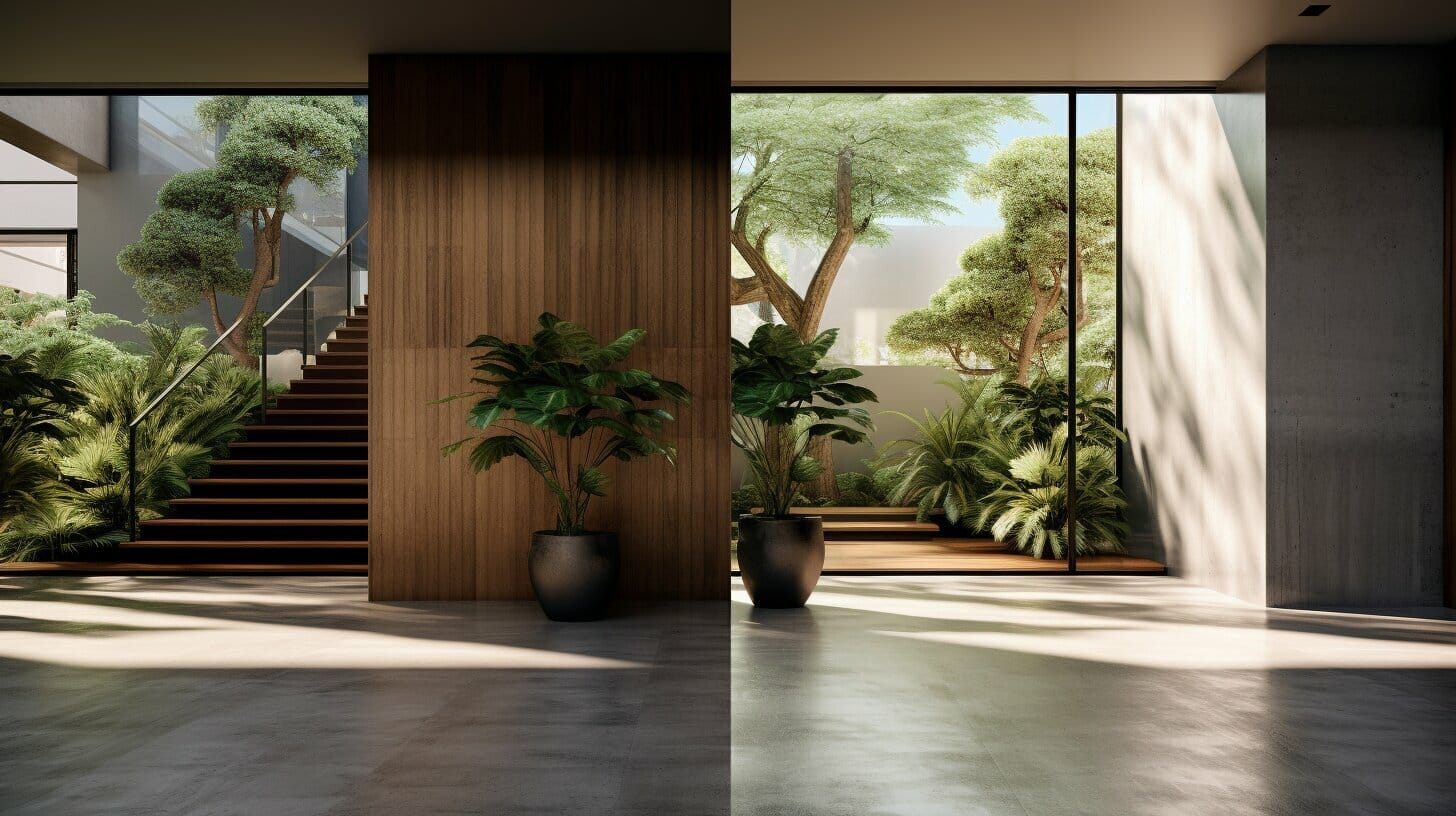
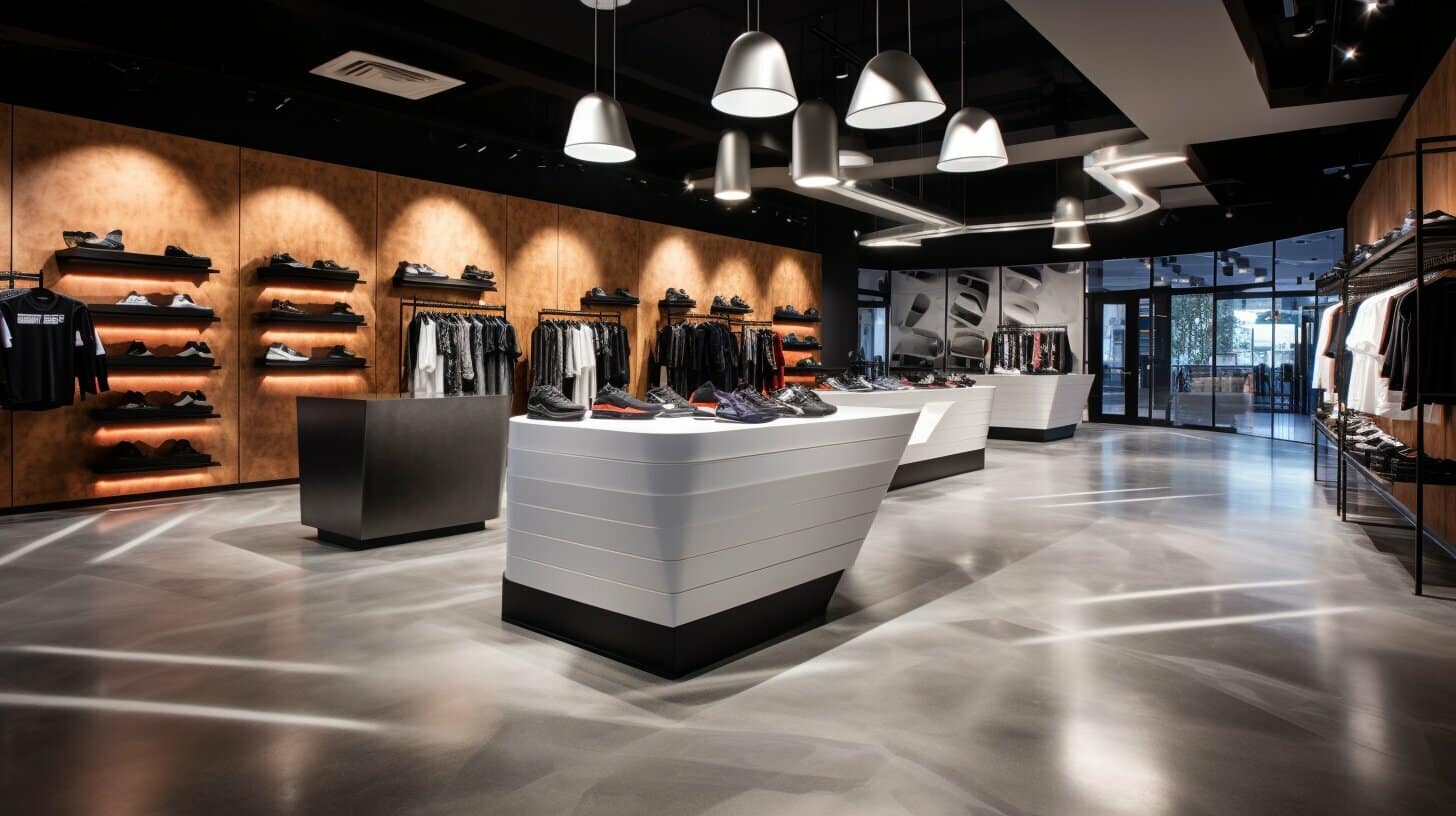
Polished Concrete vs. Carpet: An Australian Comparison Guide

Are you trying to decide between polished concrete and carpet for your Australian home? In this comprehensive guide, we will explore the pros and cons of each option to help you make an informed decision.

Key Takeaways:

  • Polished concrete is a popular flooring choice in Australia due to its durability and easy maintenance.
  • Polished concrete can be polished in different finishes, offering versatility in design.
  • The cost of polished concrete flooring starts at around $25 per square meter and can go up to $100 per square meter for mechanically polished options.
  • Polished concrete is more affordable if you already have concrete flooring installed, but pouring new concrete may increase the overall cost.
  • Polished concrete is more durable and long-lasting compared to carpets, making it suitable for high-traffic areas.

The Benefits of Polished Concrete Flooring

Polished concrete flooring is becoming increasingly popular in Australia due to its numerous benefits and advantages over other flooring options. Not only does it offer exceptional durability and longevity, but it also requires minimal maintenance, making it a practical and cost-effective choice for homeowners.

One of the primary advantages of polished concrete is its versatility in design. With various finishes available, including steel trowelled, burnished, honed, or mechanically polished, homeowners have the flexibility to achieve their desired aesthetic. Whether you prefer a sleek and modern look or a more natural and rustic feel, polished concrete can be customized to suit your style.

Another key benefit of polished concrete is its durability. Unlike carpet flooring, which may wear out or stain over time, polished concrete is highly resistant to wear and tear. This makes it an ideal option for high-traffic areas in your home, such as hallways or living rooms.

In terms of cost, polished concrete can be a more affordable choice compared to other flooring options, especially if you already have a concrete base. The starting cost for polished concrete flooring in Australia is around $25 per square meter, making it an attractive option for budget-conscious homeowners. However, it’s worth noting that if you need to pour new concrete, the overall cost may be higher.

To summarize, polished concrete flooring offers a range of benefits for Australian homeowners. Its durability, easy maintenance, versatility in design, and cost-effectiveness make it a popular choice for those looking for a stylish and practical flooring solution.

Benefits of Polished Concrete Flooring
Durability Longevity Minimal maintenance
Versatility in design Cost-effectiveness Resistance to wear and tear

The Advantages of Carpet Flooring

Carpet flooring offers unique advantages that make it a popular choice among Australian homeowners, providing comfort, style, and practicality. One of the key advantages of carpet is its unmatched comfort underfoot. The soft texture of carpeting provides a cozy and warm feel, making it perfect for bedrooms, living rooms, and other areas where comfort is a priority. Additionally, carpet acts as an excellent insulator, helping to maintain a comfortable temperature within the home.

Another advantage of carpet flooring is its wide range of styles and colors. With numerous options available, you can easily find the perfect carpet to complement your interior design and create a cohesive look. Whether you prefer a plush, luxurious carpet or a more practical and durable option, carpeting allows you to express your personal style and enhance the aesthetic appeal of your home.

In terms of practicality, carpet flooring offers several benefits. As a noise reducer, carpet absorbs sound and helps to minimize echoes and footsteps, making it an ideal choice for households with young children or pets. Carpet also provides an added layer of safety, reducing the risk of slips and falls, particularly on stairs. Furthermore, the soft and cushioned surface of carpeting makes it a comfortable play area for children, giving parents peace of mind.

Advantages of Carpet Flooring
Exceptional comfort underfoot
Wide range of styles and colors
Reduces noise and echoes
Provides added safety

With its comfort, style, and practicality, it’s no wonder that carpet flooring remains a popular choice in Australia. Whether you’re looking to create a cozy living space or enhance the safety and comfort of your home, carpet offers numerous advantages that make it a versatile and reliable flooring option.

Cost Comparison: Polished Concrete vs. Carpet

When deciding between polished concrete and carpet, it is important to consider the cost implications of each option. Polished concrete flooring offers a range of pricing options depending on the desired finish and level of stone exposure. Starting at approximately $25 per square meter, polished concrete can be a more affordable choice compared to other flooring materials like tiles. However, it is worth noting that if you don’t already have a concrete base, the cost may be higher as new concrete pouring will be required.

For those looking for a more luxurious and refined look, mechanically polished concrete is an excellent choice. This option comes with a higher price tag, averaging around $100 per square meter. It provides a highly polished and reflective surface, adding elegance to any space. Keep in mind that these prices are estimates and may vary depending on factors such as location, contractor fees, and additional customization.

On the other hand, carpet flooring offers a wide range of options to suit different budgets. The cost of carpet installation can vary based on the type of carpet chosen, the area to be covered, and any additional requirements, such as underlay or removal of existing carpet. Generally, carpet can be a more cost-effective option initially compared to polished concrete. However, it’s important to consider the long-term durability and maintenance costs.

In summary, polished concrete flooring can offer an affordable and stylish choice for Australian homeowners. The cost will depend on factors such as the desired finish and the need for concrete pouring. Carpet flooring, while initially more cost-effective, should also be considered for its comfort and versatility. Ultimately, it is essential to assess both the upfront and long-term costs to make an informed decision based on your budget and requirements.

Cost Polished Concrete Carpet
Starting Price $25 per m2 Varies
Mechanically Polished Average: $100 per m2 Varies
Additional Costs Concrete Pouring Underlay, Removal

Durability and Longevity: Polished Concrete vs. Carpet

If you’re looking for a flooring option that can withstand heavy use and last for years to come, it’s important to consider the durability of polished concrete compared to carpet. Polished concrete is known for its exceptional strength and resilience, making it suitable for high-traffic areas in both residential and commercial settings. With proper maintenance, polished concrete can maintain its pristine appearance for decades.

Unlike carpet, which can easily incur stains, wear, and tear, polished concrete is resistant to these common issues. It doesn’t require frequent replacement or repair, saving you time and money in the long run. Additionally, polished concrete is less prone to fading or discoloration caused by sunlight exposure, unlike certain types of carpet that can lose their vibrancy over time.

The durability of polished concrete is further enhanced by its resistance to moisture and humidity. Unlike carpet, which can harbor mold and mildew, polished concrete provides a solid and easily cleanable surface that inhibits the growth of harmful microorganisms. This makes polished concrete a healthier and more hygienic choice, especially for individuals with allergies or respiratory sensitivities.

In terms of longevity, polished concrete can outlast carpet by many years. While the lifespan of carpet averages around 5-10 years, depending on the quality and maintenance, polished concrete can remain intact for several decades. This means you can enjoy the benefits of durable and reliable flooring without the worry of frequent replacement or costly renovations.

Polished Concrete Carpet
Stain Resistance High Low
Wear and Tear Minimal Significant
Maintenance Low High
Lifespan Decades 5-10 years

Maintenance: Polished Concrete vs. Carpet

Understanding the maintenance needs of polished concrete and carpet is essential for ensuring the longevity and appearance of your chosen flooring option. Polished concrete requires minimal maintenance, making it a convenient choice for busy Australian homeowners. Regular sweeping and occasional mopping with a pH-neutral cleaner are usually sufficient to keep polished concrete floors looking their best. Avoid using abrasive cleaners or scrub brushes that can damage the surface.

On the other hand, carpet flooring requires more frequent and thorough cleaning to maintain its appearance and hygiene. Regular vacuuming is necessary to remove dirt and debris that can get trapped in the carpet fibers. Additionally, deep cleaning methods such as steam cleaning or professional carpet cleaning may be required to remove stains and refresh the carpet’s appearance. It is important to address spills and stains promptly to prevent them from setting into the carpet.

While polished concrete is more resistant to staining and wear than carpet, it is still essential to take preventive measures. Placing mats or rugs at entryways can help trap dirt and prevent scratching on the polished surface. Furniture pads or coasters should be used to avoid scratching or scuffing the concrete when moving or rearranging furniture. For carpet flooring, regular vacuuming and immediate spot cleaning are crucial for maintaining its appearance and extending its lifespan.

Overall, polished concrete requires less maintenance and upkeep compared to carpet flooring. Its durability and stain resistance make it a practical choice for high-traffic areas in Australian homes. However, it is important to consider your specific lifestyle and needs when deciding between polished concrete and carpet.

Polished Concrete Carpet
Minimal maintenance Regular vacuuming
Occasional mopping Deep cleaning required
Preventive measures against scratching Immediate spot cleaning for spills and stains

Design Options: Polished Concrete vs. Carpet

Both polished concrete and carpet offer unique design options that can enhance the aesthetics of your Australian home. Polished concrete flooring provides a sleek and modern look, with various finishes and stone exposures to suit your style. Whether you prefer a smooth and glossy steel trowelled finish or a more textured and rustic honed finish, polished concrete can effortlessly elevate the visual appeal of any space. The choice of stone exposure, from minimal to highly exposed aggregates, allows for customization and adds character to the flooring.

On the other hand, carpet flooring offers a wide range of options to suit different design preferences. From plush and luxurious carpets in bold colors to textured patterns that add visual interest, carpet allows for endless possibilities in creating a cozy and inviting atmosphere. Whether you opt for a neutral-tone carpet to create a timeless look or a vibrant pattern to make a statement, carpet flooring allows you to personalize your home according to your taste.

Design Options of Polished Concrete:

Finish Description
Steel Trowelled A smooth and glossy finish achieved through a steel trowel.
Burnished A semi-gloss finish created by using a high-speed burnisher on the concrete surface.
Honed A matte or satin finish that exposes the natural texture of the concrete.
Mechanically Polished A highly polished finish achieved by using progressively finer diamond grinding pads.

When it comes to design options, both polished concrete and carpet have their own strengths. The choice ultimately depends on your personal preferences and the desired style for your home. Whether you prefer the contemporary and industrial look of polished concrete or the warmth and comfort of carpet, both flooring options can transform your space into a visually stunning environment.

Environmental Impact: Polished Concrete vs. Carpet

If environmental considerations play a role in your flooring decision, it’s important to understand the environmental impact of polished concrete and carpet options. Let’s take a closer look at how these two flooring choices differ in terms of sustainability and energy efficiency.

Polished concrete is known for its eco-friendly qualities. It begins with the existing concrete slab, eliminating the need for additional materials. This makes it a sustainable choice, as it reduces waste and minimizes the consumption of new resources. Additionally, the polishing and sealing process uses non-toxic chemicals, making it safe for both the environment and those living in the space. Polished concrete floors also have the benefit of thermal mass, which helps regulate indoor temperatures and reduces the need for excessive heating or cooling, contributing to energy efficiency.

On the other hand, carpet flooring has a more complex environmental impact. The production of carpet involves the use of synthetic materials such as nylon or polyester, which are derived from non-renewable resources and require energy-intensive manufacturing processes. Furthermore, the installation of carpet often involves the use of adhesives, which may contain volatile organic compounds (VOCs) that can off-gas harmful chemicals into the air. Additionally, carpet can trap dust, allergens, and bacteria, leading to poor indoor air quality. However, it’s worth noting that some carpet manufacturers are now producing more sustainable options, using recycled materials and low VOC adhesives, which can mitigate the environmental impact to some extent.

Summary:

  • Polished concrete is a sustainable flooring choice, as it utilizes existing concrete slabs and requires fewer resources than carpet.
  • Polished concrete has good energy efficiency due to its thermal mass properties, reducing the need for excessive heating or cooling.
  • Carpet flooring has a more complex environmental impact, with the production and installation processes contributing to resource consumption and potential air pollution.
  • Some carpet manufacturers are producing more sustainable options, using recycled materials and low VOC adhesives.
Factors Polished Concrete Carpet
Sustainability Eco-friendly, utilizes existing concrete slabs Complex, uses synthetic materials and involves energy-intensive production
Energy Efficiency Good, thermal mass properties help regulate indoor temperatures Varies, depending on insulation and underlay
Air Quality Good, non-toxic chemicals used in the polishing and sealing process Potential for poor indoor air quality due to dust and allergen retention

Conclusion

After examining the various factors involved, including cost, durability, maintenance, and design, it becomes clear that the choice between polished concrete and carpet ultimately depends on your specific needs and preferences for your Australian home.

Polished concrete flooring offers numerous advantages that make it a popular choice among homeowners. Its durability and longevity make it ideal for high-traffic areas, ensuring that it can withstand the test of time. Additionally, polished concrete is easy to maintain, requiring minimal effort to keep it clean and looking its best. Its versatility in design, with various finishes and stone exposures available, allows homeowners to create a unique and stylish look that suits their aesthetic preferences.

On the other hand, carpet flooring offers its own set of benefits. It provides comfort underfoot, making it a cozy option for bedrooms and living spaces. Carpet also acts as an excellent noise insulator, reducing sound transmission and creating a quieter environment. With a wide variety of styles and colors to choose from, carpet allows homeowners to add warmth and personality to their space.

When it comes to cost, polished concrete can be more affordable if you already have concrete flooring installed. However, if you need to pour new concrete, the overall cost may be higher. On the other hand, carpet installation costs can vary depending on the type and quality of the carpet chosen. It is important to consider both the upfront cost and long-term maintenance expenses when making a decision.

In conclusion, the choice between polished concrete and carpet flooring in Australia depends on your individual needs and preferences. Consider factors such as durability, maintenance, design options, and cost to determine which option best suits your lifestyle and aesthetic vision for your home. Whether you choose the sleek and modern appeal of polished concrete or the cozy comfort of carpet, both options can enhance the beauty and functionality of your Australian home.

FAQ

Q: What finishes are available for polished concrete flooring?

A: Polished concrete can be finished in different styles, including steel trowelled, burnished, honed, or mechanically polished. These finishes offer varying levels of stone exposure and aesthetics.

Q: How much does polished concrete flooring cost?

A: The cost of polished concrete flooring starts at around $25 per square meter and can go up to $100 per square meter for mechanically polished options. The overall cost will depend on factors such as the type of finish, the size of the area, and whether new concrete needs to be poured.

Q: Is polished concrete flooring more affordable than tiles?

A: Polished concrete can be more affordable than tiles if you already have concrete flooring installed. However, if you need to pour new concrete, the overall cost may be higher. It’s best to consult with professionals to get an accurate cost estimate.

Q: How does polished concrete compare to carpets in terms of durability?

A: Polished concrete is more durable and long-lasting than carpets. It is highly resistant to wear and tear, making it a preferred choice for high-traffic areas.

Q: What are the maintenance requirements for polished concrete flooring?

A: Polished concrete is easy to maintain. Regular cleaning with a mild detergent and water is usually sufficient to keep it looking its best. It is important to avoid using acidic or abrasive cleaners that can damage the surface.

Q: What design options are available for polished concrete flooring?

A: Polished concrete offers a range of design options. It can be finished in different styles, such as steel trowelled, burnished, honed, or mechanically polished, each providing a unique look. Additionally, varying levels of stone exposure can be achieved to create different aesthetics.

Q: What are the advantages of carpet flooring?

A: Carpet flooring offers comfort, noise reduction, insulation, and a wide variety of styles and colors to choose from. It provides a soft and warm underfoot feel, making it a popular choice for bedrooms and living areas.

Q: What is the environmental impact of polished concrete and carpet flooring?

A: Polished concrete is considered to have a lower environmental impact compared to carpet. It is energy-efficient, as it can help regulate indoor temperatures, reducing the need for heating or cooling. Carpets, on the other hand, may contain allergens and require regular cleaning with chemicals.

Q: Which flooring option is better for Australian homeowners, polished concrete or carpet?

A: The choice between polished concrete and carpet flooring ultimately depends on personal preferences and specific requirements. Polished concrete is known for its durability, easy maintenance, and versatility in design, making it a popular choice in Australia. However, carpet offers comfort, noise reduction, and a wide range of styles. It is advisable to consider factors such as cost, durability, maintenance, design options, and environmental impact when making a decision.
How Long Does Polished Concrete Last? Unveiling the Truth.

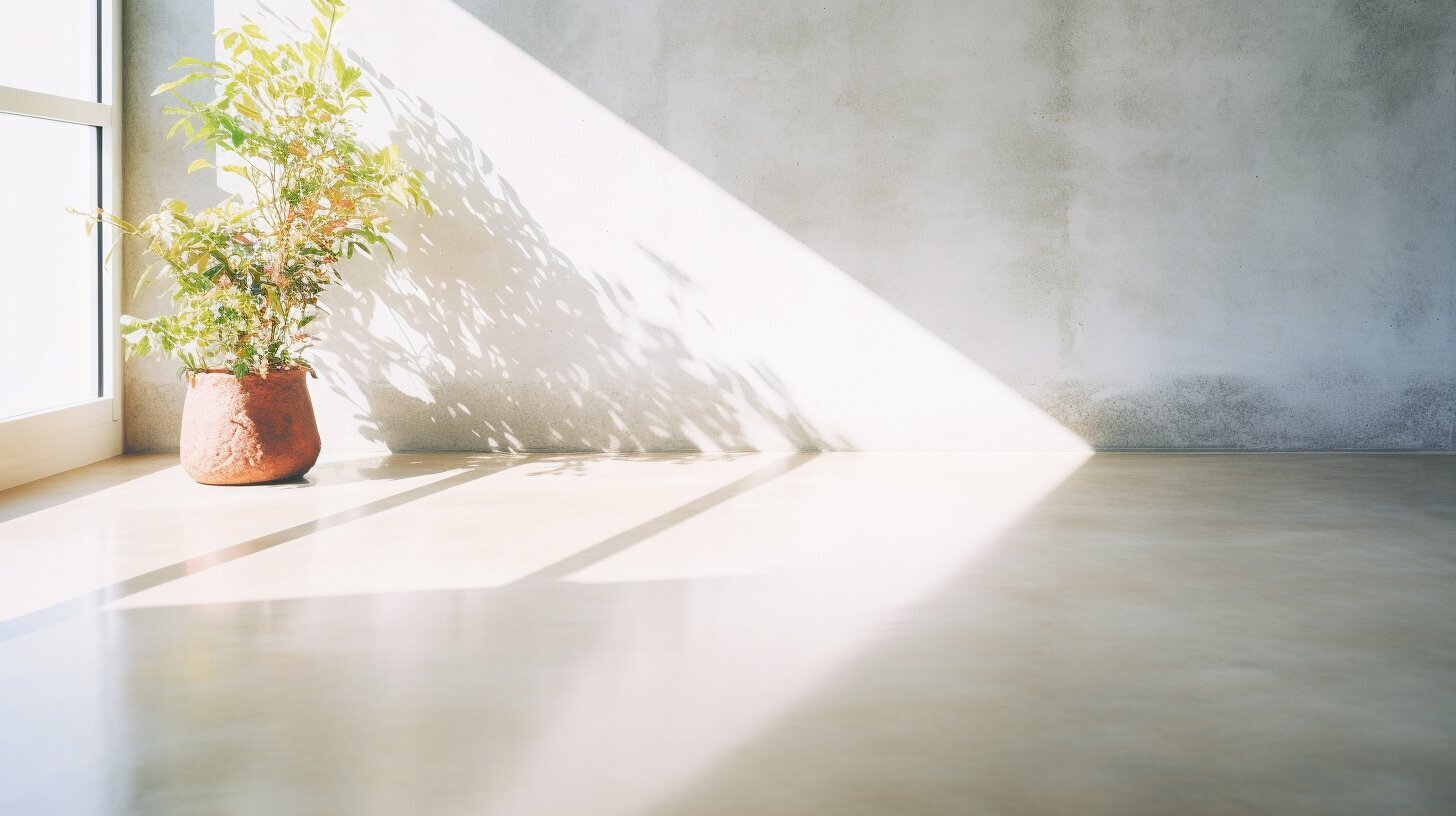
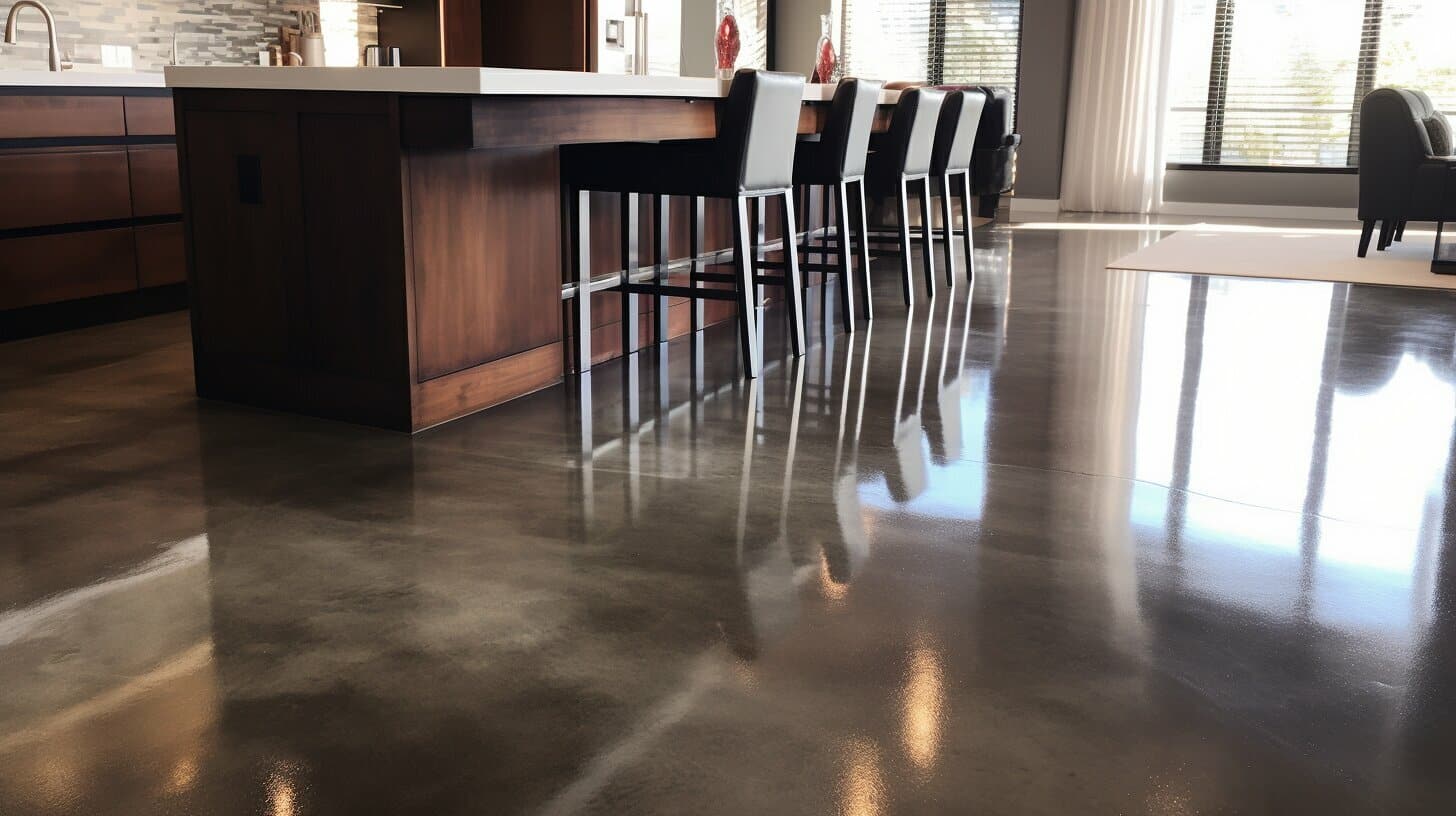
Polished concrete is a popular flooring material known for its durability and low maintenance. It is naturally resistant to a wide range of stains, thanks to its sealing and smooth finish. Regular cleaning and maintenance, including prompt cleaning of spills and periodic resealing, can help maintain the stain resistance and prolong the lifespan of polished concrete. Polished concrete can last up to 10-12 years with proper installation and maintenance. It is also considered environmentally friendly as it is made from natural materials and does not contribute significantly to greenhouse gases. Honed concrete is a suitable outdoor alternative to mechanically polished concrete, and it offers slip resistance and UV resistance. Mechanically polished concrete is not recommended for wet areas, but a grind and seal method or epoxy flooring can be used to make the surface non-slip. Coloured concrete and aggregate can be chosen for new concrete slabs, but existing slabs may have limitations in terms of colour options. Overall, polished concrete is a durable and aesthetically pleasing flooring solution when properly cared for.

Key Takeaways:

  • Polished concrete is a durable flooring material with low maintenance requirements.
  • Regular cleaning and periodic resealing can help prolong its lifespan.
  • Polished concrete can last up to 10-12 years with proper installation and maintenance.
  • Honed concrete is a suitable outdoor alternative to polished concrete, offering slip and UV resistance.
  • A grind and seal method or epoxy flooring can make concrete surfaces non-slip in wet areas.

The Benefits of Polished Concrete

Polished concrete offers a range of benefits, from its impressive durability to the beautiful finish achieved through the polishing process. This popular flooring material is known for its longevity and minimal maintenance requirements. Let’s explore some of the key advantages of choosing polished concrete for your floors.

Durability

One of the standout features of polished concrete is its exceptional durability. With proper installation and maintenance, polished concrete can last up to 10-12 years, making it a long-lasting flooring option. It can withstand heavy foot traffic, making it ideal for both residential and commercial settings. Its resistance to wear and tear makes it a cost-effective choice in the long run.

Low Maintenance

Polished concrete is relatively low maintenance compared to other flooring options. Its smooth and sealed surface makes it resistant to stains, making spills easy to clean. Regular cleaning with a neutral pH cleaner and routine resealing can help maintain the stain resistance and extend the lifespan of the flooring. The simplicity of maintenance allows for easy upkeep, saving you both time and effort.

Environmentally Friendly

Another advantage of polished concrete is its eco-friendly nature. It is made from natural materials, which minimizes its impact on the environment. Additionally, polished concrete does not contribute significantly to greenhouse gases, making it a sustainable choice for those conscious of their carbon footprint. By choosing polished concrete, you can have a beautiful flooring option while being environmentally responsible.

Overall, polished concrete offers numerous benefits, including durability, low maintenance, and eco-friendliness. With its long lifespan and stunning finish, it is a smart investment for any space, whether it be a residential home or a commercial establishment.

Maintaining Polished Concrete Flooring

To ensure the longevity of your polished concrete flooring, regular maintenance is key. Polished concrete is known for its durability and low maintenance, but a little care can go a long way in keeping it looking its best. Here are some essential tips to help you maintain your polished concrete flooring and make it last longer:

Cleaning

Regular cleaning is crucial for keeping polished concrete floors in top condition. Sweep or dust mop the floors daily to remove dirt and debris that can cause scratches. Use a neutral pH cleaner and a microfiber mop or a soft-bristle brush attachment on a vacuum cleaner to clean the floors. Avoid using harsh chemicals or abrasive cleaners as they can damage the sealant and the shine of the floor.

Stain Prevention

While polished concrete is naturally resistant to stains, it’s always a good idea to clean up spills promptly. Wipe up any spills or stains with a soft cloth and a mild cleanser. Avoid using acidic or abrasive substances that can etch the surface of the polished concrete. Applying a quality concrete sealer every few years can also help protect against stains and make the maintenance easier.

Resealing

Periodic resealing is essential for maintaining the longevity of polished concrete flooring. The frequency of resealing depends on various factors such as foot traffic, exposure to sunlight, and the type of sealer used. Generally, it is recommended to reseal the floor every 2 to 3 years. Before resealing, clean the floor thoroughly to remove any dirt or debris. Apply a high-quality sealer according to the manufacturer’s instructions. Resealing not only enhances the shine but also protects the concrete from wear and tear.

Conclusion

By following these maintenance tips, you can ensure that your polished concrete flooring remains in excellent condition for years to come. Regular cleaning, stain prevention, and periodic resealing will help you make the most of your investment. Remember, a little effort goes a long way in preserving the beauty and durability of your polished concrete floors.

Maintenance Tips for Polished Concrete Flooring
Regularly sweep or dust mop the floors to remove dirt and debris.
Use a neutral pH cleaner and avoid harsh chemicals or abrasive cleaners.
Clean up spills promptly with a soft cloth and mild cleanser.
Avoid using acidic or abrasive substances that can damage the surface.
Apply a quality concrete sealer every 2 to 3 years to protect against stains.
Clean the floor thoroughly before resealing and follow the manufacturer’s instructions for application.

The Lifespan of Polished Concrete

With proper installation and maintenance, polished concrete can provide a long lifespan, offering years of durable beauty. Polished concrete floors are known for their strength and resilience, making them a popular choice for commercial and residential spaces alike. The smooth, sealed surface of polished concrete not only enhances the aesthetics of a space but also contributes to its longevity.

Regular cleaning and maintenance are essential to ensure the longevity of polished concrete floors. Promptly cleaning up spills and regularly sweeping or vacuuming the surface helps prevent stains and minimize wear and tear. Periodic resealing is recommended to maintain the protective layer and extend the lifespan of the concrete.

It is important to note that the lifespan of polished concrete can vary depending on factors such as the quality of the initial installation, the level of foot traffic, and the maintenance routine. On average, polished concrete floors can last between 10 to 12 years before requiring significant restoration. However, with proper care and maintenance, some polished concrete floors have been known to last even longer.

Factors Influencing Lifespan Potential Impact
Installation Quality A well-installed polished concrete floor is more likely to last longer.
Foot Traffic High foot traffic areas may experience more wear and tear, reducing the lifespan.
Maintenance Routine Regular cleaning and resealing can significantly extend the lifespan of polished concrete.
Environmental Factors Exposure to harsh chemicals or extreme temperature fluctuations can impact the lifespan of polished concrete.

In conclusion, polished concrete is a durable flooring solution that can last for a substantial period of time when properly installed and maintained. By following a regular cleaning and maintenance routine, property owners can enjoy the long-lasting beauty and functionality of polished concrete floors for many years to come.

Environmental Benefits of Polished Concrete

Polished concrete is not only durable and low maintenance but also environmentally friendly. Made from natural materials, it has minimal impact on the environment and does not contribute significantly to greenhouse gases. By choosing polished concrete as a flooring option, you can reduce your carbon footprint and contribute to a greener planet.

One of the main environmental benefits of polished concrete is its longevity. With proper installation and maintenance, polished concrete can last up to 10-12 years. This means less waste and fewer resources used compared to other flooring materials that may need to be replaced more frequently.

Additionally, polished concrete has excellent thermal mass properties, which can help reduce energy consumption and lower heating and cooling costs. Its thermal mass absorbs and stores heat, helping to regulate indoor temperatures and reduce the need for excessive energy use.

Furthermore, polished concrete is a sustainable choice because it eliminates the need for additional flooring materials, such as carpets or tiles. These materials often require the extraction of non-renewable resources and may contain harmful chemicals. By opting for polished concrete, you can avoid these environmental drawbacks and enjoy a beautiful, long-lasting, and eco-friendly flooring solution.

Environmental Benefits of Polished Concrete
Minimal impact on the environment
Reduced carbon footprint
Longevity and reduced waste
Energy-efficient thermal mass
Sustainable alternative to other flooring materials

Outdoor Alternatives to Polished Concrete

If you’re looking for a durable flooring option for outdoor spaces, honed concrete is an excellent alternative to polished concrete. With its smooth finish and slip resistance, honed concrete provides a stylish and practical solution for patios, driveways, and other outdoor areas. It offers similar durability to polished concrete, making it a long-lasting choice for high-traffic outdoor spaces.

Benefits of Honed Concrete

Honed concrete is created by grinding down the surface of the concrete to remove any imperfections and create a smooth finish. This process enhances the natural beauty of the concrete and can be customized with different levels of grinding to achieve the desired level of shine or texture.

One of the key advantages of honed concrete is its slip resistance. The grinding process creates a surface that is less slippery than polished concrete, making it safer for outdoor areas, particularly around pools or in wet environments.

Honed concrete also offers UV resistance, making it suitable for outdoor applications where exposure to sunlight is a concern. It can withstand the harsh Australian climate without fading or deteriorating, providing a durable flooring option that will stand the test of time.

Maintaining Honed Concrete

To keep your honed concrete looking its best, regular maintenance is essential. Like polished concrete, it is important to clean up spills promptly to prevent staining. Regular sweeping or gentle mopping with a pH-neutral cleaner will help to remove dirt and maintain the appearance of the surface.

Periodic resealing may also be necessary, especially in high-traffic areas, to protect the concrete and maintain its longevity. Consult with a professional to determine the best maintenance schedule for your specific installation.

Pros Cons
Highly durable Limited color options
Slip-resistant Requires regular maintenance
UV resistant May have higher upfront cost
Customizable finish

Non-Slip Options for Wet Areas

While mechanically polished concrete may not be suitable for wet areas, there are alternative flooring options that can provide the necessary non-slip properties. One such option is the grind and seal method, which involves grinding the concrete surface to remove any imperfections and then applying a sealer to enhance its durability and slip resistance. This method not only creates a non-slip surface but also adds a glossy finish to the concrete, enhancing its aesthetic appeal.

Another option for wet areas is epoxy flooring. Epoxy coatings are resistant to moisture, chemicals, and abrasion, making them an excellent choice for areas that are prone to spills or high foot traffic. They can be applied in multiple layers to achieve the desired level of slip resistance and can also be customized with different colors and patterns to suit your design preferences.

In summary, when it comes to wet areas where mechanically polished concrete is not recommended, the grind and seal method and epoxy flooring are reliable alternatives. Both options offer excellent non-slip properties and can be tailored to meet your specific needs. Whether you prefer the sleek look of a sealed concrete surface or the versatility of epoxy coatings, these alternatives ensure that your wet areas remain safe and visually appealing.

Non-Slip Flooring Options for Wet Areas Features Benefits
Grind and Seal Method – Provides non-slip surface
– Enhances durability
– Adds a glossy finish
– Prevents slips and falls
– Improves aesthetic appeal
Epoxy Flooring – Resistant to moisture, chemicals, and abrasion
– Customizable with colors and patterns
– Ensures safety in wet areas
– Offers design versatility

By considering these non-slip alternatives, you can ensure that your wet areas maintain the necessary level of safety while still achieving a visually appealing flooring solution. Whether you choose the grind and seal method or opt for epoxy flooring, both options provide the durability and slip resistance required for wet environments. Consult with a professional flooring expert to determine the best non-slip option for your specific needs and enjoy peace of mind in knowing that you have chosen a flooring solution that prioritizes safety without compromising aesthetics.

Coloured Concrete and Aggregate Options

Coloured concrete and aggregate can add a touch of style and customization to your flooring, though it’s important to understand the options available for both new and existing concrete slabs. When it comes to coloured concrete, there are a variety of pigments available to create unique hues that match your aesthetic preferences. From earthy tones to vibrant shades, the possibilities are endless.

For existing concrete slabs, the colour options may be limited due to the composition and condition of the concrete. While it is possible to apply a new coat of coloured concrete, it’s important to note that the existing surface texture and imperfections may affect the final result. Consulting with a professional contractor can help you determine the best approach for achieving your desired colour on existing concrete.

When it comes to aggregates, they can be added to the concrete mix to create a decorative effect. Aggregates are available in various sizes and materials, such as crushed stones, glass chips, or even seashells, allowing you to create a unique and textured surface. These aggregates can be evenly distributed throughout the concrete or strategically placed to create patterns or designs.

Coloured Concrete Options Aggregate Options
Elegant neutral tones Crushed stones for a natural look
Vibrant and bold colours Glass chips for a modern touch
Subtle pastel shades Seashells for a coastal vibe

Considerations for Choosing Coloured Concrete and Aggregates

  1. Compatibility: Ensure that the chosen colours and aggregates complement the overall design and aesthetics of the space, as well as the surrounding elements.
  2. Maintenance: Different colours and aggregates may require specific maintenance routines to preserve their appearance and longevity. Consult with a professional to understand the recommended care for your chosen options.
  3. Lighting: The lighting in the space can significantly impact the appearance of coloured concrete and aggregates. Consider how natural and artificial light sources will interact with your chosen materials.
  4. Sample Testing: Prior to committing to a specific colour or aggregate, it’s recommended to test a small area or obtain samples to ensure that it meets your expectations and desired outcome.

By carefully considering the options available for coloured concrete and aggregates, you can create a personalized and visually appealing flooring solution that enhances the overall ambiance of your space.

Polished Concrete as a Durable Flooring Solution

Polished concrete is not only a durable flooring option but also provides a visually stunning finish when properly installed and maintained. Its smooth and reflective surface adds a touch of elegance to any space, making it a popular choice for both residential and commercial settings.

One of the key benefits of polished concrete is its durability. With its robust composition and protective sealant, polished concrete is naturally resistant to stains and abrasions. This makes it an ideal choice for high-traffic areas such as hallways, retail stores, and warehouses. With regular cleaning and maintenance, including prompt removal of spills and periodic resealing, polished concrete can maintain its stain resistance and prolong its lifespan.

When it comes to environmental considerations, polished concrete stands out as an eco-friendly flooring option. Made from natural materials, it has a minimal impact on greenhouse gas emissions. It also does not require harsh chemicals or adhesives for installation, further reducing its environmental footprint. For those looking for sustainable flooring solutions, polished concrete is an excellent choice.

For outdoor areas where mechanically polished concrete is not recommended, honed concrete offers a suitable alternative. Honed concrete provides slip resistance and UV resistance, making it perfect for patios, pool decks, and other outdoor spaces. It combines durability with a visually appealing finish, ensuring longevity even in harsh weather conditions. Additionally, in wet areas, non-slip options like the grind and seal method or epoxy flooring can be used to maintain safety without compromising on style.

Benefits of Polished Concrete Maintenance of Polished Concrete
  • Durable and long-lasting
  • Naturally stain-resistant
  • Elegant and visually appealing
  • Environmentally friendly
  • Regular cleaning and prompt spill removal
  • Periodic resealing
  • Avoiding harsh chemicals or abrasive cleaners
  • Proper maintenance of sealant

Choosing polished concrete for your flooring needs ensures a durable and aesthetically pleasing solution. With its longevity, easy maintenance, and environmental advantages, polished concrete is a wise investment that can enhance the beauty and functionality of any space.

Conclusion

In conclusion, polished concrete is a durable, low maintenance flooring solution that can last up to 10-12 years with proper installation and maintenance. Be sure to follow the recommended care and maintenance guidelines to ensure the longevity of your polished concrete floors.

Polished concrete is known for its durability and resistance to stains. Thanks to its sealing and smooth finish, it naturally repels a wide range of stains, making it an ideal choice for high-traffic areas. However, regular cleaning and maintenance are crucial to maintain the stain resistance.

Regular cleaning involves promptly cleaning spills and avoiding harsh chemicals that can damage the polished surface. Additionally, periodic resealing is essential to restore the protective layer and enhance the lifespan of the polished concrete. By taking these simple steps, you can ensure that your polished concrete floors remain in excellent condition for years to come.

Not only is polished concrete durable and low maintenance, but it is also environmentally friendly. Made from natural materials, it has minimal contribution to greenhouse gases. This makes it an eco-conscious choice for those looking to reduce their environmental impact without compromising on quality and aesthetics.

In outdoor areas, honed concrete serves as a suitable alternative to mechanically polished concrete. It offers slip resistance and UV resistance, making it ideal for pool decks, patios, and other exterior spaces. However, in wet areas where slip-resistance is paramount, a grind and seal method or epoxy flooring can be used to create a non-slip surface.

When it comes to new concrete slabs, coloured concrete and aggregate options open up a world of possibilities for customization. However, it’s important to note that existing concrete slabs may have limitations in terms of available colour options. Consulting with a professional can help you determine the best course of action for your specific needs.

Overall, polished concrete is not only a durable and aesthetically pleasing flooring solution, but it also offers low maintenance requirements. By adhering to the recommended care and maintenance guidelines, you can enjoy the benefits of polished concrete for years to come, creating a functional and beautiful space in your home or business.

FAQ

Q: How long does polished concrete last?

A: Polished concrete can last up to 10-12 years with proper installation and maintenance.

Q: What are the benefits of polished concrete?

A: Polished concrete offers durability and low maintenance, making it a popular flooring choice.

Q: How do I maintain polished concrete flooring?

A: Regular cleaning and periodic resealing can help maintain the stain resistance and prolong the lifespan of polished concrete.

Q: What is the lifespan of polished concrete?

A: With proper installation and maintenance, polished concrete can have a lifespan of up to 10-12 years.

Q: What are the environmental benefits of polished concrete?

A: Polished concrete is made from natural materials and does not contribute significantly to greenhouse gases, making it an environmentally friendly option.

Q: What are the outdoor alternatives to polished concrete?

A: Honed concrete is a suitable outdoor alternative to mechanically polished concrete, offering slip resistance and UV resistance.

Q: What are the non-slip options for wet areas?

A: Mechanically polished concrete is not recommended for wet areas, but a grind and seal method or epoxy flooring can be used to make the surface non-slip.

Q: Can I choose coloured concrete and aggregate for my concrete slabs?

A: Coloured concrete and aggregate can be chosen for new concrete slabs, but existing slabs may have limitations in terms of colour options.

Q: Is polished concrete a durable flooring solution?

A: Absolutely! When properly cared for, polished concrete is a durable and aesthetically pleasing flooring solution.

Understanding the Difference: Polished Concrete and Epoxy Flooring

When it comes to choosing the right flooring option for your space, understanding the difference between polished concrete and epoxy flooring is essential. These two options, commonly used in residential, commercial, and industrial settings, each have their own unique features and advantages. By exploring their characteristics and comparing them side by side, you can make an informed decision for your Australian home or business.

Key Takeaways:

  • Polished concrete and epoxy flooring are both popular choices for durable and resistant floors.
  • Polished concrete is achieved by grinding down the surface of the concrete and applying sealers, resulting in a tough and durable substrate.
  • Epoxy flooring is created by combining epoxy resin with a hardener to add a protective layer to concrete floors.
  • Polished concrete offers exceptional durability and slip resistance, making it a great choice for high-traffic areas.
  • Epoxy flooring is cost-effective and faster to install, making it suitable for projects with tight timelines.
  • Polished concrete has better resistance to moisture and chemical damage.
  • Ultimately, the choice between polished concrete and epoxy flooring depends on factors such as durability, cost, installation time, maintenance, and specific requirements of the space.

What is Polished Concrete?

Polished concrete is a popular flooring choice known for its toughness, durability, and aesthetic appeal. It involves the process of grinding down the surface of concrete to create a smooth and glossy finish. This technique enhances the natural beauty of the concrete, revealing its unique patterns and colors. Polished concrete is a versatile option that can be customized to suit various interior styles, from modern and industrial to sleek and contemporary.

One of the key advantages of polished concrete is its exceptional durability. It is a highly resilient flooring option that can withstand heavy foot traffic, making it suitable for both residential and commercial spaces. The dense and compact nature of polished concrete also contributes to its resistance to scratches, stains, and impact.

In terms of maintenance, polished concrete is relatively easy to care for. Regular sweeping and occasional mopping with a neutral cleaner are usually sufficient to keep the surface clean and free from debris. The polished finish helps to prevent the accumulation of dust and allergens, making it a hygienic choice for allergy sufferers. Additionally, polished concrete does not require periodic waxing or resealing, further reducing the long-term maintenance costs.

From an aesthetic standpoint, polished concrete offers a sleek and modern look that can elevate the overall appearance of a space. The glossy finish enhances the natural light reflection, creating a bright and airy feel. Polished concrete also has the ability to complement a wide range of interior design styles, making it a versatile option for residential, commercial, and industrial settings.

Advantages of Polished Concrete
Exceptional durability
Low maintenance
Hygienic and allergen-resistant
Sleek and modern aesthetic appeal

Advantages of Polished Concrete

Opting for polished concrete flooring offers several significant advantages over other flooring options. Not only does it provide exceptional durability, but it also offers impressive slip resistance, making it a safe choice for both residential and commercial spaces.

One of the key benefits of polished concrete is its durability. Unlike other flooring materials that may chip, crack, or stain over time, polished concrete can withstand heavy foot traffic, making it ideal for high-traffic areas such as hallways or retail spaces. Its combination of strength and longevity ensures that your flooring investment will last for years to come.

In addition to its durability, polished concrete is known for its slip resistance. The process of polishing the concrete creates a smooth surface that reduces the risk of slips and falls. This makes it an excellent choice for areas that are prone to moisture, such as kitchens or bathrooms, as it provides a secure footing even when wet.

Furthermore, polished concrete offers an attractive appearance that can enhance the overall aesthetic of your space. With its sleek and glossy finish, it adds a modern and sophisticated touch to any room. The reflective surface of polished concrete also maximizes natural light, creating a brighter and more spacious feel.

To summarize, polished concrete flooring excels in durability, slip resistance, and appearance. Its ability to withstand heavy foot traffic, provide a secure footing, and enhance the aesthetics of a space makes it a popular choice for Australian homes and businesses.

What is Epoxy Flooring?

Epoxy flooring is a popular choice when it comes to adding a durable and protective layer to concrete floors. It is a type of flooring system that is created by combining epoxy resin with a hardener, resulting in a material that is highly resistant to wear, tear, and damage. This makes it an excellent option for high-traffic areas, such as industrial facilities, commercial spaces, and even residential garages.

One of the key benefits of epoxy flooring is its exceptional durability. It is known for its ability to withstand heavy foot traffic, impacts, and chemical spills without showing signs of wear and tear. This makes it an ideal choice for environments where durability is of utmost importance. Additionally, epoxy flooring has a smooth and seamless surface, making it easy to clean and maintain.

Furthermore, epoxy flooring offers excellent resistance to moisture, mold, and chemicals. It forms a protective barrier over the concrete floor, preventing water and other liquids from seeping through. This not only helps to preserve the integrity of the concrete substrate but also makes it resistant to mold and mildew growth. Additionally, the chemical resistance of epoxy flooring makes it suitable for areas where exposure to harsh chemicals is common, such as laboratories and factories.

Advantages of Epoxy Flooring
Durable and long-lasting
Resistant to moisture, mold, and chemicals
Easy to clean and maintain
Seamless and aesthetically pleasing

In summary, epoxy flooring provides a strong and protective layer for concrete floors, with exceptional durability, moisture and chemical resistance, and ease of maintenance. Its seamless and aesthetically pleasing finish makes it a popular choice for a wide range of applications.

Advantages of Epoxy Flooring

Epoxy flooring offers a range of advantages that make it a compelling option for various residential, commercial, and industrial settings. Let’s take a closer look at some of its key benefits:

  1. Cost: One of the main advantages of epoxy flooring is its cost-effectiveness. Compared to other flooring options, epoxy is relatively affordable, making it a budget-friendly choice for many.
  2. Installation Time: Time is often a critical factor when it comes to flooring installation. Epoxy flooring offers a quick and efficient installation process, allowing you to minimize downtime and get back to business sooner.
  3. Cleaning and Maintenance: Epoxy floors are incredibly easy to clean and maintain. They have a seamless surface, which means there are no grout lines or crevices for dirt, dust, or spills to accumulate. Regular sweeping and occasional mopping are usually all that’s needed to keep epoxy floors looking pristine.
  4. Moisture and Mold Resistance: Epoxy flooring is highly resistant to moisture, making it an excellent choice for areas prone to water exposure, such as kitchens, bathrooms, and basements. Its seamless surface also prevents the growth of mold and mildew, ensuring a hygienic environment.
  5. Chemical Resistance: Epoxy floors have exceptional chemical resistance, making them ideal for environments that deal with harsh chemicals and spills, such as laboratories, factories, and garages. They can withstand the corrosive effects of acids, solvents, oils, and other chemicals, ensuring long-lasting durability.

As we can see, epoxy flooring offers numerous advantages in terms of cost, installation time, cleaning and maintenance, moisture and mold resistance, and chemical resistance. However, it’s important to consider your specific needs and requirements before making a decision. Consulting with a professional flooring specialist can help you determine whether epoxy flooring is the right choice for your space.

Epoxy Flooring Polished Concrete
Durability High High
Cost Cost-effective Higher initial cost
Installation Time Quick Longer process
Cleaning and Maintenance Easy Requires periodic maintenance
Vulnerability to Moisture and Mold High resistance Less resistant
Chemical Resistance Exceptional Good
Slip Resistance Varies High
Reflectivity High gloss options Varies

Before making a decision, it’s essential to weigh the advantages and factors mentioned above. If durability, quick installation, low maintenance, and resistance to moisture and chemicals are your primary concerns, epoxy flooring may be the best choice for your space. However, if you prioritize a higher initial cost, exceptional slip resistance, and a variety of reflectivity options, polished concrete may be more suitable.

Comparison: Polished Concrete vs. Epoxy Flooring

Comparing polished concrete and epoxy flooring can help you determine which option is best suited for your specific needs and requirements. Both options have their pros and cons, so it’s essential to weigh the different factors before making a decision.

Polished Concrete

Polished concrete is known for its exceptional durability and slip resistance. It is a popular choice for high-traffic areas such as warehouses, retail spaces, and industrial facilities. Polished concrete floors can withstand heavy foot traffic and the wear and tear of daily use. Additionally, they offer a sleek, modern appearance that can enhance the aesthetic of any space.

Pros Cons
Superior durability Higher installation cost
Excellent slip resistance Longer installation time
Attractive and modern appearance Prone to moisture and chemical damage

Epoxy Flooring

Epoxy flooring offers a cost-effective and efficient way to protect concrete floors. It is commonly used in commercial and industrial settings where durability and resistance to chemicals and moisture are crucial. Epoxy floors are relatively quick to install and require minimal maintenance. They are also available in various colors and finishes, allowing for customization to suit different design preferences.

Pros Cons
Cost-effective option Limited slip resistance
Quick installation time May require periodic reapplication
Low maintenance requirements Not as durable as polished concrete

When comparing polished concrete and epoxy flooring, consider factors such as durability, cost, installation time, cleaning and maintenance, vulnerability to moisture and mold, chemical resistance, slip resistance, and reflectivity. Polished concrete is more durable, has better slip resistance, and offers superior resistance to moisture and chemical damage. On the other hand, epoxy flooring is more cost-effective, faster to install, and has lower maintenance requirements.

Ultimately, the choice between polished concrete and epoxy flooring will depend on the specific needs and requirements of your space. If durability and slip resistance are essential, polished concrete may be the better option. However, if cost-effectiveness and quick installation are priorities, epoxy flooring could be the ideal choice. Assess your needs and consult with professionals to make an informed decision that aligns with your project goals.

Choosing the Right Flooring Option for Your Space

Selecting the ideal flooring option for your space involves considering various factors and understanding how polished concrete and epoxy flooring can meet your specific needs. Both options have their advantages and it’s important to evaluate them in relation to your requirements.

Factors to Consider

1. Durability: Polished concrete is known for its exceptional toughness and longevity. It can withstand heavy foot traffic and is resistant to wear and tear. Epoxy flooring, on the other hand, provides a protective layer that enhances the durability of the underlying concrete, making it resistant to stains, chemicals, and impacts.

2. Maintenance: Polished concrete is relatively low maintenance, requiring regular cleaning and occasional resealing. It is susceptible to staining from certain substances. Epoxy flooring is easy to clean and maintain, as it is resistant to stains and spills. Regular sweeping and mopping will keep it looking pristine.

3. Cost: Polished concrete may have a higher upfront cost due to the labor-intensive process of grinding and polishing. However, it can save costs in the long run due to its durability and minimal maintenance requirements. Epoxy flooring offers a more cost-effective initial investment and its quick installation time can further reduce expenses.

4. Appearance: Polished concrete has a unique, natural look that showcases the character of the concrete. It can be customized with different levels of sheen and decorative options such as color dyes and aggregates. Epoxy flooring offers a sleek and glossy finish that can transform the appearance of a space. It is available in a wide range of colors and can be enhanced with patterns or textures.

Factors Polished Concrete Epoxy Flooring
Durability High High
Maintenance Low Low
Cost Higher upfront, potential long-term savings Lower upfront, reduced installation time
Appearance Natural, customizable Sleek, glossy, customizable

When making a decision, it is important to consider the specific needs and requirements of your space. If durability and slip resistance are top priorities, polished concrete may be the better option. If cost-effectiveness and quick installation are key, epoxy flooring might be the ideal choice. It’s also worth noting that polished concrete offers better resistance to moisture and chemical damage. Ultimately, the decision between polished concrete and epoxy flooring comes down to your individual needs and preferences.

By understanding the key factors and comparing the advantages of each flooring option, you can make an informed decision that suits your space. Whether you opt for the natural aesthetics of polished concrete or the sleek appeal of epoxy flooring, both options can provide durability and enhance the overall look of your home or business.

Take time to assess your specific needs, weigh the pros and cons, and consult with flooring professionals to ensure that your flooring choice aligns perfectly with your requirements.

Factors to Consider

When choosing between polished concrete and epoxy flooring, certain factors should be carefully considered to ensure the right choice for your space. These factors include durability, maintenance, cost, and appearance.

Durability: Polished concrete is known for its exceptional durability, making it a popular choice for high-traffic areas such as commercial spaces and industrial facilities. It can withstand heavy foot traffic, machinery, and even vehicular traffic without showing signs of wear and tear. Epoxy flooring, while also durable, may not be as resilient as polished concrete in extreme conditions.

Maintenance: Polished concrete requires minimal maintenance, as it is highly resistant to stains, spills, and scratches. Regular sweeping and occasional damp mopping are typically all that’s needed to keep it looking clean and polished. Epoxy flooring is also low maintenance, but it may require occasional reapplication of a topcoat to maintain its protective properties.

Cost: When it comes to cost, polished concrete tends to be more expensive upfront due to the extensive preparation and polishing process involved. However, its long-term durability and minimal maintenance requirements can result in cost savings over time. Epoxy flooring, on the other hand, is generally more cost-effective in terms of initial installation, making it a more budget-friendly option.

Polished Concrete Epoxy Flooring
Durability Exceptional Durable
Maintenance Minimal Low
Cost Higher upfront, potential cost savings over time Lower initial installation cost

Appearance: Both polished concrete and epoxy flooring offer a sleek, modern appearance that can enhance the aesthetic appeal of any space. Polished concrete showcases the natural beauty of concrete, with its smooth and glossy finish. Epoxy flooring, on the other hand, provides a seamless, high-gloss surface that can be customized with a variety of colors and patterns.

By considering these factors – durability, maintenance, cost, and appearance – you can make an informed decision between polished concrete and epoxy flooring that best suits your specific needs and requirements. Whether you prioritize long-term durability, low maintenance, cost-effectiveness, or aesthetic appeal, there is a flooring option that will meet your expectations.

Conclusion

Considering the differences between polished concrete and epoxy flooring is crucial in making an informed decision for your flooring needs. Polished concrete is a popular choice known for its toughness and durability. Achieved by grinding down the concrete surface and applying sealers, it offers exceptional strength and resistance. On the other hand, epoxy flooring is primarily used to add a protective layer to floors. Combining epoxy resin with a hardener creates a durable and resistant material.

Both polished concrete and epoxy flooring have their advantages, and the choice ultimately depends on various factors. Polished concrete stands out with its superior durability and slip resistance, making it ideal for high-traffic areas. Additionally, it offers better resistance to moisture and chemical damage. On the other hand, epoxy flooring is more cost-effective and faster to install, making it a popular choice for many. It also showcases good resistance to moisture, mold, and chemicals.

When making your decision, it is important to consider factors such as durability, cost, installation time, cleaning and maintenance, vulnerability to moisture and mold, chemical resistance, slip resistance, and reflectivity. Understanding these aspects will help you choose the right flooring option that aligns with your specific needs and requirements.

In conclusion, both polished concrete and epoxy flooring have their merits, and the choice depends on your unique circumstances. Whether you prioritize durability, cost-efficiency, or other factors, weighing the pros and cons of each option will lead you to the flooring solution that best suits your space. So take the time to explore your options and make an informed decision that will enhance the aesthetics and functionality of your Australian home or business.

FAQ

Q: What is the difference between polished concrete and epoxy flooring?

A: Polished concrete is achieved by grinding down the surface of the concrete and applying sealers for added strength and resistance. Epoxy flooring, on the other hand, is a protective layer made by combining epoxy resin with a hardener.

Q: Which flooring option is more durable?

A: Polished concrete is known for its exceptional durability and toughness.

Q: Which flooring option has better slip resistance?

A: Polished concrete offers better slip resistance compared to epoxy flooring.

Q: Which flooring option is more cost-effective?

A: Epoxy flooring is often more cost-effective than polished concrete.

Q: Which flooring option is faster to install?

A: Epoxy flooring can be installed more quickly compared to polished concrete.

Q: Which flooring option has better resistance to moisture and chemical damage?

A: Polished concrete generally has better resistance to moisture and chemical damage.

Q: How do I choose between polished concrete and epoxy flooring?

A: It depends on factors such as durability, cost, installation time, cleaning and maintenance, vulnerability to moisture and mold, chemical resistance, slip resistance, and reflectivity. Consider your specific needs and requirements to make the right choice.

Polished Concrete vs. Timber Floors: We Compare for Aussie Homes

When it comes to flooring options for Aussie homes, polished concrete and timber floors are two popular choices to consider. Polished concrete offers low maintenance and durability, while timber floors provide natural aesthetics and a cozy atmosphere. In this article, we will compare the two options to help you make an informed decision for your home.

Key Takeaways:

  • Polished concrete requires less upkeep compared to timber floors.
  • Timber floors offer natural aesthetics and a warm, rustic vibe.
  • Polished concrete is more durable and resistant to stains and water.
  • Timber floors are susceptible to water damage and require careful maintenance.
  • Polished concrete is perfect for high-traffic areas and can be colored and rebuffed.

Polished Concrete Floors: Maintenance and Durability

Polished concrete floors offer several advantages in terms of maintenance and durability compared to timber floors. One of the main benefits is that polished concrete requires less upkeep and maintenance. Unlike timber floors, which need regular polishing and termite protection, polished concrete floors can be easily maintained with simple cleaning techniques. To keep your polished concrete floors looking their best, it is recommended to sweep or vacuum regularly to remove dirt and dust. Additionally, using a damp mop with a pH-neutral cleaner can help remove any stains or spills.

When it comes to durability, polished concrete floors are known for their long-lasting nature. With proper care and maintenance, polished concrete can last 10 to 20 years or even longer. The hard surface of polished concrete is resistant to scratches, dents, and stains, making it ideal for high-traffic areas such as living rooms, kitchens, and commercial spaces. This durability also extends to water resistance, as polished concrete floors are less susceptible to water damage compared to timber floors.

Regular Maintenance for Polished Concrete

While polished concrete floors require minimal maintenance, there are a few best practices to keep in mind. To ensure the longevity of your polished concrete floors, it is important to avoid using harsh chemicals or abrasive cleaning tools that can damage the surface. Instead, opt for pH-neutral cleaners and soft microfiber mops or cloths. In areas with heavy foot traffic, placing rugs or mats near entrances can help prevent dirt and debris from scratching the polished surface. It is also recommended to have your polished concrete floors professionally resealed every few years to maintain their shine and protective layer.

Maintenance Tips for Polished Concrete Floors
Avoid using harsh chemicals or abrasive cleaning tools
Use pH-neutral cleaners
Regularly sweep or vacuum to remove dirt and dust
Use soft microfiber mops or cloths for cleaning
Place rugs or mats near entrances to prevent scratching
Have your floors professionally resealed every few years

In conclusion, polished concrete floors offer low maintenance requirements and impressive durability compared to timber floors. While timber floors require regular polishing and termite protection, polished concrete floors can be easily maintained with simple cleaning techniques. With their long-lasting nature and resistance to scratches, dents, stains, and water damage, polished concrete floors are an excellent choice for high-traffic areas. By following proper maintenance practices and taking preventive measures, you can ensure that your polished concrete floors retain their beauty and durability for years to come.

Timber Floors: Natural Aesthetics and Warmth

Timber floors bring a unique charm to Australian homes with their natural aesthetics and warm, rustic vibe. The rich textures and warm tones of timber create an inviting atmosphere that can instantly transform a space. Whether it’s a traditional farmhouse or a modern urban apartment, timber floors have the ability to enhance the overall appeal of any interior.

One of the key advantages of timber floors is their natural beauty. Each timber board has its own distinct grain patterns, knots, and color variations, making every floor unique. This natural variation adds character and depth to a room, creating a sense of warmth and coziness. Whether you prefer lighter tones for a contemporary look or darker shades for a more traditional feel, timber floors offer a wide range of options to suit your personal style.

In addition to their aesthetic appeal, timber floors also provide a comfortable underfoot experience. Unlike colder surfaces such as tiles or concrete, timber floors have a natural ability to retain heat, providing insulation during the cooler months. They also offer a softer surface, reducing strain on joints and providing a more comfortable walking experience. This makes timber floors particularly popular in bedrooms, living rooms, and other areas where comfort is a priority.

Enhancing the Beauty of Timber Floors

To make the most of the natural aesthetics of timber floors, proper maintenance is essential. Regular cleaning and polishing can help maintain their beauty and prevent wear and tear. It is recommended to sweep or vacuum the floors regularly to remove dust and dirt. Avoid using harsh chemicals or abrasive cleaning products that can damage the timber’s surface. Instead, opt for gentle cleaners specifically designed for timber floors, and use a soft mop or cloth for application.

When it comes to spills, immediate cleaning is crucial to prevent stains and damage. Wipe up any spills with a damp cloth or mop as soon as possible. Avoid excessive moisture, as timber floors are susceptible to water damage. It is also important to protect timber floors from direct sunlight to prevent fading or discoloration. Using rugs or blinds can help minimize sun exposure and prolong the lifespan of the timber.

In summary, timber floors offer a natural charm and warmth that is hard to replicate with other flooring options. Their unique aesthetics and cozy atmosphere make them a popular choice for Australian homes. With proper maintenance and care, timber floors can retain their beauty for many years, providing a timeless and inviting backdrop for any interior.

Durability and Longevity Comparison

When it comes to withstanding heavy traffic and water spills, polished concrete floors outshine timber floors in terms of durability. Polished concrete is known for its resilience, capable of lasting 10 to 20 years with minimal effort. Unlike timber floors, which can be easily damaged by high foot traffic, polished concrete can withstand the wear and tear of busy households and commercial spaces.

In addition to its durability, polished concrete floors offer excellent resistance to water spills. With its smooth and non-porous surface, polished concrete repels liquids, making it easier to clean and maintain. This makes it an ideal choice for areas prone to moisture, such as kitchens and bathrooms, where timber floors may be more susceptible to water damage.

While polished concrete floors excel in durability and water resistance, it’s important to note that timber floors require careful maintenance to ensure their longevity. Regular polishing and termite protection are necessary to preserve the natural beauty of timber floors. Additionally, timber floors can be more vulnerable to water damage, requiring extra precautions in areas prone to spills or high humidity.

Comparison Polished Concrete Floors Timber Floors
Durability Excellent resistance to heavy traffic Prone to damage from high foot traffic
Water Resistance Repels water spills, easy to clean Requires careful maintenance to prevent water damage

Ultimately, the choice between polished concrete and timber floors depends on personal preferences and priorities. Polished concrete offers low maintenance and exceptional durability, making it a practical option for those looking for a long-lasting and easy-to-clean flooring solution. On the other hand, timber floors provide a warm and rustic aesthetic, bringing natural beauty and charm to any space. Consider factors such as maintenance, durability, versatility, and visual appeal when making a decision.

Polished Concrete: Stain and Water-Resistance

One of the key benefits of polished concrete floors is their resistance to stains and water, making them easier to clean and maintain. Unlike timber floors, which are susceptible to water damage, polished concrete can withstand spills and moisture without warping or staining.

The smooth surface of polished concrete floors repels liquids, preventing them from seeping into the material and causing permanent damage. This makes it ideal for high-traffic areas such as kitchens and bathrooms, where spills are common. With polished concrete, any spills can be quickly wiped away, leaving no trace or lasting marks.

Cleaning polished concrete floors is a breeze. Regular maintenance involves sweeping or vacuuming to remove dust and debris, followed by mopping with a pH-neutral cleaner to ensure a streak-free finish. The non-porous nature of polished concrete prevents dirt and grime from becoming embedded in the surface, making it easier to maintain its pristine appearance.

Polished Concrete: Stain and Water-Resistance Timber Floors
Resistant to stains and water Susceptible to water damage and stains
Easy to clean and maintain Requires regular polishing and termite protection
Can be quickly wiped clean May require more extensive cleaning for spills and stains

Polished Concrete: A Practical and Stylish Choice

Not only are polished concrete floors stain and water-resistant, but they also offer a sleek, modern aesthetic that complements a variety of interior designs. The reflective surface of polished concrete can enhance natural light, creating an open and airy atmosphere in any room.

Additionally, polished concrete floors can be customized with different colors, patterns, and aggregates to suit individual preferences and interior styles. This versatility allows homeowners to create a unique and personalized look that adds character and charm to their space.

With its exceptional stain and water-resistant properties, easy maintenance, and stylish appearance, polished concrete floors are a practical and attractive choice for Australian homes.

Pros and Cons of Polished Concrete Floors

Polished concrete floors offer advantages such as being suitable for high-traffic areas, fire and flood resistance, color customization, and the ability to restore shine through rebuffing. These floors are perfect for homes with kids, pets, or heavy foot traffic, as they can withstand the wear and tear of daily life. Their durability makes them ideal for commercial spaces as well.

One of the key benefits of polished concrete floors is their resistance to fire and floods. This makes them a safer option, especially for areas prone to bushfires or regions that experience heavy rainfall. Additionally, polished concrete floors can be customized to match different interior styles and tones, giving homeowners the freedom to create their desired look.

However, it’s important to consider the drawbacks of polished concrete floors. Although they are highly durable, they can be unforgiving and may cause injuries from falls. The hard surface of polished concrete can be slippery when wet, so caution should be taken, particularly in areas like bathrooms. Furthermore, concrete floors can develop cracks over time due to changes in temperature and moisture levels. In colder climates, concrete floors can feel cold, so adding rugs or underfloor heating may be necessary to maintain a comfortable environment.

Proper installation is crucial for polished concrete floors. It’s essential to ensure that the house’s foundations can withstand the weight of the concrete and that the installation is done correctly. Consulting with professionals and following proper installation guidelines is key to avoid any issues down the line. With the right installation and regular maintenance, polished concrete floors can provide a beautiful and durable flooring option for Australian homes.

Cost and Installation Considerations

When it comes to cost and installation considerations, both polished concrete floors and timber floors have their pros and cons. Installing polished concrete floors can be a lengthy process, taking about 7 days to complete, and it is recommended to move out during installation due to the noise, mess, and dust. However, the cost of polished concrete floors is comparable to timber floors, making it an attractive option for homeowners.

Polished concrete floors can be done during a new build or by polishing existing concrete slabs. This versatility allows for more design options and customization. On the other hand, timber floors require an installation process that involves laying down wooden planks, which can take time and effort.

Polished Concrete Floors Timber Floors
Comparable cost to timber floors Variety of wood species and finishes
Takes about 7 days to complete installation Time-consuming installation process
Move out recommended during installation due to noise, mess, and dust Noise and mess during installation

It’s important to carefully consider the installation process and the potential inconvenience it may cause. While polished concrete floors offer a shorter installation time, the noise, mess, and dust can be disruptive to daily life. Timber floors, on the other hand, may take longer to install but offer a variety of wood species and finishes to choose from.

In conclusion, both polished concrete floors and timber floors have their own advantages and considerations when it comes to cost and installation. Factors such as time frame, moving out during installation, noise, mess, and dust should be taken into account when making a decision. Assess your personal preferences and priorities to determine which option suits your lifestyle and budget. Whether you choose the low-maintenance and durability of polished concrete or the natural aesthetics and warmth of timber floors, both options can enhance the overall look and feel of your home.

Making the Choice: Personal Preferences and Priorities

Ultimately, the decision between polished concrete and timber floors depends on individual preferences and priorities, considering factors like maintenance, durability, versatility, and visual appeal. Both options have their unique advantages and drawbacks, and understanding what matters most to you will guide you in making the right choice for your home.

When it comes to maintenance, polished concrete floors require less upkeep compared to timber floors. They are resistant to stains and water, making cleaning a breeze. In contrast, timber floors need regular polishing and termite protection to maintain their shine and prevent damage. If you lead a busy lifestyle and prefer a low-maintenance flooring option, polished concrete might be the way to go.

However, if aesthetics and warmth are your top priorities, timber floors offer a natural beauty that is hard to replicate. The warm and rustic vibe of timber floors adds a touch of coziness to any space. Timber floors come in a variety of colors, grains, and textures, allowing you to choose a style that complements your home’s interior design. These floors exude a timeless charm and create a sense of comfort and familiarity.

Visual Appeal and Versatility

Another aspect to consider is the visual appeal and versatility of the flooring options. Polished concrete floors can be customized with different colors and finishes, allowing you to create a unique look that matches your personal style. They also offer a sleek and modern aesthetic, making them a popular choice for contemporary homes. On the other hand, timber floors bring a natural and organic element to the space. Their versatile nature allows them to seamlessly blend with various design styles, from traditional to Scandinavian.

Polished Concrete Floors Timber Floors
Maintenance Low maintenance, stain and water-resistant Regular polishing and termite protection required
Durability Lasts 10 to 20 years with minimal effort Prone to damage from heavy traffic and water spills
Visual Appeal Sleek and modern Natural and rustic
Versatility Customizable with different colors and finishes Available in a variety of colors, grains, and textures

When it comes to making a choice between polished concrete and timber floors, it’s essential to consider your lifestyle, design preferences, and long-term expectations. Take into account factors like maintenance requirements, durability, versatility, and the visual appeal that each flooring option brings to your home. By evaluating these aspects, you’ll be able to select the flooring that best suits your needs and creates the atmosphere you desire.

Remember, your home is a reflection of your personality and should be designed to enhance your overall well-being. Whether you choose the sleek elegance of polished concrete or the timeless charm of timber floors, make a decision that aligns with your personal style and will bring joy to your home for years to come.

Conclusion

In conclusion, both polished concrete and timber floors have their own advantages and considerations, and the choice ultimately comes down to what best suits the needs and aesthetic preferences of Australian homeowners.

Polished concrete floors offer low maintenance and long-lasting durability, making them a practical option for high-traffic areas. They are resistant to stains and water, making cleaning a breeze. With the ability to customize colors and the option to rebuff for restoring their shine, polished concrete floors provide versatility.

On the other hand, timber floors bring natural aesthetics and a cozy atmosphere to homes. They add warmth and a rustic vibe that polished concrete cannot replicate. However, timber floors require regular maintenance in the form of polishing and termite protection. They are also more susceptible to damage from heavy traffic and water spills.

Consider factors such as maintenance, durability, versatility, and visual appeal when making a decision. Whether it’s the sleek and modern look of polished concrete or the timeless charm of timber floors, both options can enhance the beauty of Aussie homes.

FAQ

Q: How do you maintain polished concrete floors?

A: Polished concrete floors require minimal maintenance. Regular sweeping and occasional mopping with a pH-neutral cleaner are usually sufficient to keep them clean. Avoid using abrasive cleaners or acidic substances that can damage the polished surface.

Q: Do polished concrete floors need regular polishing?

A: Polished concrete floors do not require regular polishing. However, over time, the shine may diminish due to wear and tear. In such cases, they can be rebuffed to restore their original shine.

Q: How do you protect timber floors from termites?

A: Timber floors need regular polishing and termite protection to prevent termite damage. Ensure that proper termite protection measures, such as regular inspections and treatments, are in place.

Q: Can polished concrete floors be colored?

A: Yes, polished concrete floors can be colored to match different tones and styles. This allows for customization and versatility in design.

Q: Are polished concrete floors slippery when wet?

A: Polished concrete floors can be slippery when wet due to the lack of grout lines. It is important to take precautions and ensure proper traction, especially in areas like bathrooms.

Q: Are concrete floors prone to cracking?

A: Concrete floors can develop cracks over time due to changes in temperature and moisture. Proper installation and maintenance can help minimize the occurrence of cracks.

Q: How long does it take to install polished concrete floors?

A: Installing polished concrete floors can take about 7 days to complete. It is recommended to move out of the house during installation as it can be noisy, messy, and dusty.

Q: Are concrete floors suitable for high-traffic areas?

A: Yes, polished concrete floors are perfect for high-traffic areas. They are durable, resistant to heavy foot traffic, and can withstand the wear and tear of daily use.

Q: Do polished concrete floors feel cold?

A: Concrete floors can feel cold, especially in winter. It is recommended to use rugs or other floor coverings to add warmth and insulation.

Q: How do timber floors compare to polished concrete in terms of cost?

A: The cost of polished concrete floors is comparable to timber floors. However, the exact cost may vary depending on factors such as the size of the area, customization options, and any additional services required.

Explore Polished Concrete Retail Spaces in Australia with Us

Welcome to Australian Flooring Group Pty Ltd, where we take you on a journey to explore the wide range of polished concrete options available for homes across Australia. If you’re considering polished concrete for your home, we have all the information you need to make an informed decision. From the aesthetics and benefits of polished concrete to finding reliable contractors in Australia, we’ve got you covered. So, let’s dive into the world of polished concrete and discover how it can transform your home.

Key Takeaways:

  • Polished concrete is a durable and low-maintenance flooring option for homes in Australia.
  • Showrooms like Urban Concrete Floors in Melbourne allow you to see and feel different finishes.
  • RenuCrete specializes in decorative concrete floor finishes and offers a range of styles.
  • Polished concrete is cost-effective compared to other flooring options.
  • Proper maintenance is important to keep polished concrete floors looking pristine.

Discover the Aesthetics of Polished Concrete for Homes

Polished concrete is a versatile and stylish option for homeowners, offering a sleek and modern appearance that can elevate the aesthetics of any home. With its smooth and glossy finish, polished concrete brings a touch of sophistication to interior spaces, creating a visually appealing environment.

One of the key advantages of polished concrete is its ability to enhance natural light. The reflective surface of polished concrete floors helps to bounce light around the room, making the space feel brighter and more open. This is particularly beneficial in homes with limited access to natural light, as polished concrete can help create a more spacious and welcoming atmosphere.

Another appealing aspect of polished concrete is the wide range of color options available. Homeowners can choose from various shades and tones to match their existing decor or create a contrasting statement piece. Whether you prefer a minimalist, monochromatic look or a bold pop of color, polished concrete can be customized to suit your unique style and design preferences.

When it comes to durability, polished concrete is hard to beat. Its high strength and resistance to wear and tear make it an ideal choice for high-traffic areas in the home. Unlike other flooring options, polished concrete is less prone to chipping, scratching, or fading, ensuring that it maintains its pristine condition for years to come. This makes it a cost-effective investment in the long run, as it requires minimal maintenance and is built to withstand the demands of everyday life.

Conclusion:

  • Polished concrete offers a sleek and modern appearance that can elevate the aesthetics of any home.
  • It enhances natural light, making the space feel brighter and more open.
  • There is a wide range of color options available, allowing homeowners to customize their look.
  • Polished concrete is highly durable and requires minimal maintenance, making it a cost-effective choice.
Aesthetics Durability Maintenance Customization
Enhances natural light High strength and resistance to wear and tear Requires minimal maintenance Wide range of color options

The Benefits of Polished Concrete Flooring in Homes

Polished concrete flooring offers numerous advantages for homeowners, including its excellent durability, low maintenance requirements, and cost-effectiveness. With its sleek and modern appearance, polished concrete is becoming an increasingly popular choice for residential spaces.

One of the key benefits of polished concrete flooring is its exceptional durability. This type of flooring can withstand heavy foot traffic, making it ideal for busy households or areas prone to wear and tear. It is also highly resistant to scratches and stains, ensuring that your floors will stay looking pristine for years to come.

The low maintenance requirements of polished concrete flooring make it a convenient choice for homeowners. Unlike other flooring options that require regular waxing or polishing, polished concrete simply needs to be swept and mopped to maintain its shine. This saves both time and money in the long run, as there is no need for expensive maintenance products or professional cleaning services.

Another advantage of polished concrete flooring is its cost-effectiveness. Compared to materials like hardwood or marble, polished concrete is a more affordable option. Additionally, its long lifespan means that you won’t have to worry about replacing or repairing your floors frequently, further reducing costs over time.


Table: Comparison of Flooring Options

Flooring Type Durability Maintenance Cost
Polished Concrete Excellent Low Affordable
Hardwood Moderate High Expensive
Marble Good High Expensive

As shown in the table above, polished concrete flooring offers a winning combination of durability, low maintenance, and affordability when compared to other popular flooring options.

In summary, polished concrete flooring is a practical and stylish choice for homeowners. Its durability, low maintenance requirements, and cost-effectiveness make it an excellent investment for any residential space. Whether you’re renovating your home or building a new one, consider the benefits of polished concrete flooring for a modern and long-lasting solution.

Stylish and Durable Polished Concrete Countertops for Homes

Transform your kitchen or bathroom with stylish and durable polished concrete countertops that add a touch of elegance and functionality to your home. Polished concrete countertops are becoming an increasingly popular choice for homeowners in Australia, thanks to their unique aesthetic appeal and long-lasting durability. Whether you’re renovating your kitchen or bathroom or building a new home, polished concrete countertops offer a sleek and modern look that complements any interior design style.

One of the key advantages of polished concrete countertops is their ability to withstand the daily wear and tear of busy households. They are highly resistant to scratches, stains, and heat, making them an excellent choice for high-traffic areas. With proper maintenance, polished concrete countertops can remain in pristine condition for many years to come.

When it comes to customization, polished concrete countertops offer endless possibilities. They are available in a wide range of colors, finishes, and textures, allowing you to achieve the exact look you desire. From a high-gloss finish to a matte or decorative finish, you can create a unique and personalized space that reflects your style and taste.

Transform your Home with RenuCrete’s Polished Concrete Countertops

If you’re looking for a trusted company to install polished concrete countertops in your home, look no further than RenuCrete. They specialize in decorative concrete floor finishes in Sydney and the surrounding areas, and their team of experts is dedicated to delivering exceptional results. RenuCrete offers a wide range of polished concrete services, including countertop installation, polishing, and honing.

With RenuCrete, you can rest assured that you’ll receive top-notch assistance and impeccable craftsmanship. They use high-quality materials and advanced techniques to ensure the longevity and durability of their installations. Furthermore, RenuCrete provides a 7-year warranty on their polished concrete countertops, giving you peace of mind and confidence in your investment.

Table: Comparing Different Countertop Materials

Countertop Material Durability Maintenance Customization Options Cost
Polished Concrete Highly durable Low maintenance Wide range of colors, finishes, and textures Cost-effective
Marble Less durable Requires regular sealing and maintenance Limited customization options Expensive
Granite Durable Requires periodic sealing and maintenance Limited customization options Moderate to high cost
Laminate Less durable Easy to clean and maintain Wide range of colors and patterns Cost-effective

In conclusion, polished concrete countertops offer a stylish and durable solution for your kitchen or bathroom. They are highly customizable, easy to maintain, and cost-effective compared to other countertop materials. By choosing RenuCrete for your polished concrete countertop installation, you can expect exceptional quality and long-lasting beauty for your home.

Exploring Polished Concrete Finishes for Homes

With a wide range of finishes to choose from, polished concrete offers homeowners the opportunity to customize their floors with the perfect style and texture. Whether you’re looking for a sleek and glossy look or a more natural matte finish, polished concrete can transform the aesthetics of your home.

The Beauty of Polished Concrete Finishes

One of the most popular options for polished concrete finishes is the high gloss finish. This finish creates a reflective surface that adds a sense of depth and elegance to any room. It’s perfect for modern homes or spaces that require a touch of sophistication. If you prefer a more subdued look, a matte finish may be the right choice for you. This finish offers a subtle sheen that enhances the natural beauty of concrete while providing a smooth and soft texture underfoot.

For those who want to get creative with their polished concrete, decorative finishes are a fantastic option. These finishes allow you to incorporate patterns, colors, and even logos into your concrete flooring. From geometric designs to custom graphics, the possibilities are endless. Decorative finishes are ideal for homeowners who want to make a statement with their flooring and add a unique touch to their living spaces.

Choosing the Right Finish for Your Home

When selecting a polished concrete finish for your home, consider the overall style and color scheme of your space. Think about the atmosphere you want to create and the feeling you want to evoke. For minimalist, modern interiors, a high gloss finish can enhance the sleekness of your design. If you have a more rustic or industrial-themed home, a matte finish may complement the existing decor beautifully. And if you’re looking to add a personal touch or showcase your creativity, a decorative finish will allow you to do just that.

Remember, each finish has its own unique characteristics and benefits, so take the time to explore the options available. Visit showrooms or consult with professionals like RenuCrete, who can guide you through the process and help you find the perfect polished concrete finish for your home.

Finish Type Characteristics Best for
High Gloss Reflective surface, adds depth and elegance Modern homes, spaces requiring sophistication
Matte Subtle sheen, enhances natural beauty of concrete Rustic, industrial-themed homes
Decorative Customizable patterns, colors, and logos Homeowners wanting to make a statement

Polished Concrete Prices for Homes

Understanding polished concrete prices is essential for homeowners considering this flooring option. We provide insights into the factors that influence pricing and offer a general cost range. Polished concrete prices can vary depending on several factors, including the size of the space, the complexity of the design, and the location of the project.

One of the main factors that influence polished concrete prices is the size of the space. Larger areas require more time and materials to complete, which can increase the overall cost. Additionally, if the space has multiple rooms or intricate designs, such as patterns or logos, the price may be higher to accommodate the additional labor and expertise required.

Another consideration is the location of the project. Prices can vary between different cities and regions due to factors such as supply and demand, labor costs, and transportation expenses. It’s important to research local pricing and consult with professionals in your area to get an accurate estimate for your specific project.

General Cost Range for Polished Concrete

Project Type Cost Range (per square meter)
Basic Polished Concrete $50 – $100
Mid-Range Polished Concrete $100 – $150
High-End Polished Concrete $150 – $200+

Please note that these prices are just a general guide and can vary depending on the factors mentioned above. It’s always recommended to reach out to polished concrete contractors for a more accurate quote based on your specific project requirements.

Finding Reliable Polished Concrete Contractors in Australia

When it comes to polished concrete for homes, finding a reliable and experienced contractor is crucial. We understand the importance of selecting the right professionals for the job, and we’re here to provide guidance on how to identify and choose the best polished concrete contractors in Australia.

One way to find reliable contractors is by asking for recommendations from friends, family, or colleagues who have recently had polished concrete work done in their homes. Personal referrals can be valuable as they come from trusted sources who have first-hand experience with the quality of work and professionalism of the contractors.

Another method is to research online and read customer reviews and testimonials. Websites like Trusted Tradie and Houzz provide platforms for homeowners to share their experiences and rate contractors based on various aspects such as workmanship, communication, and timeliness. Taking the time to read these reviews can give you valuable insights into the reputation and reliability of different contractors.

Factors to Consider When Choosing a Polished Concrete Contractor

Before making a final decision, it’s essential to consider certain factors when choosing a polished concrete contractor. First, ensure that the contractor is licensed and insured. This not only protects you in case of accidents or damages but also indicates that the contractor has met the necessary requirements and standards.

Additionally, it’s crucial to evaluate the contractor’s previous work portfolio. Request to see examples of their completed projects, either through a physical portfolio or digital images. This allows you to assess their skill level, attention to detail, and consistency in delivering high-quality results.

Lastly, don’t hesitate to ask for a detailed quote and timeline for the project. A reputable contractor will provide a clear breakdown of costs and a realistic timeframe for completion. Be wary of contractors who provide vague estimates or promise unrealistic timelines, as these could indicate a lack of transparency or potential delays.

By following these guidelines and considering these factors, you can find reliable and experienced polished concrete contractors in Australia who will ensure excellent results for your home.

Maintaining Polished Concrete Floors in Homes

Proper maintenance is key to preserving the beauty and longevity of polished concrete floors in homes. We share essential tips and advice for maintaining their appearance.

1. Regular Cleaning: Sweeping or vacuuming the floor regularly is essential to remove dirt, dust, and debris that can scratch the surface. Use a soft-bristle broom or a vacuum cleaner with a brush attachment to ensure gentle cleaning.

2. Avoid Harsh Chemicals: When cleaning polished concrete floors, avoid using harsh chemicals that can damage the surface. Instead, use a pH-neutral cleaner and warm water to mop the floor gently. Avoid abrasive cleaning tools or scrub brushes that can leave scratches.

3. Preventive Measures: Place doormats at entrances to prevent dirt and grit from being tracked onto the polished concrete floors. Use furniture pads or felt protectors under heavy furniture to prevent scratches or gouges. Avoid dragging heavy items across the floor to minimize damage.

4. Regular Sealing: Polished concrete floors should be resealed periodically to maintain their appearance and protect against stains. Consult with a professional to determine the appropriate sealer and resealing schedule based on the specific needs of your floor.

Proper maintenance will help your polished concrete floors retain their shine and durability, ensuring they remain a beautiful addition to your home for years to come.

Maintenance Tip Description
Regular Cleaning Sweep or vacuum the floor regularly to remove dirt and debris.
Avoid Harsh Chemicals Use pH-neutral cleaners and avoid abrasive cleaning tools.
Preventive Measures Place doormats at entrances and use furniture pads to prevent damage.
Regular Sealing Consult with a professional for the appropriate resealing schedule.

RenuCrete: Transforming Homes with Polished Concrete in Sydney

RenuCrete is a leading provider of polished concrete services in Sydney, offering expertise in transforming homes with their range of stylish options. With their team of trained and certified professionals, they have successfully completed numerous projects, leaving their clients satisfied with stunning results.

One of the key benefits of choosing RenuCrete is their wide range of polished concrete styles. Whether you’re looking for a high gloss finish to add a touch of elegance to your home or a matte finish for a more contemporary vibe, RenuCrete has the right solution for you. They also offer decorative finishes, allowing you to create a unique and personalized look.

What sets RenuCrete apart is their commitment to quality. They use only the best materials and state-of-the-art equipment to ensure a flawless finish every time. Additionally, they offer a 7-year warranty on their installations, giving you peace of mind knowing that your investment is protected.

Transform Your Home with RenuCrete

When you choose RenuCrete for your polished concrete project, you can expect exceptional service from start to finish. Their team will work closely with you to understand your vision and provide expert guidance along the way. They pride themselves on their attention to detail and strive to exceed your expectations in every aspect of the project.

Whether you’re looking to update your floors, countertops, or other surfaces, RenuCrete has the expertise and experience to deliver remarkable results. They cater to residential, commercial, and industrial properties in various areas of Sydney, including the Metro, Western suburbs, Hill District, Penrith, North Shore, and Northern Beaches.

Transform your home with RenuCrete’s polished concrete options. Contact them today for a free quote and let their team of professionals bring your vision to life.

Exploring Polished Concrete Retail Spaces in Australia

Australia offers a wealth of polished concrete retail spaces for homeowners to explore, providing the opportunity to see and feel different finishes firsthand. Showrooms like Urban Concrete Floors in Thomastown, Melbourne, offer a wide range of options to suit various styles and preferences. By visiting these showrooms, you can immerse yourself in the aesthetics of polished concrete and make an informed decision for your retail space.

Polished concrete floors are highly sought after in Australia due to their durability and low maintenance. They can withstand heavy foot traffic and are resistant to scratches and stains, making them ideal for retail environments. Additionally, polished concrete provides a safe and flat surface, ensuring the safety and convenience of customers and employees. With a wide range of finishes, tints, and dyes available, you can achieve the perfect look for your retail space.

One company that specializes in decorative concrete floor finishes is RenuCrete. Based in Sydney, RenuCrete offers professional services and a diverse range of polished concrete options. Their team of experts is trained and certified in polished concreting techniques, guaranteeing high-quality results. Whether you’re looking to enhance your retail space or transform your home, RenuCrete has the expertise and resources to bring your vision to life.

If you’re in Sydney and interested in exploring polished concrete options, RenuCrete provides free quotes tailored to your specific needs. They offer various polishing services and have a wide range of styles to choose from. With their extensive coverage across residential, commercial, and industrial properties in areas like the Metro, Western suburbs, Hill District, Penrith, North Shore, and Northern Beaches, RenuCrete is a reliable choice for polished concrete solutions.

Benefits of Polished Concrete Retail Spaces in Australia
✓ Durability and low maintenance
✓ Resistance to scratches and stains
✓ Safe and flat surface for customers and employees
✓ Wide range of finishes, tints, and dyes

“Polished concrete offers a modern and sophisticated look that is both visually appealing and functional. It’s a versatile option that can complement various retail designs and aesthetics.” – Urban Concrete Floors

Explore Polished Concrete Retail Spaces Today

  1. Visit showrooms like Urban Concrete Floors in Thomastown, Melbourne.
  2. Consult with professionals, such as RenuCrete, for expert advice.
  3. Request free quotes to determine the cost for your retail space.
  4. Choose from a wide range of finishes, colors, and styles to suit your needs.
  5. Transform your retail space with durable and visually stunning polished concrete.

Conclusion

Polished concrete offers homeowners in Australia a durable, stylish, and affordable flooring option that can transform the aesthetics of their homes. With a variety of finishes, countertops, and low maintenance requirements, polished concrete is a smart choice for any residential space.

When exploring polished concrete options, visiting showrooms like Urban Concrete Floors in Thomastown, Melbourne, allows you to see and feel the different finishes available. These showrooms provide valuable insight into color, texture, and sheen, ensuring you make the right decision for your retail space. Urban Concrete Floors also offers industry information and product data to help guide your choices.

In addition to its visual appeal, polished concrete floors are known for their durability and low maintenance. They can withstand heavy machinery movement and are resistant to scratches and stains, making them easy to clean and maintain. These floors provide safe and flat surfaces, which are crucial for industrial health and safety. Furthermore, polished concrete is a cost-effective alternative to marble flooring, with a wide range of finishes, tints, and dyes available to suit your style and budget.

If you’re in Sydney and interested in exploring polished concrete options, RenuCrete is a reputable company specializing in decorative concrete floor finishes. Their team of trained and certified experts offers a variety of polished concrete services and a range of styles to choose from. They can help transform your home or place of business with their high-quality installations and offer a 7-year warranty for added peace of mind. RenuCrete covers residential, commercial, and industrial properties in various areas, including the Metro, Western suburbs, Hill District, Penrith, North Shore, and Northern Beaches.

In conclusion, there are plenty of options for exploring polished concrete retail spaces in Australia. Showrooms like Urban Concrete Floors provide a hands-on experience, while companies like RenuCrete offer professional services and a wide range of styles to choose from. Polished concrete is a durable, low maintenance, and cost-effective flooring option that can enhance the overall look and feel of any residential space.

FAQ

Q: Are polished concrete floors durable?

A: Yes, polished concrete floors are highly durable and can withstand heavy machinery movement. They are resistant to scratches and stains, making them easy to maintain.

Q: What are the benefits of polished concrete flooring?

A: Polished concrete flooring is low maintenance, cost-effective, and provides safe and flat surfaces. It is also a popular choice for retail spaces in Australia due to its durability and a wide range of finishes to choose from.

Q: How do I find reliable polished concrete contractors in Australia?

A: It’s important to research and read reviews when looking for polished concrete contractors. You can also ask for recommendations from friends and colleagues or reach out to specialized companies like RenuCrete.

Q: How do I maintain polished concrete floors in my home?

A: To maintain polished concrete floors, it’s important to regularly sweep or vacuum to remove dirt and debris. You can also mop the floors with a pH-neutral cleaner and avoid using harsh chemicals or abrasive materials.

Q: What services does RenuCrete offer?

A: RenuCrete specializes in decorative concrete floor finishes in Sydney and the surrounding areas. They offer a range of polished concrete services, including polishing and honing, and provide a 7-year warranty on their installations.

Q: Where can I explore polished concrete retail spaces in Australia?

A: Showrooms like Urban Concrete Floors in Thomastown, Melbourne, allow you to see and feel different finishes. They also provide industry information and product data. Additionally, companies like RenuCrete offer a wide range of polished concrete options to explore.

Understanding What are the Maintenance Costs for Polished Concrete?

When considering polished concrete as a flooring option, understanding the maintenance costs is crucial. Polished concrete floors can range in price from $50 to $100 per square metre, depending on the level of finish and complexity of the project. The size of the space, ease of access, floor condition, and chosen polishing method are all factors that influence the cost.

The three main methods of concrete polishing are grind and seal, honed concrete, and mechanically polished concrete. Grind and seal is the least expensive option, while mechanically polished concrete is the most durable but also the most expensive. Each method has its pros and cons, which can impact the long-term maintenance costs.

Regular maintenance is necessary to keep polished concrete floors in optimal condition. This includes resealing and routine cleaning to preserve the shine and longevity of the floor. Seeking polished concrete services requires obtaining multiple quotes from reputable and experienced companies to ensure quality results.

Key Takeaways:

  • Polished concrete floors can range from $50 to $100 per square metre, depending on various factors.
  • The size of the space, ease of access, floor condition, and chosen polishing method impact the maintenance costs.
  • Grind and seal is the least expensive method, while mechanically polished concrete is the most durable.
  • Regular maintenance, including resealing and routine cleaning, is crucial for the longevity of polished concrete floors.
  • Obtaining multiple quotes from reputable and experienced companies ensures quality results when seeking polished concrete services.

Factors Affecting the Maintenance Costs of Polished Concrete

Several factors contribute to the overall expenses involved in maintaining polished concrete floors. Understanding these factors is crucial when considering the long-term costs of this flooring option. The size of the space is one of the key determinants of maintenance expenses. Larger areas require more time and resources to clean and maintain, resulting in higher costs. Additionally, the ease of access to the area plays a role. If the floor is located in a hard-to-reach or confined space, maintenance tasks can be challenging and time-consuming, leading to increased expenses.

The current condition of the floor is another significant factor. If the concrete is heavily damaged or has extensive cracks, repairs may be necessary, adding to the overall maintenance costs. On the other hand, a well-maintained floor with minimal damage will require less frequent repairs, resulting in lower expenses. The chosen method of polishing also affects the long-term maintenance costs. There are three main methods: grind and seal, honed concrete, and mechanically polished concrete. Each method has its pros and cons, with different levels of durability and maintenance requirements.

Factors Affecting the Maintenance Costs of Polished Concrete:

Factor Description
Size of the space Large areas require more time and resources for maintenance, leading to higher costs.
Ease of access Hard-to-reach or confined spaces can make maintenance tasks more challenging and time-consuming, resulting in increased expenses.
Current condition of the floor Heavily damaged floors may require repairs, adding to the overall maintenance costs.
Chosen method of polishing Different methods have varying levels of durability and maintenance requirements, affecting long-term costs.

It is important to note that while grind and seal is the least expensive option initially, it typically requires more frequent resealing and touch-ups compared to mechanically polished concrete, which is the most durable but also the most costly. Regular maintenance is essential for keeping polished concrete floors in optimal condition and extending their lifespan. This includes routine cleaning, resealing, and periodic inspections to identify any potential issues before they escalate into significant problems. By investing in regular maintenance, property owners can minimize long-term expenses and ensure the longevity of their polished concrete floors.

Different Methods of Polishing Concrete

Understanding the different methods of concrete polishing is essential to comprehending the ongoing maintenance costs. Polished concrete floors are a popular choice in Australia due to their durability and elegant appearance. However, the method used to achieve the desired finish can impact both the upfront and long-term expenses. Let’s explore the three main methods: grind and seal, honed concrete, and mechanically polished concrete.

Grind and Seal

Grind and seal is the most cost-effective method of concrete polishing. It involves grinding the concrete surface to a desired level of smoothness and applying a topical sealer to protect the surface. This method provides a glossy finish and is suitable for light to medium foot traffic areas. However, it may require more frequent resealing compared to other methods, leading to higher long-term maintenance costs.

Honed Concrete

Honed concrete is achieved by grinding the surface to a smooth, matte finish. This method offers a more natural appearance and is popular in residential and commercial settings. While honed concrete requires less maintenance than grind and seal, it still needs periodic resealing to protect against stains and wear. The cost of maintaining honed concrete falls somewhere between grind and seal and mechanically polished concrete.

Mechanically Polished Concrete

Mechanically polished concrete is the most premium and durable option. This method involves multiple grinding and polishing stages, resulting in a highly reflective surface with excellent abrasion resistance. Mechanically polished concrete requires minimal maintenance and is suitable for high-traffic areas such as retail spaces and warehouses. However, it comes with a higher upfront cost due to the intensive labor involved.

It’s important to consider the specific requirements of your space and budget when choosing the method of concrete polishing. Consulting with experienced professionals will help you determine the most suitable approach and provide accurate cost estimates for the installation and long-term maintenance of your polished concrete floors.

Method Upfront Cost Long-Term Maintenance
Grind and Seal Affordable Frequent resealing required
Honed Concrete Moderate Periodic resealing needed
Mechanically Polished Concrete Higher Minimal maintenance required

Cost Comparison: Grinding and Sealing vs. Honed Concrete vs. Mechanically Polished Concrete

Let’s compare the costs of grinding and sealing, honed concrete, and mechanically polished concrete to understand the expenses associated with each method. It’s important to note that these costs may vary depending on factors such as the size of the space, ease of access, floor condition, and chosen polishing method.

Polishing Method Initial Expenses Long-Term Maintenance Costs
Grind and Seal Around $50 per square metre Low
Honed Concrete Around $70 per square metre Moderate
Mechanically Polished Concrete Around $100 per square metre High

Grind and seal is the least expensive option, making it a popular choice for those working within a budget. While it offers a lower initial cost, it may require more frequent resealing to maintain its appearance and durability.

Honed concrete falls in the mid-range in terms of cost. It provides a smooth, matte finish that is aesthetically pleasing and requires less maintenance compared to grind and seal. However, periodic resealing is still necessary to protect the floor.

Mechanically polished concrete is the most expensive option but also the most durable. It provides a high-gloss finish that is visually stunning and requires minimal maintenance in the long run. With its superior resistance to wear and tear, it is a cost-effective option for high-traffic areas.

When seeking polished concrete services, it is important to obtain multiple quotes from reputable and experienced companies. This allows you to compare prices and ensure that you are getting the best value for your investment. Remember, while the initial costs may vary, it is the long-term maintenance costs that should ultimately guide your decision-making process.

Regular Maintenance for Polished Concrete

Regular maintenance is key to preserving the appearance and longevity of polished concrete floors. With the right care and attention, you can keep your polished concrete floors looking beautiful for years to come. Here are some essential maintenance tasks to consider:

  1. Resealing: Polished concrete floors should be resealed every 1-2 years, depending on the level of foot traffic and wear. Resealing helps protect the surface from stains, scratches, and moisture penetration. It also enhances the shine and smoothness of the floor.
  2. Routine Cleaning: Regular sweeping or vacuuming is necessary to remove dirt and debris that can scratch the polished surface. Use a microfiber mop or a soft-bristle broom to avoid causing any damage. For more thorough cleaning, damp mopping with a pH-neutral cleaner is recommended. Avoid using harsh chemicals or abrasive cleaning solutions.
  3. Spot Cleaning: Accidental spills should be cleaned up immediately to prevent staining. Blot the affected area with a clean cloth or paper towel, then gently clean with a mild cleaner and water. Avoid abrasive scrubbing or using harsh chemicals, as they can dull the shine or damage the sealer.
  4. Periodic Maintenance: In addition to regular cleaning, periodic maintenance is essential to keep your polished concrete floors in optimal condition. This includes tasks such as checking for any cracks or chips, ensuring proper drainage in wet areas, and addressing any repairs promptly to prevent further damage.

By following these maintenance practices, you can minimize costs and extend the life of your polished concrete floors. Remember to consult with your flooring professional for specific recommendations based on the type of polished concrete and the unique requirements of your space.

Task Frequency
Resealing Every 1-2 years
Routine Cleaning Regularly, preferably daily
Spot Cleaning Immediately after spills
Periodic Maintenance As needed, at least once a year

“Regular maintenance is the key to preserving the appearance and durability of polished concrete floors. With proper care and attention to tasks like resealing, routine cleaning, spot cleaning, and periodic maintenance, you can prolong the life of your floors and maintain their stunning appearance.”

Seeking Polished Concrete Services in Australia

Finding a reliable polished concrete service provider is crucial in managing maintenance costs effectively. When it comes to maintaining polished concrete floors, it is important to work with experienced professionals who understand the intricacies of the flooring and can provide quality services at reasonable prices. To ensure the best results, it is recommended to obtain multiple quotes from reputable companies.

When seeking polished concrete services in Australia, consider the company’s experience and track record. Look for providers who have successfully completed similar projects and have positive customer testimonials. This will give you confidence in their ability to deliver satisfactory results. It is also advisable to ask for references and inquire about their certifications or training in polished concrete installation and maintenance.

Cost is another important factor to consider when choosing a polished concrete service provider. While it is essential to seek competitive pricing, it is equally important to avoid compromising on quality. Be cautious of companies that offer significantly lower prices, as they may lack the necessary expertise or may cut corners when it comes to materials and techniques. Request a breakdown of the costs involved, including any additional charges for maintenance services and warranty coverage.

By choosing a reliable and experienced polished concrete service provider, you can minimize maintenance costs and ensure that your floors remain in optimal condition. Remember to thoroughly research your options, obtain multiple quotes, and make an informed decision based on the provider’s experience, reputation, and overall value they offer.

Key Considerations Description
Experience Choose a company with a proven track record in installing and maintaining polished concrete floors.
Reputation Look for positive customer testimonials and reviews to ensure satisfactory results.
Pricing Obtain multiple quotes and consider the overall value offered, avoiding significantly lower prices that may compromise quality.
Certifications Inquire about the provider’s certifications or training in polished concrete installation and maintenance.

The Importance of Proper Maintenance Planning

Proper maintenance planning is essential to control the costs associated with maintaining polished concrete floors. Understanding the maintenance costs for polished concrete is crucial when considering this flooring option. Polished concrete floors can range in price from $50 to $100 per square metre, depending on the level of finish and complexity of the project. Factors that affect the cost include the size of the space, ease of access, floor condition, and chosen polishing method.

There are three main methods of concrete polishing: grind and seal, honed concrete, and mechanically polished concrete. Grind and seal is the least expensive option, while mechanically polished concrete is the most durable but also the most expensive. It is important to weigh the benefits and drawbacks of each method to make an informed decision that aligns with your budget and long-term maintenance goals.

Regular maintenance, such as resealing and routine cleaning, is required to keep the polished concrete floor in optimal condition. This not only enhances the aesthetic appeal but also extends the lifespan of the flooring, reducing the need for costly repairs or replacements. It is advisable to create a maintenance schedule and adhere to it to ensure the longevity and cost-effectiveness of the floor.

When seeking polished concrete services, it is essential to obtain multiple quotes from reputable and experienced companies. Comparing quotes will help you make an informed decision based on price, quality of workmanship, and customer reviews. Additionally, hiring professionals who have expertise in maintaining polished concrete floors can save you time, money, and potential headaches in the long run.

Method of Polishing Cost per square metre
Grind and Seal $50 – $70
Honed Concrete $70 – $85
Mechanically Polished Concrete $85 – $100+

Proper maintenance planning, regular upkeep, and selecting the right method of polishing are key to controlling maintenance costs for polished concrete floors. By prioritizing maintenance and taking a proactive approach, you can ensure the longevity and cost-effectiveness of your polished concrete floors in Australia.

Tips for Keeping Maintenance Costs Under Control

Follow these tips to minimize maintenance costs and maximize the lifespan of your polished concrete floors:

  1. Establish a regular cleaning routine: Regular sweeping and mopping will help prevent dirt and debris from scratching the surface of your polished concrete floors. Use a pH-neutral cleaner and avoid harsh chemicals that can damage the finish.
  2. Address repairs promptly: If you notice any cracks, chips, or other imperfections in your polished concrete floors, it’s important to address them as soon as possible. Ignoring these issues can lead to more extensive damage and higher repair costs down the line.
  3. Implement a proactive maintenance plan: Regularly resealing your polished concrete floors is crucial to maintaining their appearance and protecting them from stains and wear. Consult with a professional to determine the appropriate resealing schedule for your specific flooring.

“Regular cleaning and prompt repairs are key to minimizing maintenance costs for polished concrete floors.”

Seek professional advice

When it comes to maintaining polished concrete floors, it’s always a good idea to seek professional advice. A reputable and experienced polished concrete service provider can offer valuable insights and guidance on how to best care for your floors. They can also provide necessary services such as deep cleaning and repairing any damage that may arise.

Service Average Cost
Deep Cleaning $100 – $200 per hour
Repair (cracks, chips, etc.) $50 – $150 per square metre
Resealing $5 – $10 per square metre

By following these tips and working closely with professionals, you can effectively minimize maintenance costs and extend the lifespan of your polished concrete floors. Remember, proper care and maintenance will not only keep your floors looking their best, but also protect your investment in the long run.

Conclusion

Understanding the maintenance costs for polished concrete is vital for informed decision-making and cost-effective flooring maintenance in Australia. Polished concrete floors can range in price from $50 to $100 per square metre, depending on the level of finish and complexity of the project. Factors such as the size of the space, ease of access, floor condition, and chosen polishing method can all have an impact on the overall cost.

The three main methods of concrete polishing are grind and seal, honed concrete, and mechanically polished concrete. Grind and seal is the least expensive option, making it a popular choice for those on a tighter budget. Honed concrete offers a mid-range option, providing a sleek and uniform appearance. Mechanically polished concrete, although the most expensive upfront, offers exceptional durability and long-term performance.

Regular maintenance is crucial for keeping polished concrete floors in optimal condition. This may include resealing the floor periodically to maintain its shine and protect against wear and tear. Proper cleaning techniques, such as using pH-neutral cleaners and avoiding abrasive materials, can also help extend the lifespan of the flooring.

When seeking polished concrete services, it is important to obtain multiple quotes from reputable and experienced companies. By comparing prices and evaluating the quality of workmanship, one can ensure the best results at a reasonable cost. Investing in professional services upfront can ultimately save time, money, and headaches in the long run.

FAQ

Q: What is the range of prices for polished concrete floors?

A: Polished concrete floors can range in price from $50 to $100 per square metre, depending on the level of finish and complexity of the project.

Q: What factors affect the cost of maintaining polished concrete?

A: The cost of maintaining polished concrete floors is influenced by factors such as the size of the space, ease of access for maintenance, current condition of the floor, and the chosen method of polishing.

Q: What are the main methods of concrete polishing?

A: The three main methods of concrete polishing are grind and seal, honed concrete, and mechanically polished concrete.

Q: Which method of concrete polishing is the least expensive?

A: The grind and seal method is the least expensive option for concrete polishing.

Q: Which method of concrete polishing is the most durable but also the most expensive?

A: Mechanically polished concrete is the most durable but also the most expensive method of concrete polishing.

Q: What regular maintenance is required for polished concrete floors?

A: Regular maintenance for polished concrete floors includes resealing and routine cleaning to keep the floors in optimal condition.

Q: How should I choose a polished concrete service provider?

A: It is important to obtain multiple quotes from reputable and experienced companies when seeking polished concrete services in Australia.

Q: Why is proper maintenance planning important for polished concrete floors?

A: Proper maintenance planning for polished concrete floors can prevent costly repairs and reduce long-term expenses.

Q: What tips can you provide for keeping maintenance costs under control?

A: Practical tips for keeping maintenance costs for polished concrete floors under control include regular cleaning, proactive repairs, and periodic inspections.